Post by : Saif
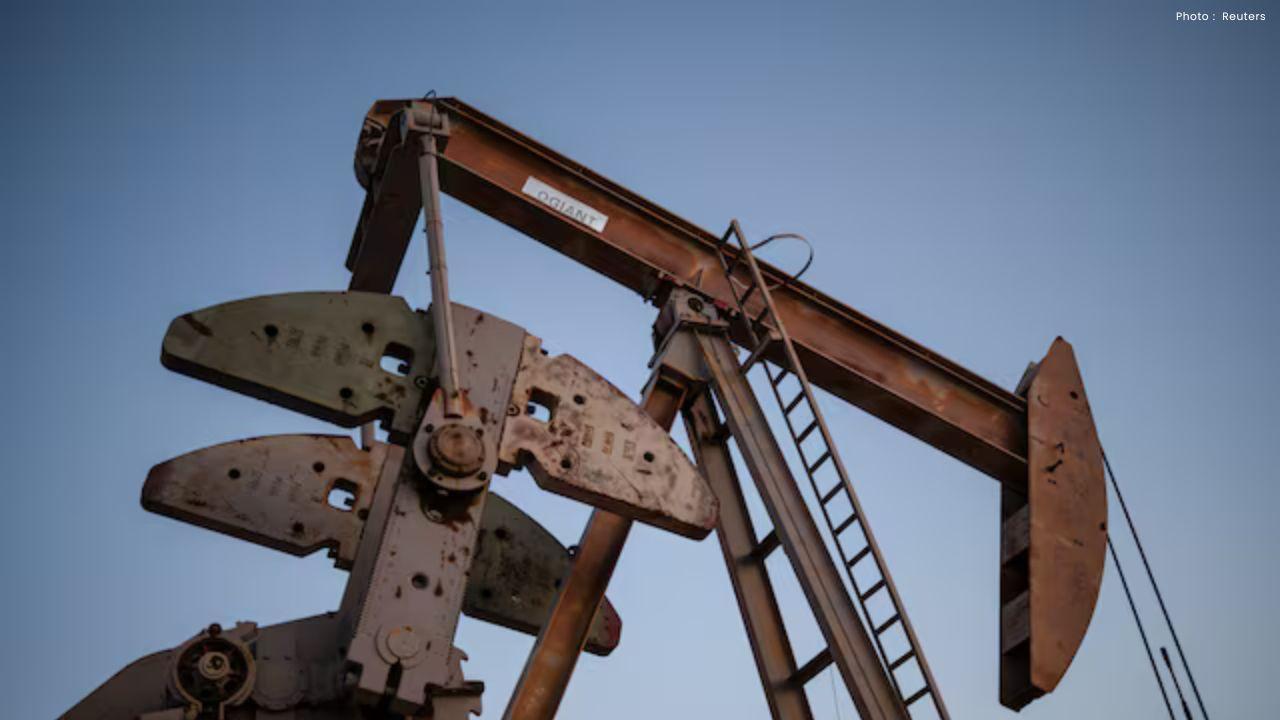
Global oil prices have started rising again as markets react to fresh tensions in the Middle East. The increase comes after Iran denied claims that it is in talks with the United States, raising new fears about oil supply disruptions.
Recent reports show that oil prices moved higher after a sharp drop just a day earlier. Brent crude rose to around $102 per barrel, while U.S. oil prices also increased. This change reflects how quickly markets react to political and military developments in the region.
The main reason for this rise is uncertainty. Earlier, there were signs that the United States and Iran might be moving toward talks to reduce tensions. This created hope in the market and caused oil prices to fall. However, Iran later denied these claims, calling them false. This sudden change brought back fears about supply risks.
One of the biggest concerns is the situation around the Strait of Hormuz. This narrow sea route is one of the most important oil transport paths in the world. About one-fifth of global oil supply passes through it. Any disruption in this area can quickly affect global prices.
The ongoing conflict in the region has already caused serious disruptions. Many oil shipments have been delayed or stopped, and attacks on energy infrastructure have increased the risk. Reports suggest that a large amount of oil production has already been affected due to the conflict.
This situation has made the oil market highly unstable. Prices have been moving up and down sharply depending on news about the conflict. At one point earlier this month, oil prices even crossed $119 per barrel before falling again when hopes of talks appeared.
Experts say that if the conflict continues or becomes worse, oil prices could rise even further. Some forecasts suggest that prices may reach $110 or even $150 per barrel if supply routes remain blocked.
The impact of rising oil prices is not limited to the energy sector. It affects the global economy as well. Higher oil prices lead to higher fuel costs, which increase the price of transportation, goods, and services. This can push inflation higher and slow down economic growth.
Countries around the world are watching the situation closely. Some governments are considering steps to control fuel prices or release oil from reserves to reduce pressure on markets. However, such measures can only provide temporary relief if the conflict continues.
The situation also highlights how connected the global economy is. A conflict in one region can quickly affect prices and supply chains across the world. For countries that depend heavily on imported oil, the impact can be even more serious.
Another important issue is market confidence. When there is uncertainty about supply, traders and investors react quickly, which leads to price swings. This makes it harder for businesses and governments to plan for the future.
The current rise in oil prices shows how sensitive the market is to political developments. Even statements about talks or conflict can cause large changes in prices within a short time.
As tensions remain high, the focus will be on whether the situation improves or worsens. Any sign of real negotiations could calm markets, while further attacks or disruptions could push prices even higher.
For now, the oil market remains under pressure, and the world continues to watch the Middle East closely, knowing that its stability is closely linked to global energy security.
#trending #latest #armustnews #OilPrices #EnergyCrisis #MiddleEastTensions #GlobalEconomy #IranUS #StraitOfHormuz #BreakingNews #WorldNews #Inflation


Advances in Aerospace Technology and Commercial Aviation Recovery
Insights into breakthrough aerospace technologies and commercial aviation’s recovery amid 2025 chall

Defense Modernization and Strategic Spending Trends
Explore key trends in global defense modernization and strategic military spending shaping 2025 secu

Tens of Thousands Protest in Serbia on Anniversary of Deadly Roof Collapse
Tens of thousands in Novi Sad mark a year since a deadly station roof collapse that killed 16, prote

Canada PM Carney Apologizes to Trump Over Controversial Reagan Anti-Tariff Ad
Canadian PM Mark Carney apologized to President Trump over an Ontario anti-tariff ad quoting Reagan,

The ad that stirred a hornets nest, and made Canadian PM Carney say sorry to Trump
Canadian PM Mark Carney apologizes to US President Trump after a tariff-related ad causes diplomatic

Bengaluru-Mumbai Superfast Train Approved After 30-Year Wait
Railways approves new superfast train connecting Bengaluru and Mumbai, ending a 30-year demand, easi



