Post by : Saif
Kenya is facing a growing fuel shortage as the ongoing war in the Middle East disrupts global oil supply. The situation is creating concern among businesses, transport workers, and ordinary citizens who depend on fuel for daily life.
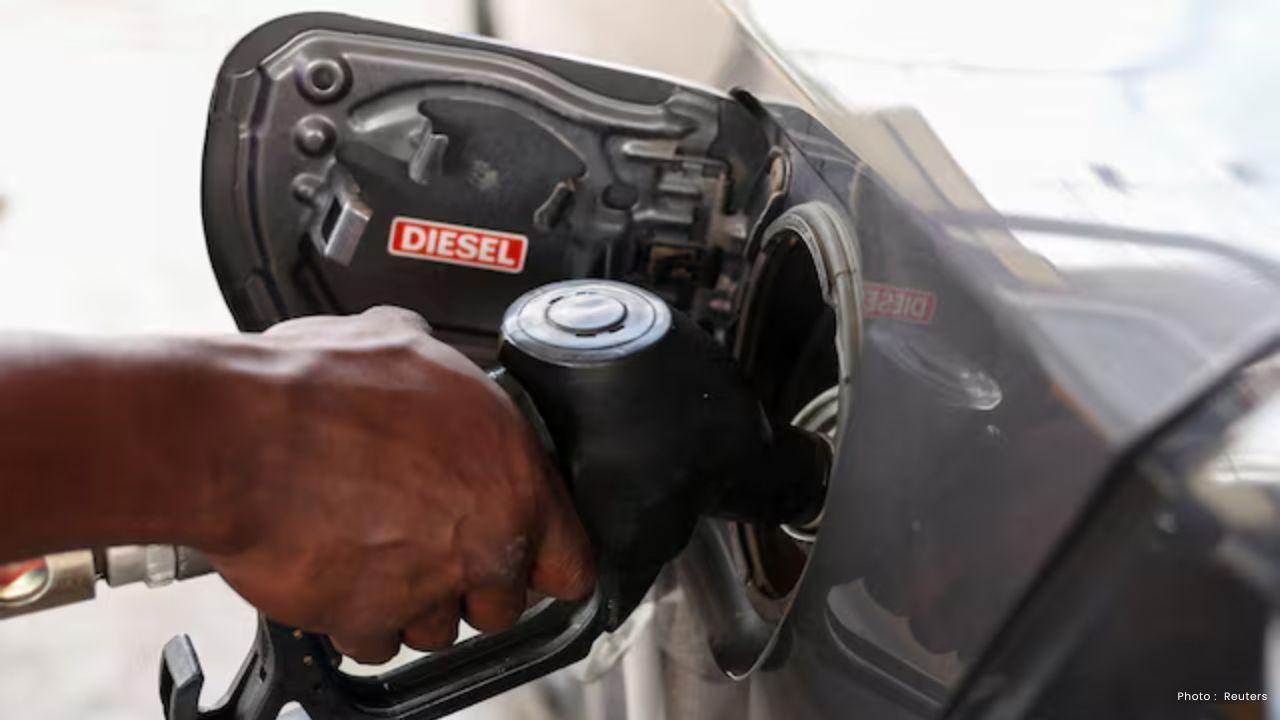
Recent reports show that many fuel stations across the country are running low on petrol and diesel. Around 20% of Kenya’s fuel outlets are already facing shortages, and industry leaders warn that the situation could become much worse in the coming days.
The main reason behind this crisis is Kenya’s heavy dependence on imported fuel. The country imports nearly all its petroleum products, mainly from the Middle East. When conflict affects oil production or shipping routes in that region, countries like Kenya feel the impact very quickly.
One of the most important routes for oil supply is the Strait of Hormuz. This narrow waterway handles a large share of global oil transport. Due to the conflict involving Iran, shipments through this route have been disrupted, reducing the flow of fuel to many parts of the world.
As a result, deliveries to Kenya have slowed down. Fuel suppliers are struggling to maintain normal stock levels, and some have started rationing fuel. In rural areas, some stations have already run out of fuel completely, forcing people to travel long distances just to find petrol.
Another factor making the situation worse is government price control. Authorities have kept local fuel prices stable despite rising global oil costs. While this helps consumers in the short term, it has also created a problem. Some dealers are holding back supplies, expecting prices to rise in the future, which leads to hoarding and shortages.
Fuel shortages can have serious effects on the economy. Transport costs increase when fuel is not easily available. This affects the price of goods, as businesses spend more on moving products from one place to another. In turn, everyday items like food and basic supplies can become more expensive.
The crisis also affects public services. Ambulances, buses, and delivery vehicles all depend on fuel. When supply becomes uncertain, it can slow down important services and create difficulties for people who rely on them.
Experts warn that if the situation continues, Kenya could face a full fuel crisis within weeks. This could lead to long queues at petrol stations, rationing, and even disruptions in essential services.
At the same time, government officials say that national fuel stocks are still available and that there is no immediate need for panic. They are monitoring the situation and looking for ways to manage supply and demand.
Some industry groups are calling for new solutions. They suggest allowing fuel imports from private suppliers instead of relying only on government agreements. This could help increase supply and reduce pressure on the system.
The problem in Kenya is part of a larger global issue. The Middle East conflict has caused one of the biggest disruptions in oil supply in recent years. Countries around the world are seeing rising prices and supply shortages, showing how connected global energy systems are.
For Kenya, the situation is especially serious because of its reliance on imports and limited local refining capacity. Without strong local production, the country depends on stable global supply chains.
The coming days will be important in deciding how the situation develops. If supply routes improve, the pressure may ease. But if the conflict continues or worsens, shortages could deepen and affect more people.
For now, the fuel shortage serves as a reminder of how global events can quickly affect everyday life, even in countries far from the conflict.
#trending #latest #armustnews #KenyaFuelCrisis #FuelShortage #MiddleEastWar #OilSupply #EnergyCrisis #GlobalEconomy #AfricaNews #BreakingNews #WorldNews



Advances in Aerospace Technology and Commercial Aviation Recovery
Insights into breakthrough aerospace technologies and commercial aviation’s recovery amid 2025 chall

Defense Modernization and Strategic Spending Trends
Explore key trends in global defense modernization and strategic military spending shaping 2025 secu

Tens of Thousands Protest in Serbia on Anniversary of Deadly Roof Collapse
Tens of thousands in Novi Sad mark a year since a deadly station roof collapse that killed 16, prote

Canada PM Carney Apologizes to Trump Over Controversial Reagan Anti-Tariff Ad
Canadian PM Mark Carney apologized to President Trump over an Ontario anti-tariff ad quoting Reagan,

The ad that stirred a hornets nest, and made Canadian PM Carney say sorry to Trump
Canadian PM Mark Carney apologizes to US President Trump after a tariff-related ad causes diplomatic

Bengaluru-Mumbai Superfast Train Approved After 30-Year Wait
Railways approves new superfast train connecting Bengaluru and Mumbai, ending a 30-year demand, easi



