Post by : Avinab Raana
Photo : X / Parisa Hafezi
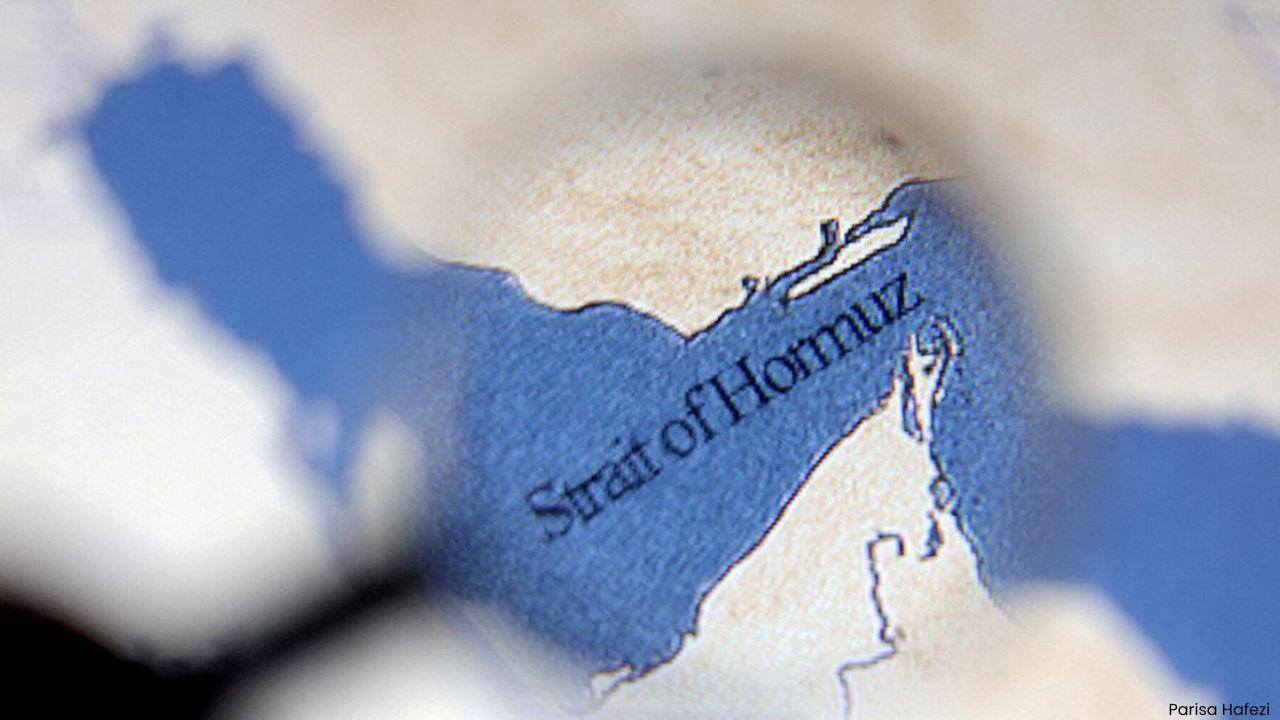
In a dramatic escalation of the Strait of Hormuz crisis, Bahrain has moved to push a United Nations resolution that could authorize the use of force to secure one of the world’s most critical shipping lanes. As global trade teeters under mounting disruptions, this proposal signals a turning point where diplomacy, defence, and maritime logistics are colliding in real time, raising the stakes for global energy security like never before.
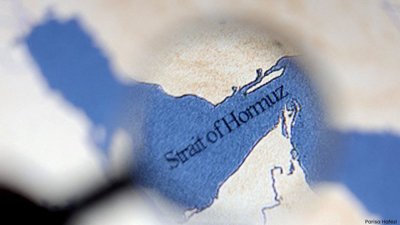
At the heart of Bahrain’s move is a draft resolution submitted to the UN Security Council that calls for countries to be allowed to use “all necessary means” to ensure safe passage for commercial vessels through and around the Strait of Hormuz. This language, commonly understood in international diplomacy as a pathway to military action, reflects the urgency of the situation, where repeated attacks and threats to merchant shipping have pushed the region to the brink of a full-scale maritime security intervention. The proposal also demands an immediate halt to any actions that disrupt navigation, placing the responsibility squarely on restoring free and secure movement through the corridor.
The Strait of Hormuz is not just another maritime route, it is a lifeline for global energy trade, carrying nearly a fifth of the world’s oil supply and significant volumes of liquefied natural gas. The ongoing conflict has already reduced shipping activity to near-zero levels, leaving vessels stranded and forcing global supply chains into disarray. This disruption has triggered volatility in energy markets, exposed vulnerabilities in global logistics systems, and intensified the urgency for coordinated international action to restore normalcy.
While Bahrain’s proposal has received backing from Gulf nations and key allies, its path forward remains uncertain due to geopolitical divisions within the UN Security Council. Major powers such as Russia and China are expected to oppose or veto any resolution that explicitly authorizes the use of force, highlighting the deep fractures in global consensus on how to address the crisis. This divide underscores a broader dilemma: whether to prioritise immediate security through military means or pursue de-escalation through diplomacy, even as shipping disruptions continue to escalate.
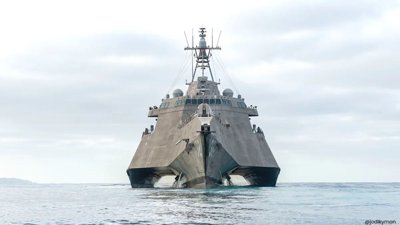
If approved, the resolution could pave the way for multinational naval coalitions to actively patrol and secure the Strait, marking a significant escalation in military involvement in the region. Such a move would transform the strait from a contested trade route into a heavily militarised zone, where commercial shipping operates under armed protection. While this could restore confidence in maritime transit, it also raises the risk of direct confrontation, further complicating an already volatile geopolitical landscape.
Bahrain’s push for UN-backed force in the Strait of Hormuz is more than a diplomatic initiative, it is a reflection of how critical global supply chains have become in shaping international policy decisions. As the world watches closely, the outcome of this proposal could determine not just the future of shipping through Hormuz, but the broader balance between security and stability in global trade. In a crisis where every tanker movement matters, the line between protection and escalation has never been thinner.
Strait of Hormuz crisis, UN force resolution Bahrain, global shipping security, oil trade disruption Hormuz, maritime conflict 2026, naval coalition shipping protection, energy supply crisis


Advances in Aerospace Technology and Commercial Aviation Recovery
Insights into breakthrough aerospace technologies and commercial aviation’s recovery amid 2025 chall

Defense Modernization and Strategic Spending Trends
Explore key trends in global defense modernization and strategic military spending shaping 2025 secu

Tens of Thousands Protest in Serbia on Anniversary of Deadly Roof Collapse
Tens of thousands in Novi Sad mark a year since a deadly station roof collapse that killed 16, prote

Canada PM Carney Apologizes to Trump Over Controversial Reagan Anti-Tariff Ad
Canadian PM Mark Carney apologized to President Trump over an Ontario anti-tariff ad quoting Reagan,

The ad that stirred a hornets nest, and made Canadian PM Carney say sorry to Trump
Canadian PM Mark Carney apologizes to US President Trump after a tariff-related ad causes diplomatic

Bengaluru-Mumbai Superfast Train Approved After 30-Year Wait
Railways approves new superfast train connecting Bengaluru and Mumbai, ending a 30-year demand, easi



