Post by : Saif
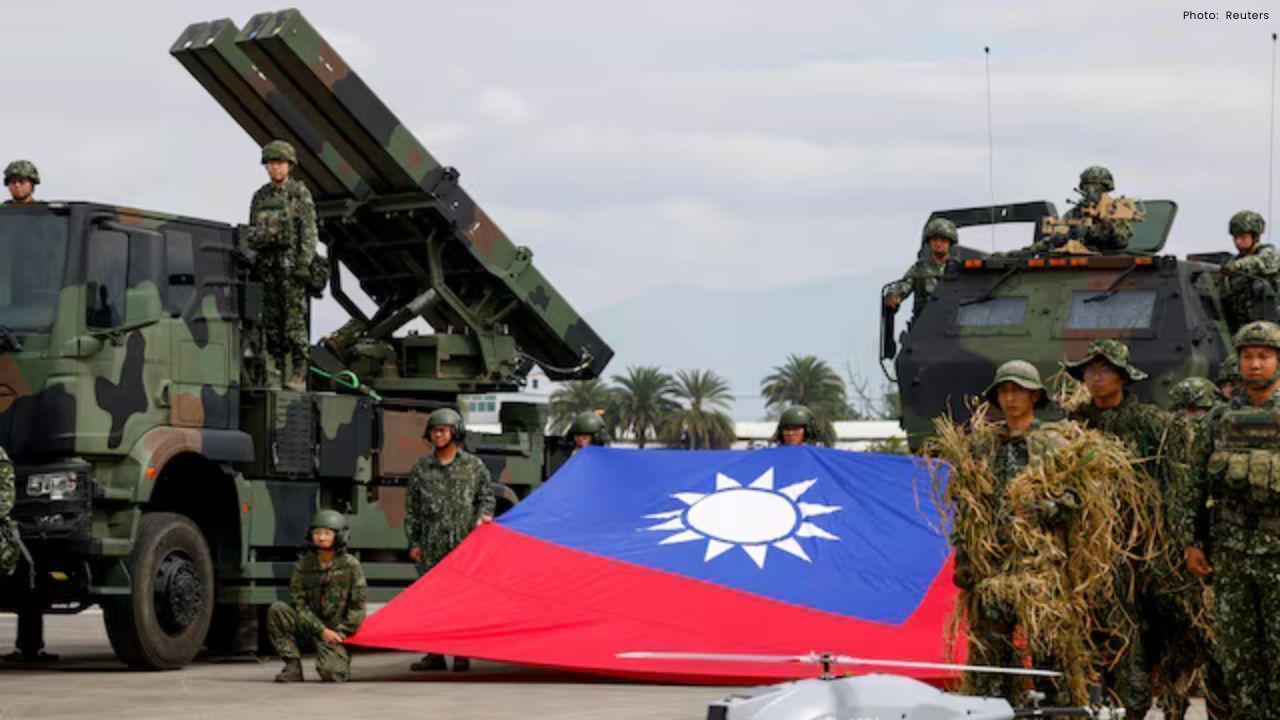
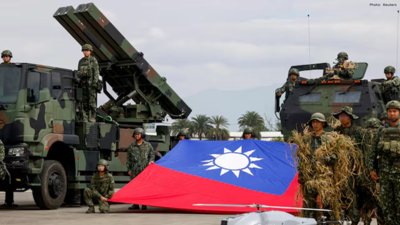
Taiwan’s parliament is set to discuss a special defence budget next week after months of delay caused by political disagreement. The proposal, worth about 40 billion dollars, is aimed at strengthening the island’s military at a time of rising tension in the region.
The defence budget was introduced to improve Taiwan’s security and modernize its armed forces. The government says the funds are needed to buy advanced weapons, upgrade equipment, and improve military readiness. Leaders believe these steps are important because of growing pressure from China, which claims Taiwan as its territory and has increased military activities near the island.
However, the budget has faced strong resistance inside parliament. Opposition parties, which hold a majority of seats, have questioned the size of the spending plan. They argue that such a large amount of money requires careful review and clear details about how it will be used. Some lawmakers have proposed smaller defence packages instead of approving the full plan.
Because of this political deadlock, the budget has remained stalled for months. The delay has raised concerns both at home and abroad. Supporters of the defence plan warn that postponing the decision could weaken Taiwan’s security and delay important military purchases. Some defence deals with foreign suppliers may depend on timely approval of funding.
The United States, Taiwan’s main security partner, has also expressed concern about the delay. American lawmakers have encouraged Taiwan to move forward with strengthening its defence capabilities. The U.S. views a strong Taiwan as important for stability in the region.
The debate over the defence budget reflects deeper political divisions within Taiwan. While many citizens support improving national security, they also expect transparency and responsible use of public money. Lawmakers are under pressure to balance these concerns.
Taiwan has been increasing its defence efforts in recent years. The government believes that a stronger military can act as a deterrent and reduce the risk of conflict. Officials argue that investing in defence is not about provoking tension but about protecting democracy and ensuring peace.
Opposition leaders say they are not against defence spending in general. Instead, they want clearer explanations about the costs and long-term financial impact. They believe that national security decisions should have broad political support to avoid division.
The upcoming debate is expected to be intense. Both sides understand that the outcome will shape Taiwan’s security policy for years to come. A decision to approve the full budget would send a strong message about Taiwan’s commitment to strengthening its military. On the other hand, further delays could signal continued political challenges.
At its core, the issue is about how Taiwan responds to regional uncertainty. The island faces complex security challenges, but it also values democratic debate and careful decision-making. The parliament’s discussion next week will test how these priorities are balanced.
The world will be watching closely as Taiwan’s lawmakers consider the future of the defence plan. Their decision will not only affect the island’s military readiness but also influence regional stability in East Asia.
#trending #latest #Taiwan #DefenceBudget #MilitarySpending #AsiaPacific #SecurityPolicy #ChinaTensions #ParliamentNews #RegionalStability #armustnews


Advances in Aerospace Technology and Commercial Aviation Recovery
Insights into breakthrough aerospace technologies and commercial aviation’s recovery amid 2025 chall

Defense Modernization and Strategic Spending Trends
Explore key trends in global defense modernization and strategic military spending shaping 2025 secu

Tens of Thousands Protest in Serbia on Anniversary of Deadly Roof Collapse
Tens of thousands in Novi Sad mark a year since a deadly station roof collapse that killed 16, prote

Canada PM Carney Apologizes to Trump Over Controversial Reagan Anti-Tariff Ad
Canadian PM Mark Carney apologized to President Trump over an Ontario anti-tariff ad quoting Reagan,

The ad that stirred a hornets nest, and made Canadian PM Carney say sorry to Trump
Canadian PM Mark Carney apologizes to US President Trump after a tariff-related ad causes diplomatic

Bengaluru-Mumbai Superfast Train Approved After 30-Year Wait
Railways approves new superfast train connecting Bengaluru and Mumbai, ending a 30-year demand, easi



