Post by : Avinab Raana
Photo : X / WorldCargo News
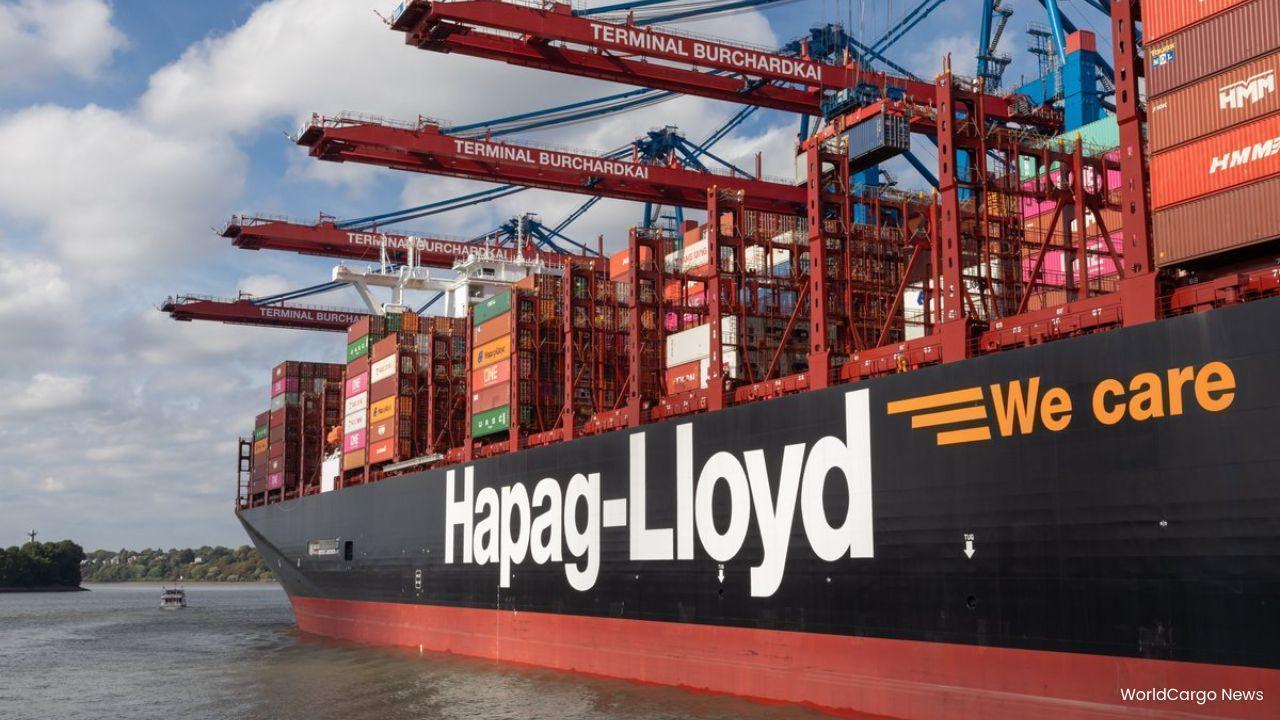
A worrying trend has emerged across global maritime logistics as overall container punctuality decline deepens in 2026, with a significant portion of scheduled sailings failing to meet published departure and arrival windows. Supply chain operators and shippers are grappling with extended transit times, unpredictable port rotations, and congestion that have undermined reliability just as global trade flows are stabilising post-pandemic. The slump in schedule adherence has prompted scrutiny from carriers, ports and freight stakeholders alike.
Amid the broader downturn in on-time performance, Gemini, a leading container line has distinguished itself by maintaining comparatively high punctuality levels. While the industry average has trended lower, Gemini’s targeted operational strategies and network optimisation have enabled it to uphold service reliability and manage vessels efficiently across key global trades. This contrast highlights how variance in carrier performance is becoming increasingly pronounced within the port cargo handling landscape.
Multiple factors have contributed to the erosion of container punctuality in 2026. Persistent congestion at major transshipment hubs, labour shortages in port terminals, and cascading operational disruptions have all played a role. In some regions, infrastructure bottlenecks have compounded the issue, hindering swift berth access and cargo discharge cycles. Additionally, weather events and security constraints have intermittently added to delays, creating a multifaceted challenge for carriers and terminals striving to maintain timetables.
For cargo owners and logistics planners, the container punctuality decline has translated into less predictable lead times and planning challenges. Retailers, manufacturers and distributors are increasingly adjusting inventory buffers, opting for alternative routings or paying premiums for expedited services to hedge against variability. The ripple effect touches inland logistics networks as well, with trucking and rail operators adjusting schedules to accommodate delayed vessel arrivals that alter downstream loading windows.
In contrast, Gemini’s relative success in maintaining schedule adherence has drawn industry attention. The carrier’s use of robust voyage planning analytics, proactive berth coordination and enhanced communication with terminal partners has helped it reduce turnaround times and preserve key port windows. Shippers looking for reliability are reportedly taking note, and some are reconsidering service allocations based on on-time performance metrics that have gained prominence as contracting criteria.
Port operators are under mounting pressure to support improved port cargo handling standards as carriers and shippers alike seek greater predictability. Investments in yard automation, congestion management systems, and extended operating hours are being discussed as potential mitigants to reliability issues. Collaborative efforts between carriers and terminals may be critical in lifting schedule performance toward more dependable levels.
As container punctuality continues to shape commercial decisions across the supply chain, carriers with strong operational discipline like Gemini may find strategic advantage in reliability differentiation. Improved port cargo handlingpractices, digital collaboration tools, and resilient network planning are likely to be key focal points for reversing the broader decline in schedule reliability. In an era of intensifying global trade, maintaining dependable sailings is increasingly seen as a core competitive criterion.
container punctuality decline, Gemini shipping performance, port cargo handling standards







Advances in Aerospace Technology and Commercial Aviation Recovery
Insights into breakthrough aerospace technologies and commercial aviation’s recovery amid 2025 chall

Defense Modernization and Strategic Spending Trends
Explore key trends in global defense modernization and strategic military spending shaping 2025 secu

Tens of Thousands Protest in Serbia on Anniversary of Deadly Roof Collapse
Tens of thousands in Novi Sad mark a year since a deadly station roof collapse that killed 16, prote

Canada PM Carney Apologizes to Trump Over Controversial Reagan Anti-Tariff Ad
Canadian PM Mark Carney apologized to President Trump over an Ontario anti-tariff ad quoting Reagan,

The ad that stirred a hornets nest, and made Canadian PM Carney say sorry to Trump
Canadian PM Mark Carney apologizes to US President Trump after a tariff-related ad causes diplomatic

Bengaluru-Mumbai Superfast Train Approved After 30-Year Wait
Railways approves new superfast train connecting Bengaluru and Mumbai, ending a 30-year demand, easi



