Post by : Saif
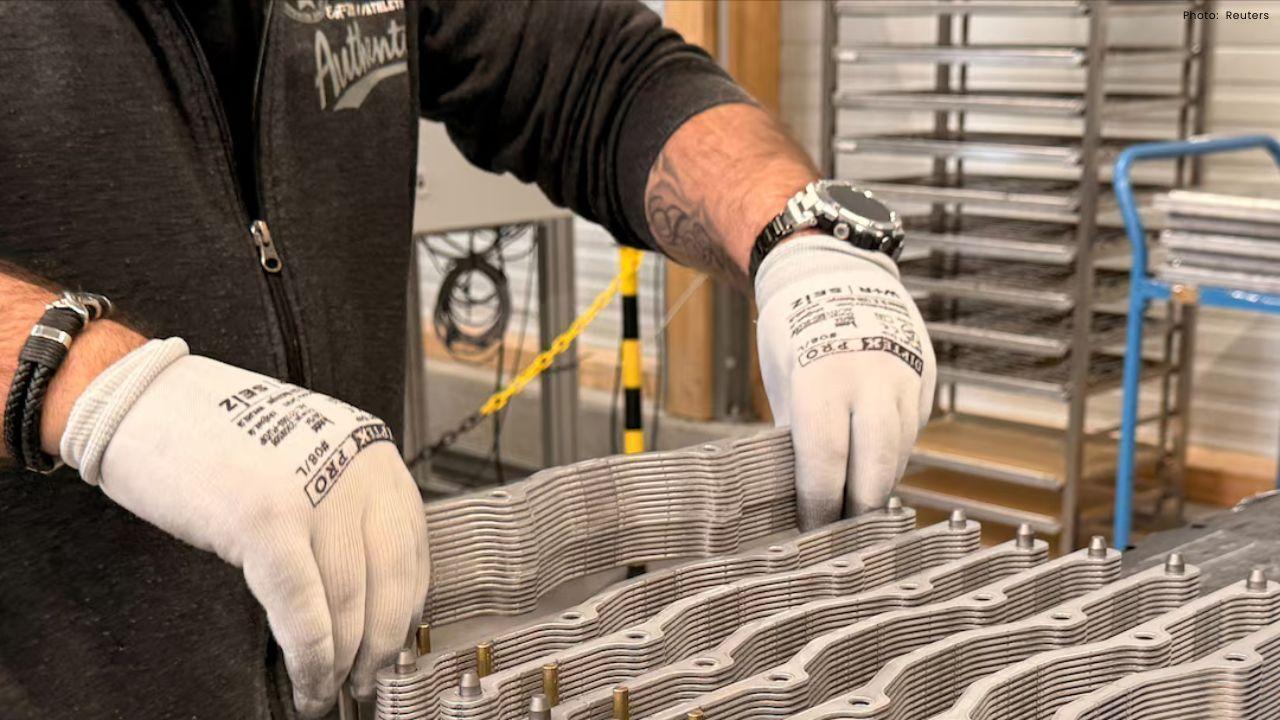
Once a proud symbol of German industrial strength, the country’s traditional auto heartland is now facing a period of deep challenge. Long known for making quality cars and engines, this region is struggling as global demand shifts, technology changes and economic pressures grow.
For decades, Germany’s automobile industry was a key source of jobs and economic stability. Many towns and cities were built around factories that produced cars, parts and engines, supplying both domestic and export markets. Workers in these areas enjoyed relatively high wages and stable work, and the auto industry helped make Germany one of the world’s leading industrial nations.
However, the situation is changing. Major carmakers are now investing heavily in electric vehicles, but progress has been slower than expected in Germany. While electric cars are becoming more common around the world, demand in Germany’s traditional markets has lagged. Many global competitors, especially in Asia, are moving faster in electric and hybrid technology.
At the same time, Germany’s auto heartland is feeling pressure from rising production costs. Energy prices, labour costs and supply chain disruptions have all made it harder for local factories to compete with lower-cost producers abroad. Some companies have delayed investment in new technology, leaving them at a disadvantage in a fast-changing market.
Another key issue has been the shift in consumer preferences. Buyers are showing more interest in electric and hybrid cars, but Germany’s major producers have been slower to adapt compared to some foreign competitors. This has led to a drop in sales of traditional petrol and diesel vehicles, which were once the backbone of the country’s auto industry.
As a result, some factories in central auto regions have seen lower output and job losses. Parts suppliers and smaller businesses that relied on large carmakers are also feeling the impact. Local communities that once thrived on auto production are now facing uncertainty about their future.
Younger workers in these regions are especially affected. Many had hoped for stable careers in factories like their parents and grandparents before them. With changing technology and fewer job openings, some are considering new careers, moving to other regions or seeking retraining. This shift places pressure on families and local economies that have been built around the auto industry for generations.
Local political leaders and community groups are urging the national government and carmakers to act quickly to support the region. They are calling for investment in new technologies, support for small businesses, and training programs to help workers adapt to new kinds of jobs.
There are signs that change is underway. Some companies have begun investing in electric vehicle production, battery technology, and digital manufacturing. These investments could help create new jobs and keep the region competitive in the future. However, progress remains uneven, and many workers are still waiting for clearer signs of economic renewal.
Economists say that Germany’s auto heartland is not alone in facing these pressures. Many industrial regions around the world are adjusting to a future that demands cleaner technology and more flexible production methods. But because auto manufacturing has been such a central part of Germany’s identity and economy, the impact feels especially severe.
International competition is also fierce. Countries like China and South Korea have developed strong electric vehicle industries, often with government support. This makes it harder for German automakers to keep market share, especially in fast-growing markets abroad.
The transformation of the auto industry also highlights broader questions about how economies adapt to technological change. Industries that once dominated national growth must now find ways to innovate or risk decline. For workers, this can mean retraining and adjusting to new roles, which is not always easy or fast.
Despite the challenges, there is cautious optimism among some business leaders. They believe that with the right support, innovation and cooperation between government and industry, Germany’s auto heartland can reinvent itself. New technologies, including electric vehicles, autonomous driving systems and digital manufacturing, could become the foundation for future growth.
For now, the region remains in a period of transition. Workers, families, businesses and local leaders are all grappling with uncertainty and change. The success of efforts to modernize and compete in the global market will play a large role in determining the region’s future.
Germany’s auto heartland stands at a crossroads. Its history of industrial success provides a strong foundation, but the path ahead will require adaptation, investment and bold thinking. How quickly and well this transition is managed may shape not only the local economy, but also the future of Germany’s role in the global auto industry.
#trending #latest #Germany #AutomotiveIndustry #ElectricVehicles #IndustrialChange #EconomicShift #Jobs #Innovation #GlobalCompetition #armustnews




Advances in Aerospace Technology and Commercial Aviation Recovery
Insights into breakthrough aerospace technologies and commercial aviation’s recovery amid 2025 chall

Defense Modernization and Strategic Spending Trends
Explore key trends in global defense modernization and strategic military spending shaping 2025 secu

Tens of Thousands Protest in Serbia on Anniversary of Deadly Roof Collapse
Tens of thousands in Novi Sad mark a year since a deadly station roof collapse that killed 16, prote

Canada PM Carney Apologizes to Trump Over Controversial Reagan Anti-Tariff Ad
Canadian PM Mark Carney apologized to President Trump over an Ontario anti-tariff ad quoting Reagan,

The ad that stirred a hornets nest, and made Canadian PM Carney say sorry to Trump
Canadian PM Mark Carney apologizes to US President Trump after a tariff-related ad causes diplomatic

Bengaluru-Mumbai Superfast Train Approved After 30-Year Wait
Railways approves new superfast train connecting Bengaluru and Mumbai, ending a 30-year demand, easi



