Post by : Saif
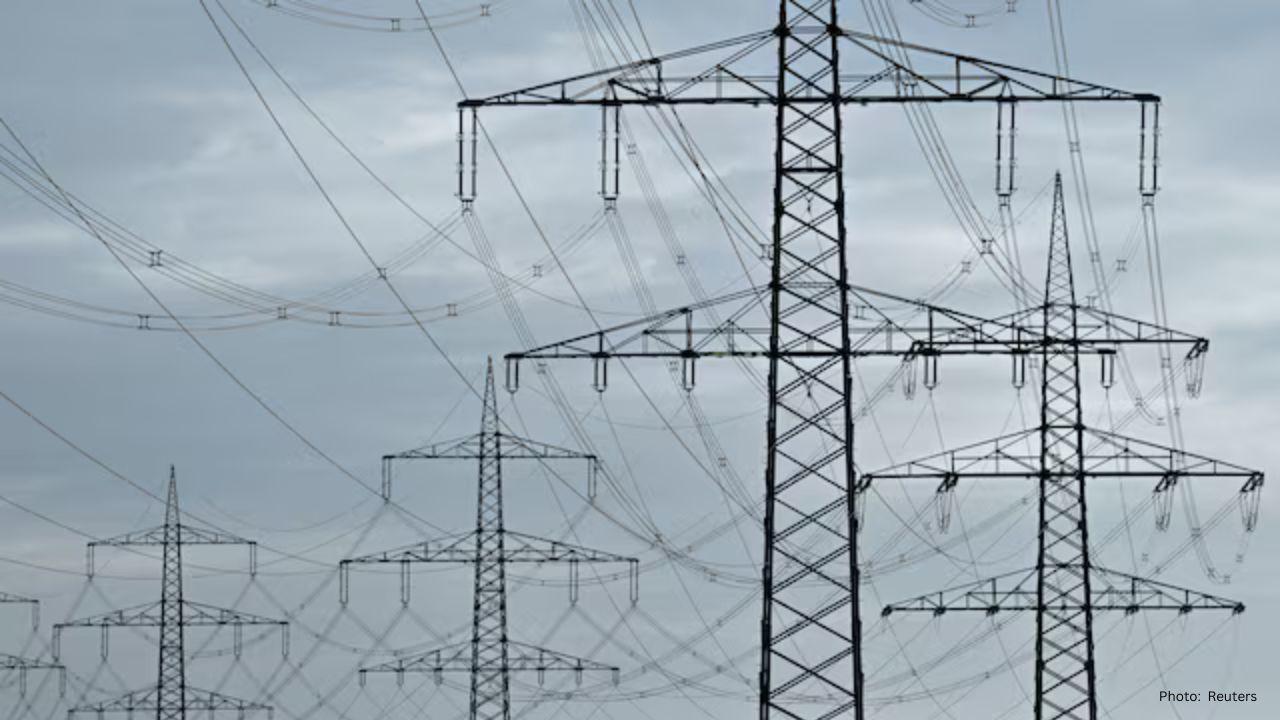
The German government is considering taking a much larger role in the country’s electricity grid by exploring the option of acquiring a majority stake in the German arm of TenneT, one of Europe’s most important power transmission companies. This move marks a significant shift in Berlin’s approach to securing critical energy infrastructure and comes at a time when the country is trying to strengthen its control over key sectors linked to national security. According to information first reported by Boersen-Zeitung, early discussions have already started within the government, indicating that officials are examining several possibilities that would give Germany stronger influence over how the grid is managed and expanded.
Germany had previously agreed in principle to buy a 25.1 percent stake in TenneT’s operations, which are currently owned by the Dutch government. That minority share was seen as a strategic step, giving Berlin enough voting rights to block major decisions that might affect its national energy strategy. But new reports show that the government is now thinking about going further than this initial plan. The idea of taking majority ownership shows that Germany wants more say in how the grid is developed at a time when the country is working on a complicated and ambitious shift toward renewable energy. By moving beyond the earlier minority agreement, Berlin could gain direct influence over long-term investments, network upgrades, and the way power is transmitted across the country.
People familiar with the discussions told Boersen-Zeitung that the government is studying a range of financial and structural options. One possibility involves forming a consortium with major international investment firms that specialize in infrastructure. Names being considered include Apollo Global Management, Blackstone, and Brookfield, which are some of the world’s most influential players in large-scale energy and utility projects. These companies would help share the financial burden of buying a bigger stake while still allowing the government to take a lead role in directing the future of the grid. None of these firms have publicly commented on the discussions, and the German economy ministry has also declined to respond so far. However, the fact that such large investors are being considered shows the scale and seriousness of the possible transaction.
Germany’s stronger interest in TenneT reflects a broader national strategy focused on energy security, climate goals, and geopolitical stability. The country has committed itself to a major transformation of its energy system, commonly known as the energy transition, which aims to replace fossil fuels like coal and gas with renewable sources such as wind and solar power. For this transformation to work smoothly, Germany needs a modern and efficient electricity grid capable of transporting clean energy from production sites to homes, industries, and cities across the country. Much of the new renewable power is generated in the north through offshore wind farms, while many factories and population centers are located in the south. This makes the expansion of long-distance power lines absolutely essential.
A larger government role in TenneT would give Berlin more direct control in deciding how quickly and where these power lines are built. It would also ensure that investments are aligned with national climate targets rather than purely commercial interests. Recent years have shown that energy networks are not only economic assets but also key parts of national security. Events in Europe, including concerns about foreign ownership of strategic infrastructure, have made governments more cautious about who controls electricity networks, gas pipelines, and communication systems. By taking a bigger stake in TenneT, Germany wants to reduce the risks that come with relying too heavily on outside actors.
A government document reviewed by Reuters last month indicated that the first stage of the deal, which would give Germany the initial 25.1 percent share, is already close to being completed. This share would offer blocking rights, meaning Berlin can stop decisions that could threaten energy security or conflict with national goals. But officials increasingly believe that a majority stake would give the government a more stable and long-term position, allowing it to guide expansion projects without being restricted by private shareholders’ concerns or financial limitations.
Germany’s renewable energy plans require massive levels of investment. Offshore wind projects, new high-voltage transmission routes, and upgrades to older sections of the grid demand billions of euros. Private companies often move cautiously with such high-cost projects, especially when returns may take many years to materialize. A stronger government presence could push projects forward faster, ensuring that the energy transition stays on schedule. By taking majority ownership, Berlin could accelerate the construction of new grid lines, reduce bottlenecks, and prevent delays that might slow down the shift to renewable power.
For the Netherlands, which currently owns TenneT, any major sale would require careful coordination with Germany. The two countries are closely connected through energy trade, shared electricity flows, and joint policy goals. A shift in ownership could influence cross-border cooperation, especially in areas like offshore wind, where both nations rely on interconnected grids. The talks between the two governments will play a crucial role in determining how the deal moves forward and how responsibilities are shared once control changes hands.
The potential majority purchase would also reflect a wider trend across Europe. Many governments are rethinking how much critical infrastructure should be controlled by private markets and how much should remain under national authority. Rising global tensions, supply chain challenges, and concerns about cyber security have pushed European countries to take a more active role in sectors considered vital for economic stability and public safety. Electricity grids, in particular, have become a central focus as countries race to adopt cleaner energy while trying to keep their systems resilient.
If Germany proceeds with a majority takeover of TenneT’s operations, it would represent one of the most significant energy decisions taken by Berlin in recent years. It would signal a deeper commitment to securing long-term control of essential infrastructure and ensuring that the country’s renewable energy expansion is supported by a reliable and modern grid. The move would also demonstrate a growing recognition that energy policy, economic planning, and national security are now more closely linked than ever before. The coming months will reveal whether the early discussions turn into a formal proposal, but for now, the possibility of Germany taking a controlling stake in TenneT has already sparked discussions across Europe about the future of energy governance and the role governments should play in shaping it.
#trending #latest #EnergySecurity #GermanyNews #TenneT #PowerGrid #RenewableEnergy #BerlinPolicy #InfrastructureInvestment #EuropeanEnergy #CleanEnergyTransition #GovernmentStake









Advances in Aerospace Technology and Commercial Aviation Recovery
Insights into breakthrough aerospace technologies and commercial aviation’s recovery amid 2025 chall

Defense Modernization and Strategic Spending Trends
Explore key trends in global defense modernization and strategic military spending shaping 2025 secu

Tens of Thousands Protest in Serbia on Anniversary of Deadly Roof Collapse
Tens of thousands in Novi Sad mark a year since a deadly station roof collapse that killed 16, prote

Canada PM Carney Apologizes to Trump Over Controversial Reagan Anti-Tariff Ad
Canadian PM Mark Carney apologized to President Trump over an Ontario anti-tariff ad quoting Reagan,

The ad that stirred a hornets nest, and made Canadian PM Carney say sorry to Trump
Canadian PM Mark Carney apologizes to US President Trump after a tariff-related ad causes diplomatic

Bengaluru-Mumbai Superfast Train Approved After 30-Year Wait
Railways approves new superfast train connecting Bengaluru and Mumbai, ending a 30-year demand, easi



