Post by : Amit
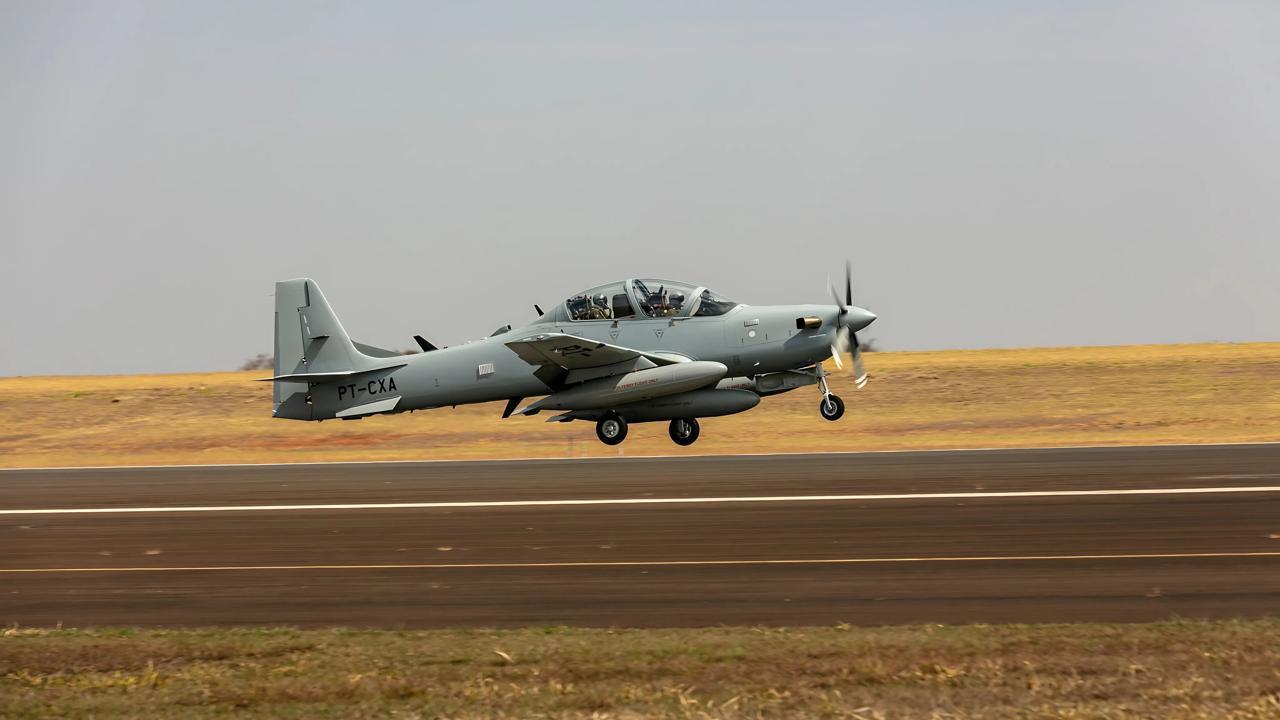
Photo : X / José Correia Guedes
A Historic Step in Portugal’s Defense
Portugal has taken a historic step in modernizing its air force with the departure of its first Embraer A-29N Super Tucano aircraft from Brazil. This fleet, destined for NATO-specific upgrades, represents the culmination of a years-long effort to enhance Portugal’s defense capabilities while strengthening its role within the alliance. For Portugal, the acquisition and deployment of these aircraft are not only about expanding operational capacity but also about signaling commitment to collective security and readiness.
The A-29N Super Tucano, known for its versatility and robust design, is particularly well-suited for close air support, advanced pilot training, and intelligence, surveillance, and reconnaissance (ISR) missions. The NATO upgrades, to be carried out at Portugal’s OGMA maintenance, repair, and overhaul (MRO) facility, will ensure the aircraft can operate seamlessly within allied frameworks. This development marks a key milestone in Portugal's defense modernization program and underscores the strategic importance of aviation capabilities in contemporary military operations.
Portugal Becomes First European A-29N Customer
In December 2024, Portugal became the first European customer to order the NATO-optimized A-29N Super Tucano. The deal, valued at approximately €200 million, secured 12 aircraft for the Portuguese Air Force under the Close Support Aircraft program, one of eight major defense projects prioritized under the country’s Military Programming Law.
This purchase is part of a broader modernization strategy aimed at retiring older aircraft while equipping the air force with versatile, mission-ready platforms. Portugal’s selection of the A-29N underscores the strategic appeal of light attack turboprops in modern military operations. These aircraft provide cost-effective, adaptable solutions for nations looking to maintain operational effectiveness while adhering to alliance standards. The deal also demonstrates Portugal’s commitment to strengthening interoperability with NATO forces, a priority for European members in the current global security climate.
The A-29N Super Tucano: Capabilities and Mission Flexibility
The Embraer A-29N Super Tucano is a turboprop aircraft designed to operate in a variety of tactical scenarios. Its primary roles include close air support, counterinsurgency, pilot training, and ISR missions. This combination of roles makes it highly adaptable, suitable for both domestic defense and multinational operations within NATO frameworks.
Equipped with advanced avionics and NATO-compatible communication systems, the A-29N allows for precise navigation, targeting, and real-time coordination with allied forces. Its rugged airframe and efficient turboprop engine enable operations from austere airstrips and in challenging environmental conditions. For Portugal, this capability is essential for ensuring operational reach across both European theaters and Portugal’s overseas territories, where infrastructure may be limited.
The aircraft’s versatility is further enhanced by modular payload options, which allow the installation of guided weapons, surveillance equipment, or training-specific systems. This adaptability ensures that the Super Tucano can respond to evolving operational needs, from border security and humanitarian support missions to direct engagement in coalition operations.
OGMA’s Role: Ensuring NATO Compliance
Upon arrival in Portugal, the A-29N aircraft will undergo final modifications at OGMA, the country’s leading MRO facility with extensive experience in military aircraft maintenance. These upgrades are critical to meeting NATO’s rigorous operational standards, including interoperability with allied systems, secure communications, and mission-specific enhancements.
OGMA’s involvement underscores Portugal’s investment not only in acquiring advanced aircraft but also in building domestic expertise in defense technology. By performing these upgrades locally, Portugal strengthens its self-sufficiency in aircraft maintenance and reduces reliance on foreign facilities, a factor crucial for both security and operational readiness.
The upgrades will also allow the Super Tucano to integrate seamlessly into NATO operations, enabling Portugal to participate more effectively in joint exercises, peacekeeping missions, and rapid response deployments. The collaboration between Embraer and OGMA demonstrates how international partnerships and domestic capabilities can converge to produce a modern, alliance-ready fleet.
Strategic Importance for Portugal and NATO
Portugal’s acquisition of the A-29N Super Tucano has strategic significance beyond fleet modernization. The aircraft enhance Portugal’s capacity to provide close air support, train new pilots, and conduct surveillance operations in alignment with NATO standards.
In a broader geopolitical context, the deployment of these aircraft demonstrates Portugal’s proactive role in European defense initiatives. The NATO-specific upgrades ensure that Portugal’s Super Tucanos can operate in joint missions without interoperability issues, which is vital in coalition operations where seamless communication and coordination are essential.
Moreover, this development signals Portugal’s commitment to maintaining a modern, agile air force capable of responding to emerging threats. By integrating NATO standards into its domestic fleet, Portugal reinforces its position as a reliable alliance partner, contributing to both regional security and the strategic objectives of NATO.
Operational Flexibility and Regional Security
The A-29N’s versatility provides Portugal with unparalleled operational flexibility. Its ability to conduct a wide range of missions—ranging from ISR to training and light attack—ensures that the air force can respond effectively to diverse challenges. This flexibility is particularly valuable in regional security contexts, including maritime surveillance, border protection, and rapid deployment scenarios.
For Portugal’s overseas territories, which often have limited infrastructure and logistical support, the Super Tucano’s capacity to operate from shorter, austere runways enhances situational awareness and rapid response capability. The aircraft’s robust design also ensures reliability in harsh conditions, reinforcing Portugal’s ability to maintain security across its territories and participate in NATO-led missions.
Training and Interoperability Enhancements
A key component of the A-29N program is its role in pilot training. The aircraft provides advanced training capabilities for new pilots, allowing them to operate in complex tactical scenarios while familiarizing themselves with NATO procedures. This training ensures that Portugal’s aircrew can operate effectively alongside allied forces in joint missions.
Interoperability with NATO is also a core focus of the upgrades. Secure communication systems, standardized navigation protocols, and compatible electronic warfare systems ensure that Portugal’s Super Tucanos can operate seamlessly with other NATO assets. This integration is crucial for maintaining operational cohesion during exercises, peacekeeping missions, or potential combat scenarios.
By investing in both aircraft acquisition and comprehensive training, Portugal ensures that its air force can meet the highest standards of alliance readiness, combining technological sophistication with skilled personnel.
Implications for Future Defense Programs
The A-29N acquisition is part of Portugal’s broader effort to modernize its military capabilities under the Military Programming Law. The success of this program could influence future procurement decisions, potentially shaping additional upgrades to Portugal’s air fleet and expanding the nation’s role in European defense.
By demonstrating the ability to operate NATO-ready aircraft, Portugal may also position itself as a contributor to multinational projects and joint defense initiatives. The integration of the Super Tucano into national and alliance operations provides a model for future collaboration, combining domestic industrial expertise with international defense partnerships.
The program’s success may also encourage further investment in domestic maintenance, repair, and upgrade capabilities, supporting Portugal’s long-term strategic goal of maintaining a self-sufficient and technologically advanced defense sector.
Economic and Industrial Significance
The A-29N program also has economic implications for Portugal. OGMA’s involvement in upgrades creates skilled jobs, supports domestic aviation technology, and fosters industrial growth. By performing these complex modifications locally, Portugal enhances its aerospace expertise and strengthens its position in the European defense industry.
Partnerships with Embraer and other international defense companies further underscore the industrial benefits of the program. The collaboration allows technology transfer, workforce training, and the development of new capabilities that could have broader applications in commercial and military aviation sectors.
Regional Security Contributions
Portugal’s acquisition of the A-29N Super Tucano extends its influence in regional security matters. The aircraft enable rapid response to security threats, provide intelligence-gathering capabilities, and offer close air support when needed. Their deployment reinforces Portugal’s ability to contribute to NATO’s collective defense and support regional stability.
The program also serves as a demonstration of Portugal’s commitment to modernizing its military while remaining a reliable partner in European and global security efforts. By maintaining a technologically advanced and NATO-compatible fleet, Portugal strengthens the alliance’s readiness and capacity to respond to evolving security challenges.
Challenges and Considerations
While the A-29N program marks a significant advancement, it is not without challenges. Integrating new aircraft into the fleet requires careful planning, training, and logistical coordination. Ensuring seamless interoperability with NATO forces also demands rigorous testing and operational validation.
Moreover, maintaining the aircraft over the long term will require sustained investment in domestic MRO capabilities, continuous training, and upgrades to avionics and mission systems. Portugal’s success in overcoming these challenges will determine the long-term effectiveness of the Super Tucano fleet and its contribution to national and alliance security.
A Milestone in Portugal’s Defense Strategy
The departure of Portugal’s first A-29N Super Tucano aircraft from Brazil represents a watershed moment in the nation’s defense modernization efforts. These aircraft, undergoing NATO-specific upgrades at OGMA, exemplify Portugal’s commitment to operational excellence, alliance interoperability, and regional security.
As the Super Tucanos enter service, they will provide versatile capabilities for training, close air support, and intelligence operations. Their integration into NATO frameworks ensures that Portugal contributes meaningfully to collective defense, while enhancing its domestic aviation and defense industry.
Ultimately, the A-29N program reflects a broader vision: a modern, agile, and capable air force ready to meet current and future challenges. For Portugal, the Super Tucano acquisition is not just a procurement initiative—it is a strategic investment in national security, regional stability, and alliance readiness, marking a new chapter in the nation’s defense history.
Portugal Super Tucano, Embraer A-29N, NATO aircraft upgrades





Advances in Aerospace Technology and Commercial Aviation Recovery
Insights into breakthrough aerospace technologies and commercial aviation’s recovery amid 2025 chall

Defense Modernization and Strategic Spending Trends
Explore key trends in global defense modernization and strategic military spending shaping 2025 secu

Tens of Thousands Protest in Serbia on Anniversary of Deadly Roof Collapse
Tens of thousands in Novi Sad mark a year since a deadly station roof collapse that killed 16, prote

Canada PM Carney Apologizes to Trump Over Controversial Reagan Anti-Tariff Ad
Canadian PM Mark Carney apologized to President Trump over an Ontario anti-tariff ad quoting Reagan,

The ad that stirred a hornets nest, and made Canadian PM Carney say sorry to Trump
Canadian PM Mark Carney apologizes to US President Trump after a tariff-related ad causes diplomatic

Bengaluru-Mumbai Superfast Train Approved After 30-Year Wait
Railways approves new superfast train connecting Bengaluru and Mumbai, ending a 30-year demand, easi



