Post by : Saif
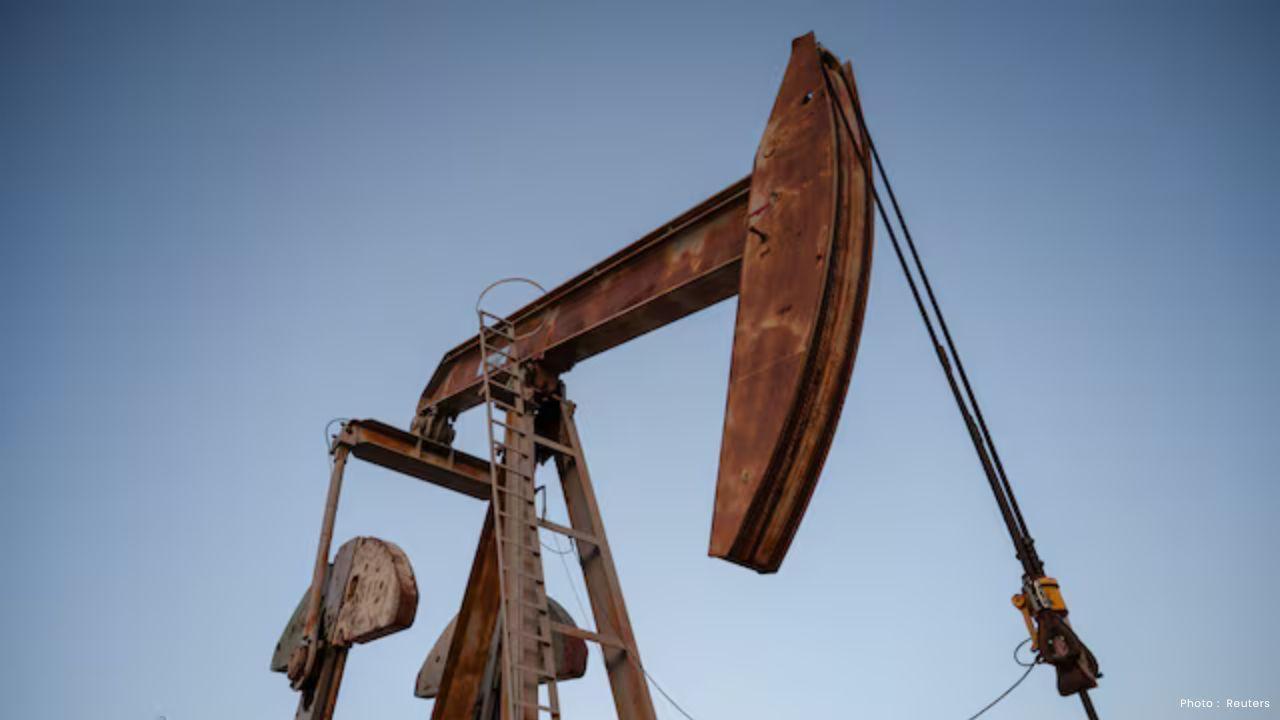
Global oil prices have risen sharply after Iran launched attacks on major energy facilities across the Middle East. The sudden escalation has increased fears about supply shortages and pushed energy markets into a state of uncertainty.
According to recent reports, oil prices climbed by around 3% following the strikes. At one point, Brent crude crossed $112 per barrel, showing how quickly markets reacted to the situation.
The rise in prices is directly linked to Iran’s attacks on energy infrastructure in several countries, including Saudi Arabia, the United Arab Emirates, and Qatar. These strikes came as retaliation after earlier attacks on Iran’s own gas facilities, especially the South Pars field, one of the world’s largest gas reserves.
The damage to key sites has created serious concerns about global oil and gas supply. In Qatar, one of the most important energy hubs, the Ras Laffan industrial area was hit, causing significant disruption to liquefied natural gas production.
This situation is important because the Middle East plays a central role in supplying energy to the world. When production or transport is affected in this region, prices tend to rise quickly. Even small disruptions can have a big impact because many countries depend heavily on oil and gas imports.
Another major concern is the Strait of Hormuz, a narrow waterway through which a large share of the world’s oil passes. The ongoing conflict has increased the risk of disruption in this route, which could further reduce supply and push prices even higher.
Experts warn that the current situation could lead to a longer period of instability in global energy markets. Some estimates suggest that the wider conflict has already reduced a significant portion of global oil and gas supply, adding pressure on prices.
Financial markets have also reacted to the rising tension. Investors are worried that higher energy prices could lead to inflation, making goods and services more expensive worldwide. This could slow down economic growth in many countries.
From an editorial point of view, the sharp rise in oil prices highlights how closely global markets are linked to geopolitical events. A single attack on energy infrastructure can quickly affect economies across the world.
While the price increase may benefit oil-producing countries in the short term, it creates challenges for consumers and businesses. Higher fuel costs mean increased transport expenses, which often lead to higher prices for everyday goods.
The current situation also raises serious concerns about energy security. Repeated attacks on oil and gas facilities show how vulnerable global supply chains can be during conflicts. It also underlines the importance of diversifying energy sources and reducing dependence on a few key regions.
At the same time, the risk of further escalation remains high. Iran has shown that it can target important energy sites across the region, and any additional attacks could push prices even higher.
For now, the rise in oil prices is a clear signal of market anxiety. Until the conflict stabilizes, volatility is likely to continue, affecting both global economies and daily life for millions of people.
#trending #latest #armustnews #OilPrices #Iran #MiddleEastCrisis #EnergyMarket #GlobalEconomy #BreakingNews #Geopolitics #OilCrisis




Advances in Aerospace Technology and Commercial Aviation Recovery
Insights into breakthrough aerospace technologies and commercial aviation’s recovery amid 2025 chall

Defense Modernization and Strategic Spending Trends
Explore key trends in global defense modernization and strategic military spending shaping 2025 secu

Tens of Thousands Protest in Serbia on Anniversary of Deadly Roof Collapse
Tens of thousands in Novi Sad mark a year since a deadly station roof collapse that killed 16, prote

Canada PM Carney Apologizes to Trump Over Controversial Reagan Anti-Tariff Ad
Canadian PM Mark Carney apologized to President Trump over an Ontario anti-tariff ad quoting Reagan,

The ad that stirred a hornets nest, and made Canadian PM Carney say sorry to Trump
Canadian PM Mark Carney apologizes to US President Trump after a tariff-related ad causes diplomatic

Bengaluru-Mumbai Superfast Train Approved After 30-Year Wait
Railways approves new superfast train connecting Bengaluru and Mumbai, ending a 30-year demand, easi



