Post by : Saif
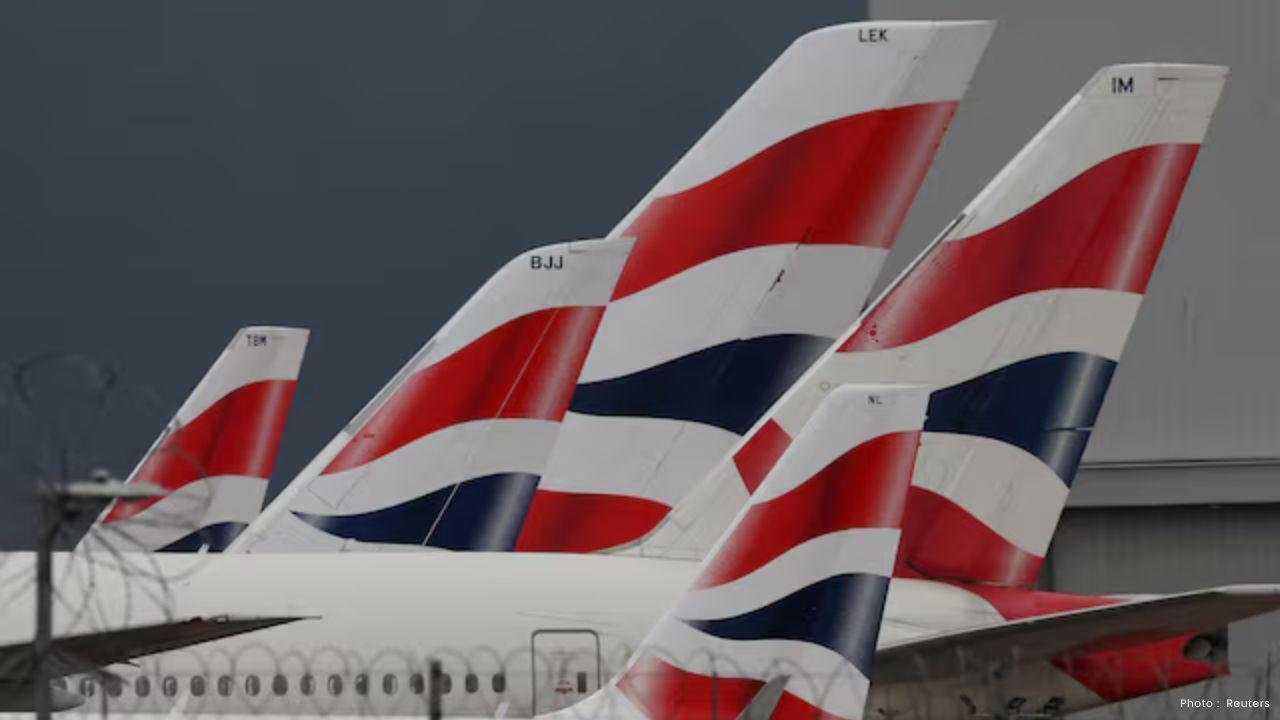
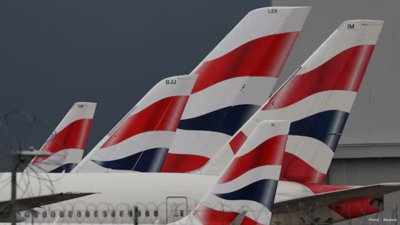
European airlines are facing a difficult situation as rising fuel prices begin to put heavy pressure on their business. Many of the biggest carriers in the region are now asking governments to relax strict environmental rules, arguing that the current crisis makes these policies too costly to follow.
At the center of this issue is a sharp increase in jet fuel prices, largely caused by the ongoing conflict in the Middle East. The war has disrupted oil supplies and pushed global prices higher. Reports show that jet fuel prices in Europe have doubled in a short period, while prices in Asia have also risen sharply.
This sudden rise in fuel costs has created serious challenges for airlines. Fuel is one of the biggest expenses for any airline, and when prices go up so quickly, it directly affects profits. Many airlines have already started increasing ticket prices to deal with the extra cost.
Major European carriers such as Air France-KLM, Lufthansa, Ryanair, and easyJet have long argued that strict environmental policies in Europe make it harder for them to compete with airlines from other regions. These rules include the use of sustainable aviation fuel, which is cleaner but also much more expensive and not easily available in large amounts.
Airlines say that while they support long-term environmental goals, the current situation makes it difficult to follow these rules. They point out that sustainable fuel can cost several times more than normal jet fuel and that supply is still limited. Because of this, they are asking for delays or changes to these green targets.
At the same time, the ongoing conflict has caused major disruptions in air travel. Many flights have been canceled or rerouted to avoid dangerous airspace. Key routes over the Gulf region remain risky due to the threat of missile and drone attacks.
The situation has also affected fuel supply. The Strait of Hormuz, one of the world’s most important oil routes, has faced disruptions. This has raised fears that fuel shortages could become a serious problem for airlines in the near future.
Despite these challenges, not all airlines are affected in the same way. Some European airlines have protected themselves by locking in fuel prices earlier through a strategy called hedging. This means they may not feel the full impact immediately. However, if high prices continue, even these airlines will face pressure.
Experts say that the crisis may change how airlines operate in the future. Some companies are already focusing more on fuel efficiency and planning routes that avoid high-risk areas. Others may reduce flights or shift to shorter routes within Europe to cut costs.
From an editorial point of view, this situation shows a clear conflict between short-term survival and long-term responsibility. On one side, airlines are struggling to manage rising costs and protect their business. On the other, environmental groups argue that climate goals should not be delayed, even during a crisis.
The challenge for governments is to find a balance. Easing green rules may help airlines survive today, but it could slow down efforts to reduce pollution in the future. At the same time, keeping strict rules during a crisis could hurt the aviation industry and lead to higher costs for travelers.
For passengers, the impact is already clear. Ticket prices are rising, and some flights are being canceled or changed. Travel may become more expensive and less predictable in the coming months.
The situation remains uncertain, and much will depend on how long the conflict continues and how fuel prices behave. For now, European airlines are calling for flexibility, while the world watches how this balance between economy and environment will be handled.
#trending #latest #armustnews #EuropeanAirlines #FuelPrices #GreenEnergy #AviationNews #MiddleEastCrisis #OilPrices #TravelNews #ClimatePolicy #GlobalEconomy

Advances in Aerospace Technology and Commercial Aviation Recovery
Insights into breakthrough aerospace technologies and commercial aviation’s recovery amid 2025 chall

Defense Modernization and Strategic Spending Trends
Explore key trends in global defense modernization and strategic military spending shaping 2025 secu

Tens of Thousands Protest in Serbia on Anniversary of Deadly Roof Collapse
Tens of thousands in Novi Sad mark a year since a deadly station roof collapse that killed 16, prote

Canada PM Carney Apologizes to Trump Over Controversial Reagan Anti-Tariff Ad
Canadian PM Mark Carney apologized to President Trump over an Ontario anti-tariff ad quoting Reagan,

The ad that stirred a hornets nest, and made Canadian PM Carney say sorry to Trump
Canadian PM Mark Carney apologizes to US President Trump after a tariff-related ad causes diplomatic

Bengaluru-Mumbai Superfast Train Approved After 30-Year Wait
Railways approves new superfast train connecting Bengaluru and Mumbai, ending a 30-year demand, easi



