Post by : Saif
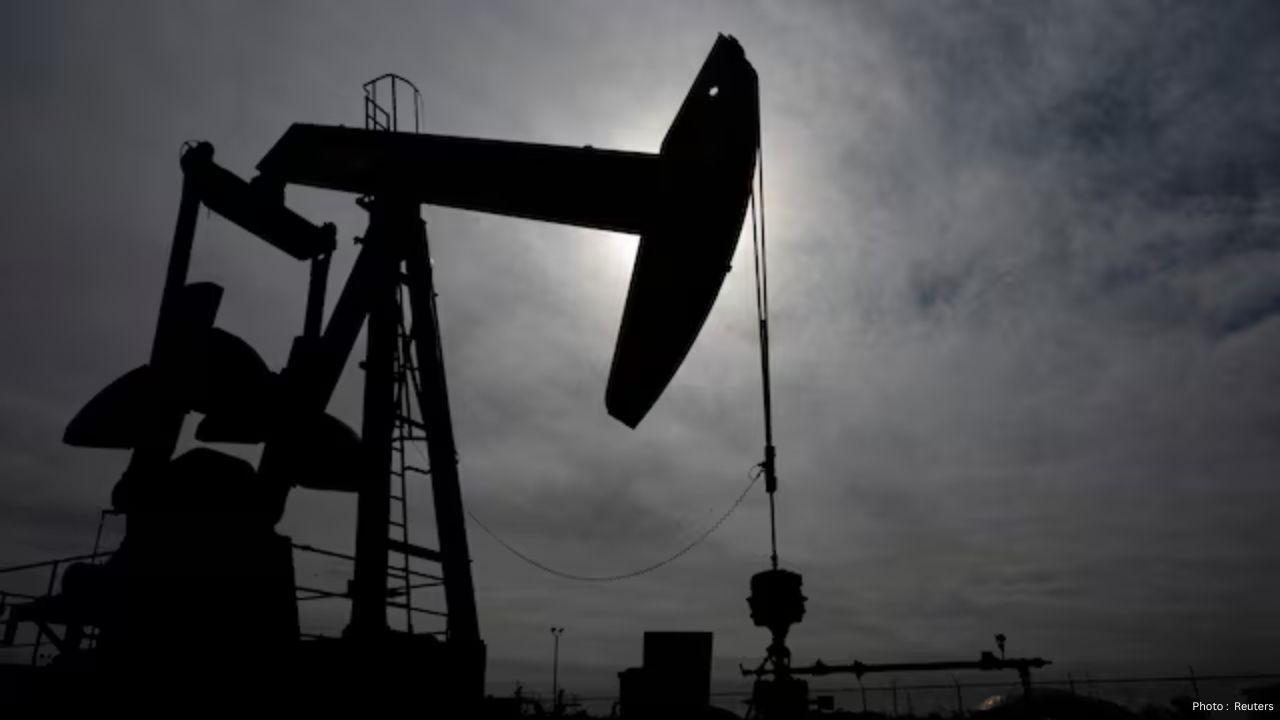
Oil prices moved higher on June 16 as global markets weighed uncertainty surrounding a proposed peace agreement between the United States and Iran. While recent diplomatic progress initially pushed energy prices lower, investors and traders are now questioning how quickly oil supplies can return to normal levels and whether the peace framework will lead to lasting stability. The changing market reaction highlights how closely the global economy remains tied to events in the Middle East.
The latest developments follow the announcement of a memorandum of understanding aimed at ending months of conflict. Earlier reports of diplomatic progress led to a sharp decline in crude prices because traders expected energy supplies to increase and transportation routes to reopen. However, uncertainty over the details of the agreement and concerns about implementation have caused fresh fluctuations in the market.
For months, the conflict disrupted one of the world's most important energy corridors. The Strait of Hormuz, a narrow waterway connecting the Persian Gulf to international markets, handles a significant share of global oil shipments. Restrictions and security concerns in the area reduced the movement of energy supplies and increased fears of shortages. These disruptions helped push prices higher and created uncertainty for businesses and governments around the world.
The announcement of a peace framework raised hopes that shipping traffic could gradually return to normal. Market participants initially believed that reopening the route would quickly increase available supplies and reduce pressure on prices. Yet experts caution that restoring normal operations may take time. Mines must be cleared, insurance coverage needs to be re-established, and shipping companies require confidence that vessels can travel safely through the region.
Another factor affecting the market is the lack of complete information about the proposed agreement. Although officials have described it as a significant step toward ending hostilities, many details remain unclear. Investors often react cautiously when major geopolitical arrangements are announced without a full explanation of how they will be implemented. As a result, uncertainty has continued to influence trading activity.
The situation demonstrates how sensitive energy markets can be to international events. Oil prices are influenced not only by current supply levels but also by expectations about future production and transportation. Even when a positive diplomatic breakthrough occurs, questions about timing and execution can create volatility. Traders are constantly assessing risks and adjusting their expectations based on new information.
Demand conditions are also playing a role in shaping market behavior. Analysts have pointed to weaker consumption trends in some major economies, particularly in Asia. Slower demand growth can place downward pressure on prices even when geopolitical concerns remain present. This combination of uncertain supply recovery and changing consumption patterns has created a complicated environment for investors.
For countries that depend heavily on imported energy, developments in the market are especially important. Nations such as India closely monitor oil prices because changes can affect transportation costs, inflation, and economic growth. Lower crude prices generally help reduce import expenses and support economic stability. Recent expectations of improved regional conditions have already contributed to positive sentiment in some financial markets.
Businesses connected to petroleum products are also watching events carefully. The conflict affected supply chains for items ranging from fuels to industrial materials. Although a peace framework could improve conditions over time, industry experts warn that shortages and logistical challenges may not disappear immediately. Many companies are still dealing with disruptions that developed during months of uncertainty.
The broader significance of the current situation extends beyond oil prices alone. Energy markets often serve as an indicator of confidence in global stability. When investors believe risks are decreasing, prices can respond quickly. However, when uncertainty remains, even positive news may be met with caution. The latest market movements reflect this balance between optimism and concern.
Political leaders and economic analysts will continue to monitor the implementation of the agreement in the coming weeks. Future negotiations, security arrangements, and progress toward a more permanent settlement will likely influence market direction. If confidence in the peace process grows, energy prices could face additional downward pressure. If doubts increase, volatility may persist.
The episode also highlights the importance of diplomacy in protecting global economic interests. Conflicts involving major energy-producing regions often have consequences far beyond national borders. Transportation networks, trade flows, and consumer costs can all be affected. Diplomatic solutions therefore play an important role not only in promoting peace but also in supporting economic stability.
#trending #latest #OilPrices #CrudeOil #USIranDeal #IranUSPeace #GlobalOilMarket #EnergyNews #MiddleEast #OilMarketUpdate #BrentCrude #WTI #StraitOfHormuz #EnergySecurity #GlobalEconomy #OilTrade







Advances in Aerospace Technology and Commercial Aviation Recovery
Insights into breakthrough aerospace technologies and commercial aviation’s recovery amid 2025 chall

Defense Modernization and Strategic Spending Trends
Explore key trends in global defense modernization and strategic military spending shaping 2025 secu

Tens of Thousands Protest in Serbia on Anniversary of Deadly Roof Collapse
Tens of thousands in Novi Sad mark a year since a deadly station roof collapse that killed 16, prote

Canada PM Carney Apologizes to Trump Over Controversial Reagan Anti-Tariff Ad
Canadian PM Mark Carney apologized to President Trump over an Ontario anti-tariff ad quoting Reagan,

The ad that stirred a hornets nest, and made Canadian PM Carney say sorry to Trump
Canadian PM Mark Carney apologizes to US President Trump after a tariff-related ad causes diplomatic

Bengaluru-Mumbai Superfast Train Approved After 30-Year Wait
Railways approves new superfast train connecting Bengaluru and Mumbai, ending a 30-year demand, easi



