Post by : Saif
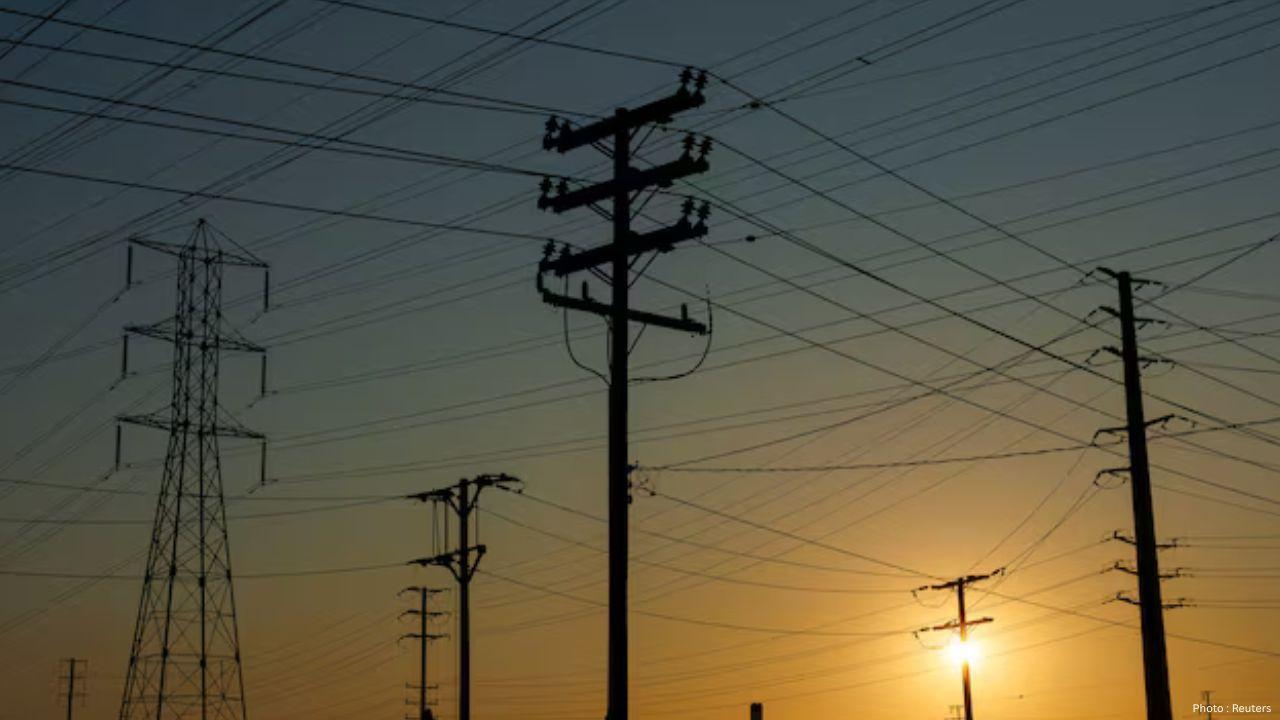
United States is dealing with a major infrastructure challenge in its electricity system. Much of the national power grid is old and under pressure as demand continues to rise. Experts estimate that more than $1 trillion may be needed over the next decade to upgrade transmission lines, substations, and other key systems to keep electricity supply stable and reliable.
At the same time, a debate is growing about how this huge investment will be handled and who will benefit from it. Concerns are also being raised about rising electricity bills and executive pay in large utility companies.
Why the Power System Needs Upgrades
A large part of the US electricity network was built many years ago. While it has been repaired over time, many sections are now struggling to meet modern demand.
Electricity usage is increasing due to population growth, industrial expansion, electric vehicles, and the rapid rise of artificial intelligence data centers. These AI facilities use large amounts of power, placing extra stress on the grid.
Because of this rising demand, experts believe the system must be expanded and modernized to avoid shortages and maintain stable supply in the coming years.
Utility Companies and Investment Growth
Power companies in the US operate under a regulated model. This means they are allowed to earn returns on approved infrastructure projects.
When companies invest in new transmission lines and energy systems, their asset value increases, which can also improve long-term profits.
Reports show that top executives in major utility firms hold large stock-based compensation packages that could be worth nearly $1 billion. This has raised questions about whether financial rewards are too high during a period when consumers are facing rising electricity costs.
Rising Electricity Bills for Consumers
Many households in the United States are already paying more for electricity. Recent data shows that average power rates have increased significantly this year.
For families, higher energy bills add pressure to already rising costs of living, including housing, food, and healthcare. In some cases, consumers have struggled to pay utility bills, leading to service disconnections.
This situation has increased public concern about whether energy upgrades will eventually make electricity even more expensive for ordinary people.
Artificial Intelligence Driving Higher Demand
One of the biggest reasons for rising electricity use is the expansion of artificial intelligence systems.
Large data centers that run AI models require constant electricity for computing and cooling systems. As technology companies build more facilities, the pressure on the power grid continues to grow.
This trend is forcing utility providers to plan for major expansions in capacity, which adds to the overall cost of upgrading the system.
Reliability Risks in the Energy Network
Experts warn that without major investment, parts of the electricity network could face reliability problems.
Some regions have already experienced stress during peak demand periods and extreme weather conditions. In certain cases, electricity prices have risen sharply when supply could not fully meet demand.
Energy planners believe that without upgrades, the risk of outages or instability could increase in the future.
The Debate Over Fairness and Responsibility
The situation has created a broader debate about fairness in the energy sector. Consumer groups argue that companies should focus more on keeping electricity affordable while improving reliability. They also believe executive pay should be linked not only to profits but also to customer outcomes.
On the other hand, utility companies say large investments are necessary and that strong financial incentives are needed to attract capital for long-term infrastructure projects.
Conclusion
The United States is entering a critical phase in managing its electricity system. A massive investment of more than $1 trillion may be required to modernize the grid and meet growing demand from industries, households, and new technologies.
#trending #latest #USPowerGrid #EnergyCrisis #ElectricityPrices #InfrastructureUpgrade #PowerSystem #UtilityCompanies #AIDataCenters #EnergyDemand #GridModernization #CleanEnergyFuture #USEconomy #PowerSector










Advances in Aerospace Technology and Commercial Aviation Recovery
Insights into breakthrough aerospace technologies and commercial aviation’s recovery amid 2025 chall

Defense Modernization and Strategic Spending Trends
Explore key trends in global defense modernization and strategic military spending shaping 2025 secu

Tens of Thousands Protest in Serbia on Anniversary of Deadly Roof Collapse
Tens of thousands in Novi Sad mark a year since a deadly station roof collapse that killed 16, prote

Canada PM Carney Apologizes to Trump Over Controversial Reagan Anti-Tariff Ad
Canadian PM Mark Carney apologized to President Trump over an Ontario anti-tariff ad quoting Reagan,

The ad that stirred a hornets nest, and made Canadian PM Carney say sorry to Trump
Canadian PM Mark Carney apologizes to US President Trump after a tariff-related ad causes diplomatic

Bengaluru-Mumbai Superfast Train Approved After 30-Year Wait
Railways approves new superfast train connecting Bengaluru and Mumbai, ending a 30-year demand, easi



