Post by : Avinab Raana
Photo : X / @RodDMartin
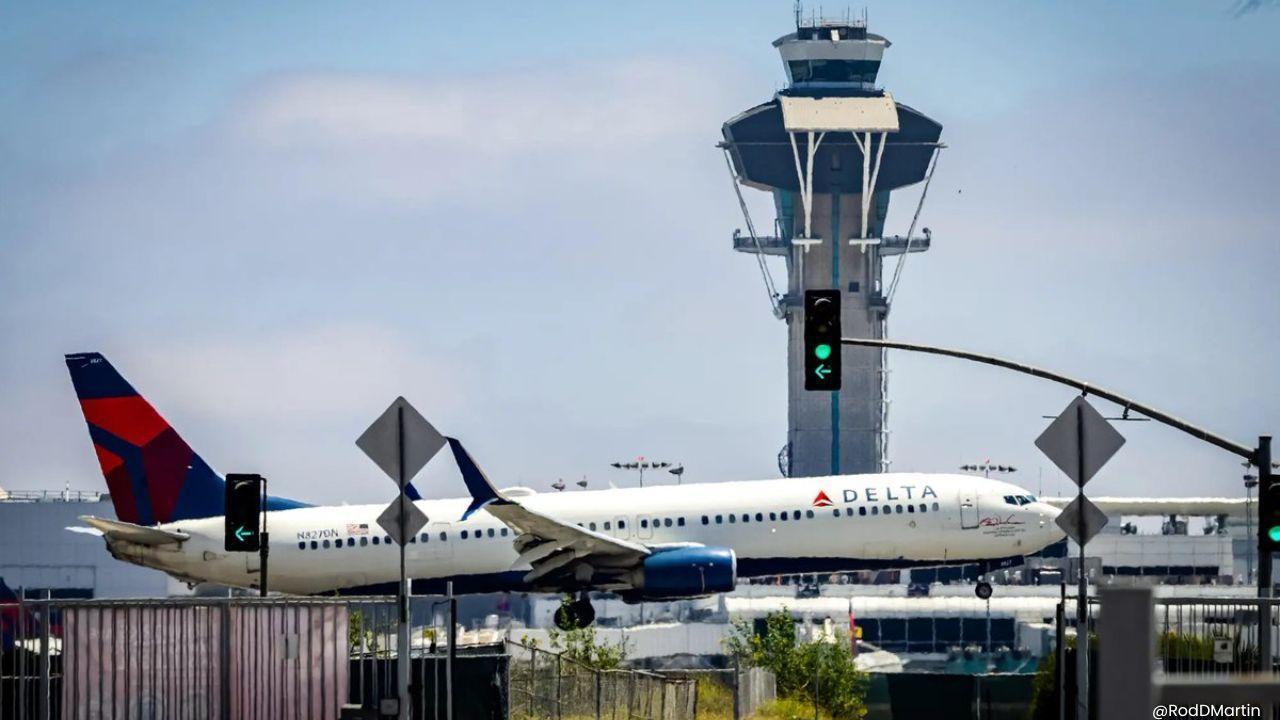
A renewed push to modernize air traffic control systems is gaining momentum, as aviation leaders emphasize the urgent need to enhance safety and efficiency across increasingly congested skies. Speaking at a major global aviation forum, industry leadership highlighted that the current air traffic infrastructure is struggling to keep pace with rising traffic volumes, operational complexity, and evolving aircraft technologies. The call for a next-generation ATC system reflects a broader shift toward digitization, where safety is not just maintained but actively strengthened through smarter systems and real-time data integration.
At the heart of the discussion lies a growing concern over aging ATC infrastructure that continues to rely on legacy technologies. Many systems currently in use were designed decades ago, creating inefficiencies and increasing the risk of operational bottlenecks. The push for modernization aims to replace outdated hardware and analog communication systems with digital, high-speed, and highly reliable alternatives. These upgrades are expected to significantly improve aircraft tracking, reduce communication gaps, and enable smoother coordination between pilots and controllers.
The proposed transformation of air traffic control is centered around advanced automation, real-time data sharing, and integrated digital platforms. Modern ATC systems are being designed to provide controllers with enhanced situational awareness, allowing them to manage increasingly complex airspace with greater precision. By leveraging automation tools, predictive analytics, and improved communication networks, the new system aims to reduce human workload while maintaining the highest levels of operational safety.
While efficiency and capacity are key motivators, safety remains the primary driver behind ATC modernization. Industry leaders have stressed that every technological upgrade must ultimately serve to reduce risk and prevent incidents in an increasingly crowded airspace environment. Recent near-miss events and operational challenges have reinforced the need for stronger safety frameworks, improved data visibility, and more responsive systems that can detect and mitigate risks before they escalate.
Global air traffic is rebounding rapidly, with both commercial and business aviation sectors experiencing increased demand. This surge is placing additional pressure on already stretched ATC systems, making modernization not just a strategic priority but an operational necessity. Without significant upgrades, the gap between system capability and traffic demand could widen, leading to delays, inefficiencies, and heightened safety concerns.
The push for a new ATC system represents a defining moment for the aviation industry, where technology, safety, and scalability must align to support future growth. As stakeholders across government, industry, and technology sectors collaborate to shape the next generation of air traffic control, the outcome will determine how effectively global aviation can adapt to the demands of the future. A smarter, safer, and more resilient airspace system is no longer a vision, it is becoming an industry imperative.
new ATC system aviation, air traffic control modernization, aviation safety technology,







Advances in Aerospace Technology and Commercial Aviation Recovery
Insights into breakthrough aerospace technologies and commercial aviation’s recovery amid 2025 chall

Defense Modernization and Strategic Spending Trends
Explore key trends in global defense modernization and strategic military spending shaping 2025 secu

Tens of Thousands Protest in Serbia on Anniversary of Deadly Roof Collapse
Tens of thousands in Novi Sad mark a year since a deadly station roof collapse that killed 16, prote

Canada PM Carney Apologizes to Trump Over Controversial Reagan Anti-Tariff Ad
Canadian PM Mark Carney apologized to President Trump over an Ontario anti-tariff ad quoting Reagan,

The ad that stirred a hornets nest, and made Canadian PM Carney say sorry to Trump
Canadian PM Mark Carney apologizes to US President Trump after a tariff-related ad causes diplomatic

Bengaluru-Mumbai Superfast Train Approved After 30-Year Wait
Railways approves new superfast train connecting Bengaluru and Mumbai, ending a 30-year demand, easi



