Post by : Saif
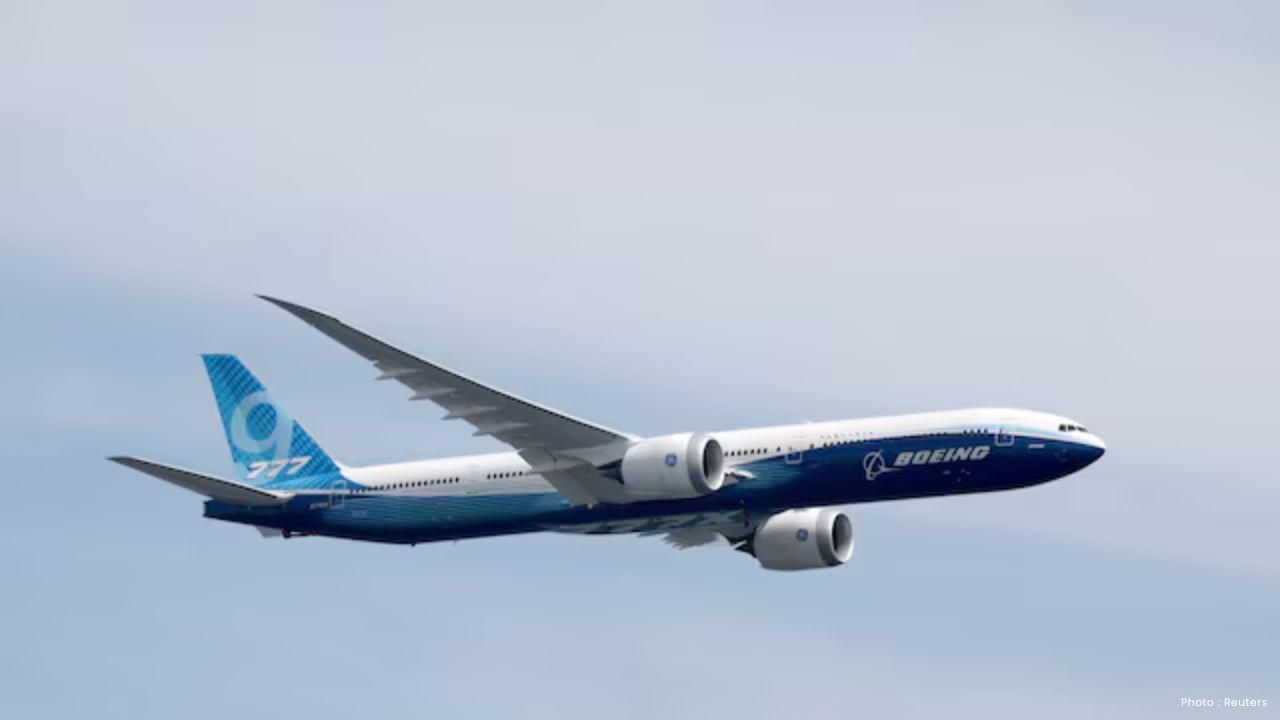
Korean Air has announced plans to buy a large number of aircraft from Boeing in a deal that could shape the future of its operations for many years.
The airline said it intends to purchase up to 103 Boeing planes, with the total value of the deal estimated at around $36.2 billion. The deliveries are expected to take place over a long period, stretching until the year 2039.
This move comes as global air travel continues to recover and grow after years of disruption. Airlines are now planning ahead to meet rising demand from both business and leisure travelers.
Korean Air’s decision shows strong confidence in the future of aviation. By placing such a large order, the airline is preparing to expand its fleet, improve efficiency, and stay competitive in the global market.
The new aircraft will likely include modern, fuel-efficient models. These planes are designed to use less fuel, reduce emissions, and offer better comfort for passengers. For airlines, this also means lower operating costs in the long run.
The aviation industry has been changing rapidly. Rising fuel prices, environmental concerns, and growing competition are forcing airlines to upgrade their fleets. Newer aircraft help airlines manage these challenges more effectively.
For Boeing, the deal is a major boost. The company has faced several challenges in recent years, including production delays and safety concerns. A large order like this helps strengthen its position in the global market and shows continued trust from major airlines.
At the same time, competition remains strong. European aircraft maker Airbus is also a key player in the industry, and airlines often compare options before making such large investments.
Korean Air’s long-term plan reflects a careful strategy. Instead of making short-term decisions, the airline is focusing on future growth over the next decade and beyond. This includes increasing capacity, improving service quality, and expanding its global network.
Another important factor is sustainability. The aviation industry is under pressure to reduce its environmental impact. New aircraft are designed to produce fewer emissions and operate more efficiently, helping airlines meet global climate goals.
However, such a large investment also comes with risks. The airline must manage costs carefully and ensure that demand continues to grow as expected. Economic downturns, fuel price changes, or global conflicts could affect travel demand in the future.
Despite these risks, the overall outlook for air travel remains positive. As more people travel for work, tourism, and family visits, airlines are preparing to handle higher passenger numbers.
The deal also highlights the close relationship between airlines and aircraft manufacturers. These partnerships are essential for the growth of the aviation sector and the global economy.
For passengers, this development could mean better travel experiences in the future. New planes often offer improved seating, quieter cabins, and better onboard technology.
In a broader sense, this announcement reflects confidence in global recovery and growth. Even in a world facing uncertainty, industries like aviation are planning ahead and investing in the future.
Korean Air’s decision sends a clear message: the demand for air travel is expected to rise, and airlines must be ready to meet it.
#trending #latest #KoreanAir #Boeing #AviationNews #AirTravel #AirlineIndustry #GlobalEconomy #AircraftDeal #BreakingNews







Advances in Aerospace Technology and Commercial Aviation Recovery
Insights into breakthrough aerospace technologies and commercial aviation’s recovery amid 2025 chall

Defense Modernization and Strategic Spending Trends
Explore key trends in global defense modernization and strategic military spending shaping 2025 secu

Tens of Thousands Protest in Serbia on Anniversary of Deadly Roof Collapse
Tens of thousands in Novi Sad mark a year since a deadly station roof collapse that killed 16, prote

Canada PM Carney Apologizes to Trump Over Controversial Reagan Anti-Tariff Ad
Canadian PM Mark Carney apologized to President Trump over an Ontario anti-tariff ad quoting Reagan,

The ad that stirred a hornets nest, and made Canadian PM Carney say sorry to Trump
Canadian PM Mark Carney apologizes to US President Trump after a tariff-related ad causes diplomatic

Bengaluru-Mumbai Superfast Train Approved After 30-Year Wait
Railways approves new superfast train connecting Bengaluru and Mumbai, ending a 30-year demand, easi



