Post by : Avinab Raana
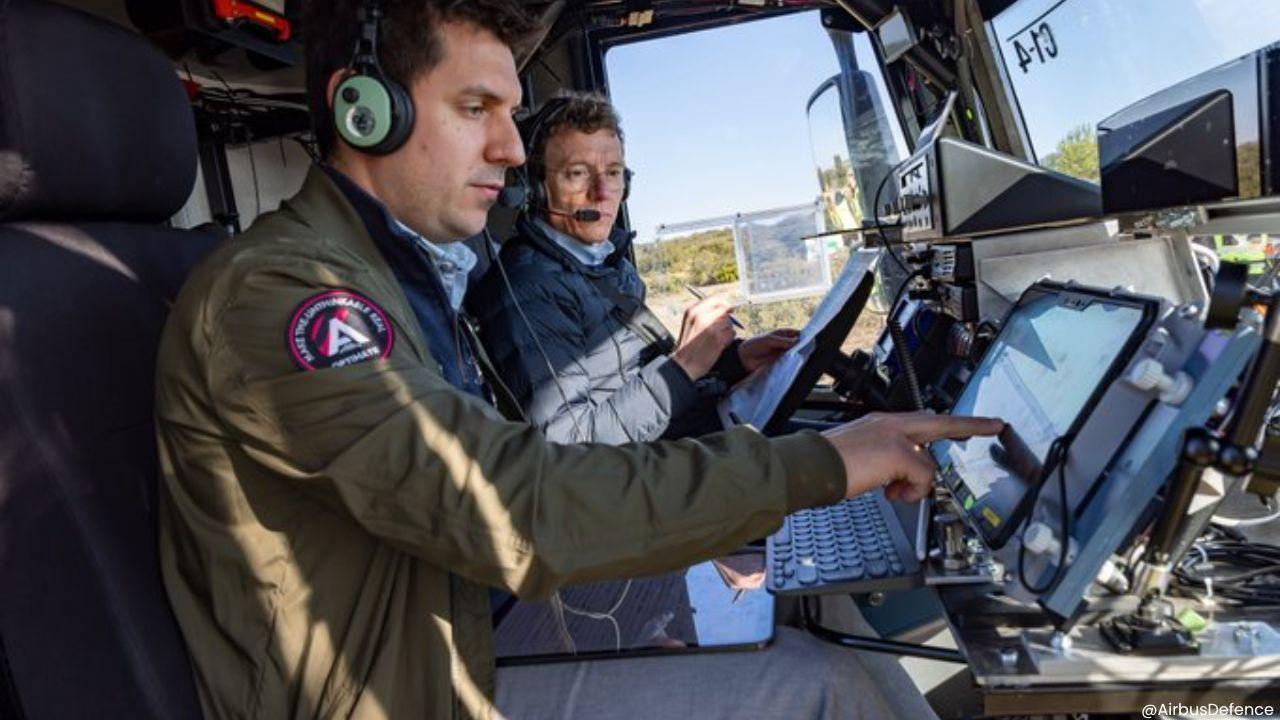
Photo : X / @AirbusDefence
Airbus is redefining how wildfires are fought from the air, as it successfully trials a next-generation networked firefighting system designed to transform coordination between aircraft, ground teams, and command centers. Moving beyond traditional standalone aerial firefighting missions, the new system introduces a connected operational model where real-time data, communication, and situational awareness come together to create a more intelligent and responsive firefighting ecosystem. This shift marks a critical evolution in aviation’s role in emergency response, where speed, coordination, and precision are becoming just as important as payload capacity.
Historically, aerial firefighting has relied on individual aircraft operating with limited real-time coordination, often leading to inefficiencies in resource deployment. Airbus networked system aims to eliminate these gaps by connecting multiple assets firefighting aircraft, helicopters, drones, and ground teams into a unified operational framework. Through shared data streams and synchronized communication, crews can now access live updates on fire behavior, weather patterns, and mission progress, allowing for faster decision-making and more targeted response strategies.
At the core of this innovation lies the integration of digital technologies that enable real-time data exchange across all firefighting units. Aircraft equipped with advanced sensors and communication systems can transmit critical information instantly, providing a comprehensive overview of the fire zone. This allows command centers to dynamically allocate resources, adjust flight paths, and optimize drop patterns based on evolving conditions. The result is a more adaptive and efficient firefighting operation that minimizes delays and maximizes impact.
The networked approach not only improves efficiency but also significantly enhances safety for both aircrew and ground personnel. By providing accurate situational awareness and reducing uncertainty, the system helps pilots operate more effectively in high-risk environments characterized by smoke, turbulence, and limited visibility. Coordinated operations also reduce the risk of mid-air conflicts and ensure that resources are deployed where they are needed most, minimizing redundant efforts and operational risks.
With wildfires increasing in frequency and intensity worldwide, the need for scalable and technologically advanced firefighting solutions has never been greater. Airbus’ system is designed to be adaptable across different regions and operational contexts, making it a viable solution for governments and emergency agencies facing escalating climate-driven challenges. By leveraging existing aircraft platforms and enhancing them with digital connectivity, the approach offers a cost-effective pathway to modernizing aerial firefighting capabilities without requiring entirely new fleets.
The successful trial of Airbus’ networked firefighting system signals a broader transformation in aviation, where connectivity and data integration are reshaping mission-critical operations. As wildfires continue to pose a global threat, innovations like this could become the backbone of future emergency response strategies. By turning aircraft into intelligent, connected assets, Airbus is not just improving firefighting. It is redefining how aviation can serve as a force multiplier in tackling some of the world’s most urgent challenges.
Airbus firefighting system, networked wildfire response, aerial firefighting aircraft, digital firefighting aviation





Advances in Aerospace Technology and Commercial Aviation Recovery
Insights into breakthrough aerospace technologies and commercial aviation’s recovery amid 2025 chall

Defense Modernization and Strategic Spending Trends
Explore key trends in global defense modernization and strategic military spending shaping 2025 secu

Tens of Thousands Protest in Serbia on Anniversary of Deadly Roof Collapse
Tens of thousands in Novi Sad mark a year since a deadly station roof collapse that killed 16, prote

Canada PM Carney Apologizes to Trump Over Controversial Reagan Anti-Tariff Ad
Canadian PM Mark Carney apologized to President Trump over an Ontario anti-tariff ad quoting Reagan,

The ad that stirred a hornets nest, and made Canadian PM Carney say sorry to Trump
Canadian PM Mark Carney apologizes to US President Trump after a tariff-related ad causes diplomatic

Bengaluru-Mumbai Superfast Train Approved After 30-Year Wait
Railways approves new superfast train connecting Bengaluru and Mumbai, ending a 30-year demand, easi



