Post by : Saif
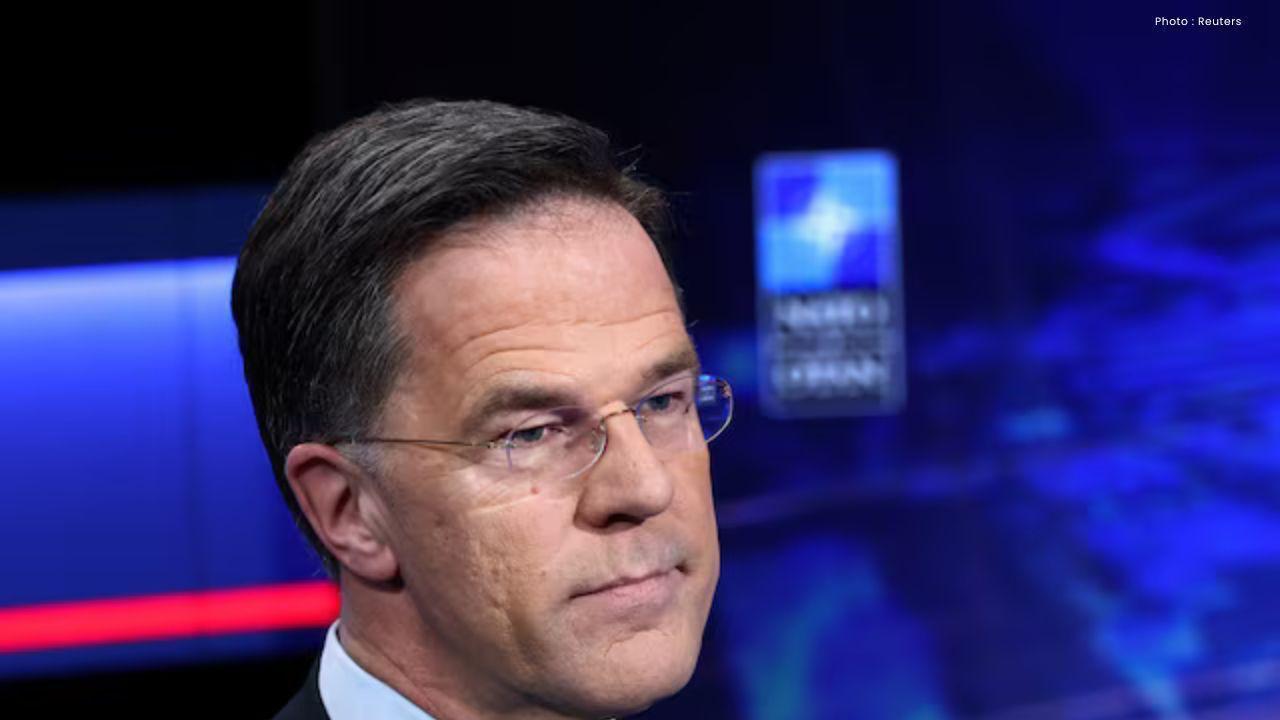
The global security situation is changing quickly, and countries are responding with stronger military spending. The North Atlantic Treaty Organization, known as NATO, has reported a sharp increase in defence spending by its European members and Canada.
This rise comes at a time when the world is facing multiple conflicts, including the war in Ukraine and growing tensions in the Middle East. These events have pushed governments to rethink their defence strategies and invest more in security.
According to NATO data, defence spending by European allies and Canada has grown significantly in recent years. In fact, spending jumped by about 20% in 2024 compared to the previous year, showing a clear shift in priorities.
This increase is not happening by chance. Countries are responding to real threats. The war in Ukraine has made many European nations feel more vulnerable, especially those close to Russia. At the same time, tensions involving Iran have added to global uncertainty.
Another important factor is pressure from the United States. For many years, Washington has asked its allies to contribute more to their own defence. Under Donald Trump, this pressure has become even stronger, with calls for higher spending targets.
NATO has already set a basic goal for its members to spend at least 2% of their GDP on defence. But now, discussions are moving toward even higher targets. A new plan suggests that countries could aim to spend up to 3.5% on core defence and more on related security needs.
Many countries are trying to meet these goals faster. Canada, for example, has announced plans to boost its military spending and reach NATO targets earlier than expected.
European countries are also increasing their budgets. Defence spending across the European Union has been rising steadily, with billions of euros being invested in military equipment, infrastructure, and technology.
This increase in spending is not just about buying weapons. It also includes improving cyber security, strengthening borders, and upgrading transport systems that can support military movement.
Experts say this marks a major shift in global defence policy. For many years, after the Cold War, defence spending remained stable or even declined in some countries. But now, the situation has changed.
The idea of a “peace dividend,” where countries could reduce military budgets and focus on development, is being replaced by a new focus on security and preparedness.
At the same time, there are concerns about the cost. Defence spending requires large amounts of money, and governments must balance it with other needs like healthcare, education, and infrastructure.
Some critics argue that too much focus on military spending could take away resources from social programs. Others believe that strong defence is necessary to protect national interests and ensure long-term stability.
The rise in spending is also changing the structure of NATO itself. There are signs that the alliance may become more European-led in the future, with countries in Europe taking greater responsibility for their own defence.
This shift reflects changing global dynamics. The United States is still a key member of NATO, but its focus is also expanding to other regions, such as the Indo-Pacific. This means European countries may need to play a bigger role in their own security.
The increase in defence spending is also affecting industries. Defence companies are seeing more demand for equipment, technology, and services. This is creating new opportunities for growth, but also raising questions about long-term sustainability.
For ordinary people, these changes may not be visible every day, but they have real effects. Higher defence spending can influence taxes, government budgets, and economic priorities.
In the end, the rise in NATO defence spending reflects a world that is becoming more uncertain. Countries are preparing for risks, strengthening alliances, and investing in security.
Whether this leads to greater stability or more tension will depend on how these resources are used. But one thing is clear—the era of low defence spending is coming to an end, and a new phase of global security is taking shape.
#trending #latest #NATO #DefenceSpending #GlobalSecurity #Europe #Canada #UkraineWar #MilitaryNews #BreakingNews









Advances in Aerospace Technology and Commercial Aviation Recovery
Insights into breakthrough aerospace technologies and commercial aviation’s recovery amid 2025 chall

Defense Modernization and Strategic Spending Trends
Explore key trends in global defense modernization and strategic military spending shaping 2025 secu

Tens of Thousands Protest in Serbia on Anniversary of Deadly Roof Collapse
Tens of thousands in Novi Sad mark a year since a deadly station roof collapse that killed 16, prote

Canada PM Carney Apologizes to Trump Over Controversial Reagan Anti-Tariff Ad
Canadian PM Mark Carney apologized to President Trump over an Ontario anti-tariff ad quoting Reagan,

The ad that stirred a hornets nest, and made Canadian PM Carney say sorry to Trump
Canadian PM Mark Carney apologizes to US President Trump after a tariff-related ad causes diplomatic

Bengaluru-Mumbai Superfast Train Approved After 30-Year Wait
Railways approves new superfast train connecting Bengaluru and Mumbai, ending a 30-year demand, easi



