Post by : Avinab Raana
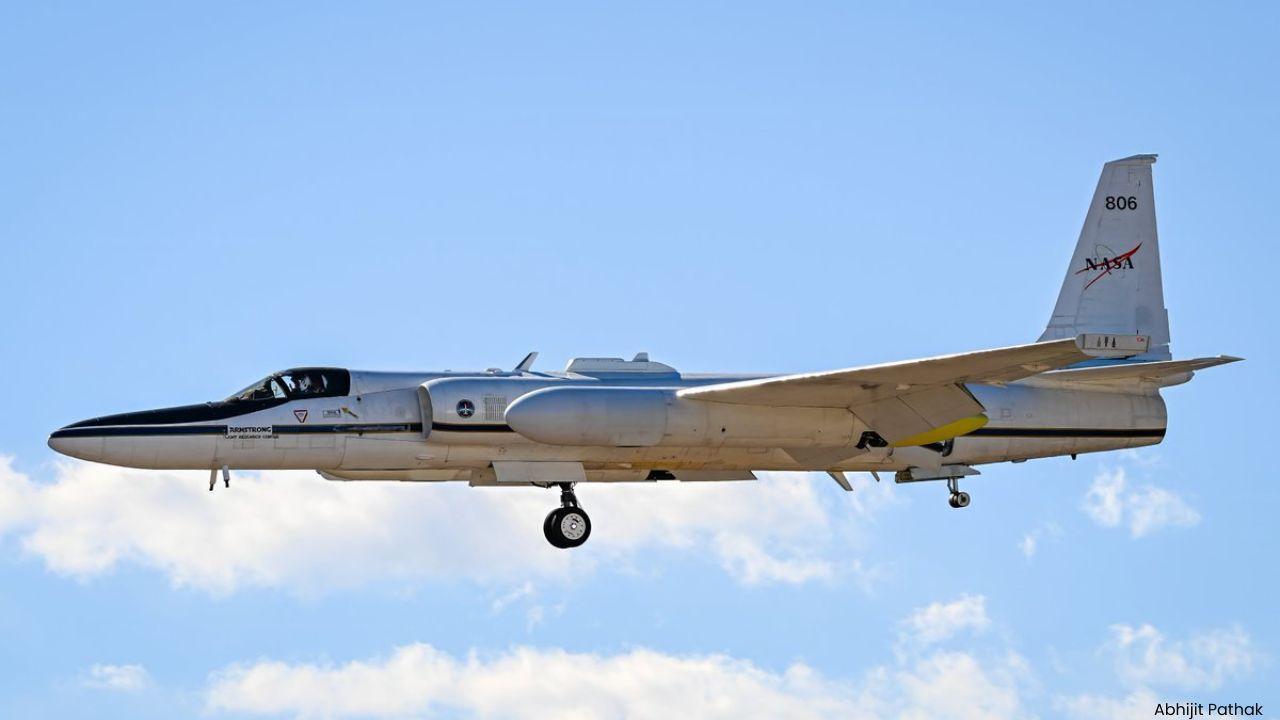
Photo : X / Abhijit Pathak
NASA’s aircraft fleet is not just a collection of planes, it is a dynamic, flying laboratory network that is redefining how scientists observe Earth and test future aviation technologies. At a time when climate change, atmospheric shifts, and global environmental challenges demand real-time insights, NASA’s airborne science missions are emerging as one of the most powerful tools bridging space-based data with on-ground realities. These aircraft are engineered not for transport, but for discovery turning the skies into platforms of precision science and innovation.
Unlike conventional aviation fleets, NASA’s lineup is uniquely diverse, blending modified business jets, Cold War-era platforms, and next-generation experimental aircraft. From high-altitude ER-2 aircraft derived from the iconic U-2 to Gulfstream jets repurposed for scientific missions, every aircraft serves a highly specialized role. These platforms are equipped to collect atmospheric data, study oceanic systems, and validate satellite observations, creating a seamless integration between airborne and space-based research.
What makes this fleet remarkable is its adaptability. Aircraft like the Lockheed P-3 Orion, originally designed for military surveillance, now contribute to climate monitoring and environmental research across all continents. This transformation reflects NASA’s ability to repurpose legacy aviation assets into cutting-edge scientific tools.
At the core of this ecosystem is NASA’s Airborne Science Program, a critical initiative under its Earth Science Division. The program enables aircraft to function as real-time research stations, collecting data that satellites alone cannot capture. These missions support a wide range of scientific disciplines from meteorology and oceanography to ecology and atmospheric chemistry providing high-resolution insights into Earth’s changing systems.
Airborne missions also play a crucial role in disaster response and environmental monitoring. Whether mapping polar ice sheets or studying tropical cloud formations, these aircraft deliver data that directly influences global climate policies and scientific understanding.
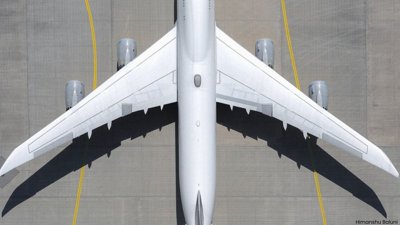
NASA’s latest move to integrate a Boeing 777-200ER into its fleet signals a transformative leap in airborne science capabilities. Acquired to replace the retired DC-8, this wide-body aircraft is being retrofitted into a next-generation flying laboratory. Equipped with advanced remote sensing and gas sampling instruments, it is expected to tackle complex scientific questions about Earth systems with unprecedented precision.
Set to begin operations in the coming years, the 777 represents a shift toward larger, more capable airborne platforms that can carry heavier payloads and operate over longer durations. This evolution reflects the growing demand for high-capacity data collection in global research missions.
NASA’s aircraft are not limited to Earth science, they also play a critical role in supporting space missions and future aviation concepts. From training astronauts to providing imagery support for launches, these aircraft extend NASA’s operational reach. Experimental platforms like the X-59 supersonic jet further highlight how the fleet is shaping the future of aviation, including quieter supersonic travel and sustainable flight technologies. The integration of airborne testing with space exploration creates a powerful feedback loop, accelerating innovation across both domains.
As the world faces increasing environmental uncertainty, NASA’s aircraft fleet stands at the intersection of aviation innovation and scientific discovery. It is not just about flying higher or faster.It is about flying smarter, gathering deeper insights, and enabling data-driven decisions on a global scale.
In the coming decade, as new aircraft like the Boeing 777 flying lab take to the skies, NASA’s airborne missions are set to redefine how humanity understands its planet. The question is no longer whether airborne science is important, it is how far this flying laboratory can push the boundaries of knowledge.
#trending #latest,#NASAAircraft #AirborneScience #AviationInnovation #ClimateResearch #FlightTechnology





Advances in Aerospace Technology and Commercial Aviation Recovery
Insights into breakthrough aerospace technologies and commercial aviation’s recovery amid 2025 chall

Defense Modernization and Strategic Spending Trends
Explore key trends in global defense modernization and strategic military spending shaping 2025 secu

Tens of Thousands Protest in Serbia on Anniversary of Deadly Roof Collapse
Tens of thousands in Novi Sad mark a year since a deadly station roof collapse that killed 16, prote

Canada PM Carney Apologizes to Trump Over Controversial Reagan Anti-Tariff Ad
Canadian PM Mark Carney apologized to President Trump over an Ontario anti-tariff ad quoting Reagan,

The ad that stirred a hornets nest, and made Canadian PM Carney say sorry to Trump
Canadian PM Mark Carney apologizes to US President Trump after a tariff-related ad causes diplomatic

Bengaluru-Mumbai Superfast Train Approved After 30-Year Wait
Railways approves new superfast train connecting Bengaluru and Mumbai, ending a 30-year demand, easi



