Post by : Saif
The growing conflict in the Middle East has begun to affect global trade in unexpected ways. While the world watches the military situation closely, another crisis is quietly unfolding in the background. Air cargo operations across the region have been heavily disrupted, leaving shipments of fresh food, medicines, and even aircraft parts stranded at airports.
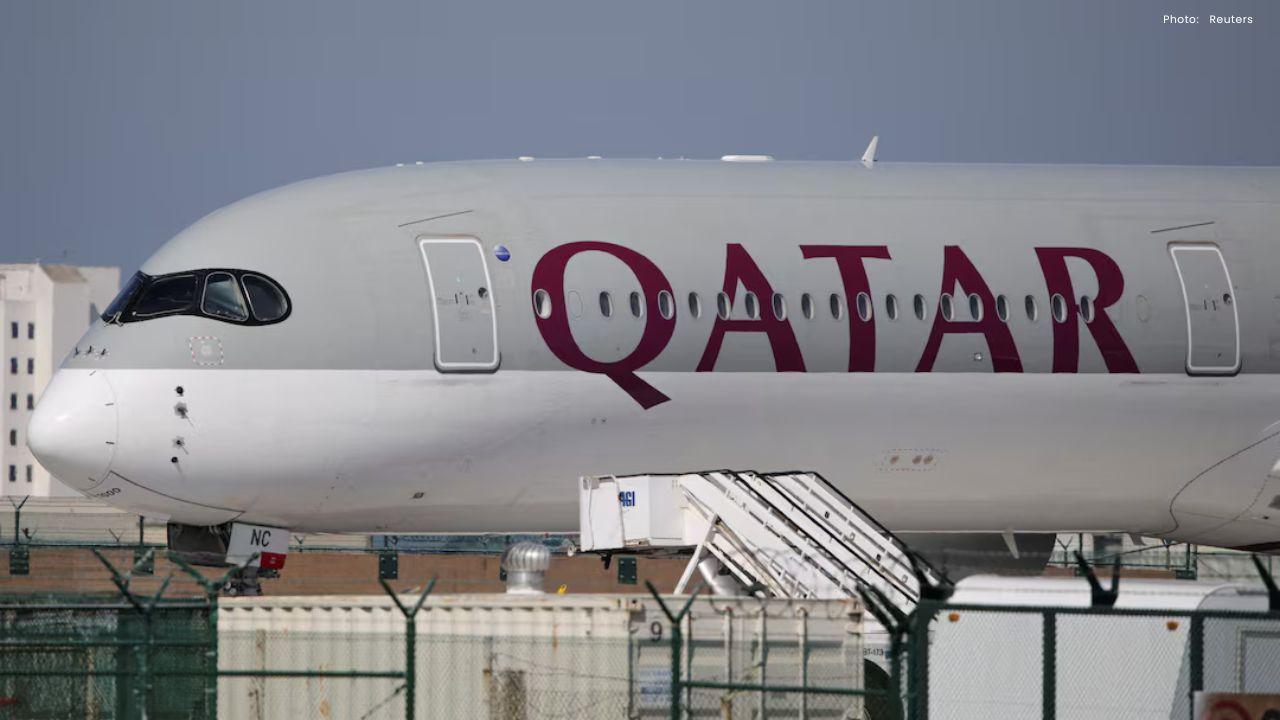
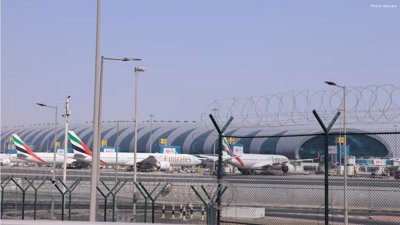
The disruption began after escalating military tensions forced several countries and airlines to suspend flights across key air routes. Airports in major aviation hubs such as Dubai and Doha have experienced major flight reductions or temporary closures. These hubs are among the most important connections for cargo moving between Asia, Europe, and other parts of the world. When flights stop in these locations, global supply chains quickly feel the impact.
Industry experts say that the disruption has reduced global air cargo capacity by around 22 percent in just a few days. This sharp decline means fewer planes are available to transport goods. The situation is especially serious for products that must move quickly, such as fresh fruits, vegetables, medical supplies, and important aircraft components.
Air cargo plays a vital role in modern global trade. Many industries depend on fast delivery of goods that cannot wait for slower shipping methods like sea transport. Airlines often carry important items such as electronic parts, pharmaceuticals, and mechanical equipment that are needed urgently in factories and hospitals. When flights stop suddenly, these deliveries are delayed, creating problems in many industries.
One of the most concerning issues is the delay of aircraft parts. Airlines around the world rely on quick delivery of spare parts to keep their planes flying safely. If a component fails or needs replacement, a new part is often shipped immediately by air cargo. When these shipments are delayed, aircraft maintenance schedules can be disrupted, and planes may remain grounded longer than expected.
At the same time, perishable goods are also facing serious risk. Fresh produce and certain medicines must be transported quickly to maintain quality and safety. If these items remain stuck in cargo warehouses for too long, they may spoil and become unusable. This can lead to financial losses for producers and suppliers.
The Middle East plays a central role in global cargo transportation. Airlines based in the region handle about 13 percent of the world’s total air cargo capacity. Their geographic position allows them to connect Asia, Europe, and Africa through efficient flight routes. When these carriers face disruptions, the effects quickly spread to many international markets.
The Asia–Middle East–Europe route has been particularly affected. Cargo capacity along this corridor has reportedly fallen by nearly 40 percent since the conflict intensified. As a result, freight prices have started to rise. Shipping goods from Southeast Asia to Europe has already become more expensive as demand for limited cargo space increases.
Logistics companies say the situation has created growing backlogs in cargo terminals. Packages that normally move quickly through airports are now waiting for available flights. This congestion makes the problem worse because even when flights resume, it can take time to clear the accumulated shipments.
The disruption also highlights how sensitive global supply chains are to geopolitical events. Modern trade networks rely heavily on smooth transportation links. When a major air route suddenly becomes unsafe or unavailable, companies must scramble to find alternative routes. In some cases, cargo must be rerouted through longer and more expensive paths.
Some analysts believe certain airlines may benefit from the situation. For example, Chinese cargo carriers may gain an advantage because they can still use air routes through Russian airspace, which can reduce travel time and costs compared with routes that avoid the region.
However, the overall picture for global trade remains uncertain. Businesses across multiple sectors are watching the situation closely. If the conflict continues or expands further, the disruption could spread to more industries and markets.
The crisis also comes at a time when global logistics networks are already under pressure. In recent years, the world has faced supply chain disruptions caused by the COVID-19 pandemic, geopolitical tensions, and shipping challenges in key maritime routes. The current air cargo disruption adds another layer of uncertainty for companies trying to move goods around the world.
Some cargo operations have started to resume slowly as airlines explore safer flight paths and governments open limited air corridors. But the situation remains unstable. Airlines must constantly monitor security risks and adjust their routes to avoid dangerous areas.
For many businesses, the biggest concern is time. The longer the disruption continues, the more difficult it will be to recover normal supply chains. Delayed shipments can lead to shortages, higher prices, and operational problems for companies in different parts of the world.
Experts warn that this situation is a reminder of how interconnected the global economy has become. A conflict in one region can quickly affect industries thousands of miles away. From food shipments to aircraft maintenance, the impact of disrupted air cargo can reach far beyond the battlefield.
For now, companies and logistics providers are hoping that stability returns soon so that normal air cargo operations can resume. Until then, the world’s supply chains must adapt to another unexpected challenge caused by geopolitical conflict.
#trending #latest #AirCargoCrisis #MiddleEastConflict #GlobalSupplyChain #AviationIndustry #AirFreight #LogisticsDisruption #GlobalTrade #AviationNews #SupplyChainCrisis #armustnews






Advances in Aerospace Technology and Commercial Aviation Recovery
Insights into breakthrough aerospace technologies and commercial aviation’s recovery amid 2025 chall

Defense Modernization and Strategic Spending Trends
Explore key trends in global defense modernization and strategic military spending shaping 2025 secu

Tens of Thousands Protest in Serbia on Anniversary of Deadly Roof Collapse
Tens of thousands in Novi Sad mark a year since a deadly station roof collapse that killed 16, prote

Canada PM Carney Apologizes to Trump Over Controversial Reagan Anti-Tariff Ad
Canadian PM Mark Carney apologized to President Trump over an Ontario anti-tariff ad quoting Reagan,

The ad that stirred a hornets nest, and made Canadian PM Carney say sorry to Trump
Canadian PM Mark Carney apologizes to US President Trump after a tariff-related ad causes diplomatic

Bengaluru-Mumbai Superfast Train Approved After 30-Year Wait
Railways approves new superfast train connecting Bengaluru and Mumbai, ending a 30-year demand, easi



