Post by : Saif
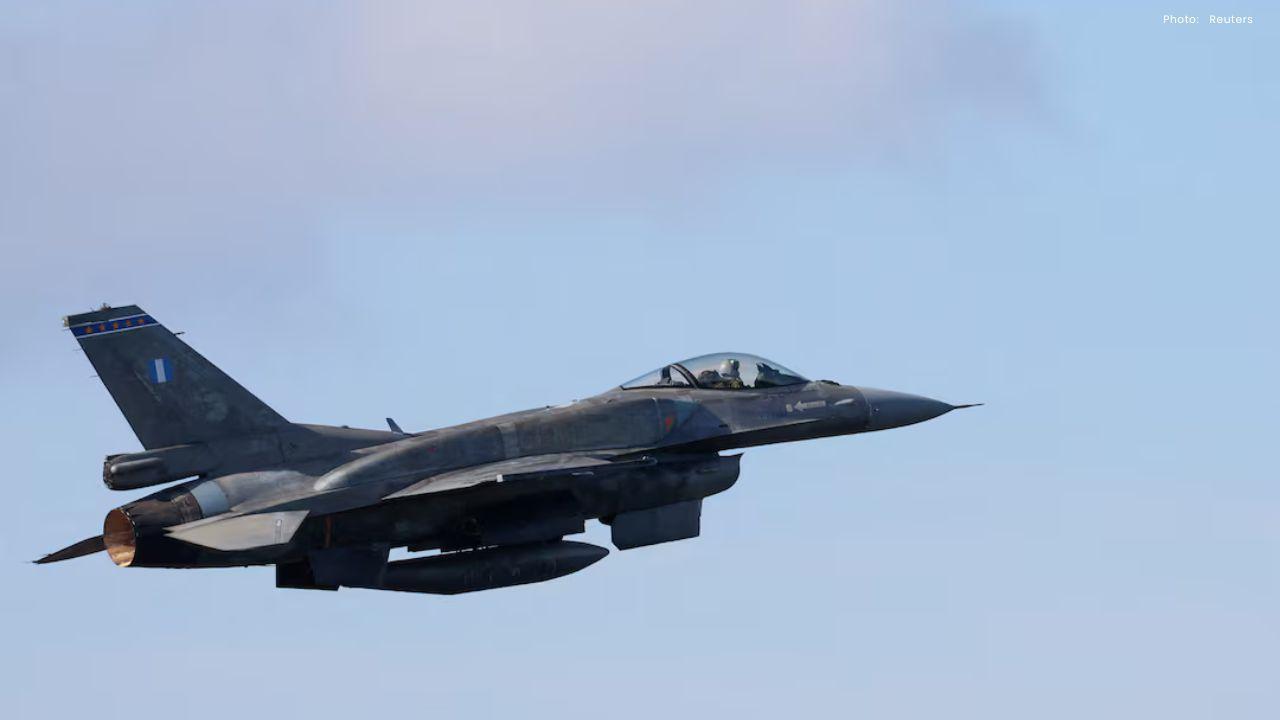
Ukraine’s newly deployed F-16 fighter jets faced a serious problem late last year: they did not have enough missiles to fight effectively. For several weeks, Ukrainian pilots flying these advanced aircraft had very few U.S.-made missiles available, leaving them in a difficult position while Russian attacks continued. The shortage highlighted how strongly Ukraine depends on Western countries for weapons and military supplies.
The shortage occurred between late November and mid-December 2025. During this period, Ukrainian F-16 units reportedly had only a small number of air-to-air missiles left, including the U.S.-made AIM-9 Sidewinder. These missiles are important for shooting down enemy aircraft, drones, and incoming threats. Without enough of them, the jets could not perform their missions at full strength.
Ukraine received its first F-16 fighter jets from Western allies in 2024 after a long diplomatic effort. Countries such as Denmark, the Netherlands, and Norway agreed to provide the aircraft as part of international support for Kyiv’s defense against Russia’s invasion. The jets represent a major upgrade for Ukraine’s air force, which previously relied mostly on older Soviet-era aircraft.
However, having modern aircraft is only part of the equation. These jets depend heavily on advanced missiles and other weapons to operate effectively. Without these systems, even powerful aircraft like the F-16 cannot fully protect the skies. The shortage that Ukraine experienced showed that modern air warfare depends not only on aircraft but also on a steady flow of ammunition and technical support.
During the missile shortage, Ukrainian pilots were forced to rely on limited alternatives. Some aircraft used their built-in cannons or older missile systems that were not always reliable. These methods can work in certain situations, but they are less effective against large waves of drones or cruise missiles. This made the situation especially dangerous as Russia increased its air attacks during the winter campaign.
Russia has used a combination of drones, cruise missiles, and ballistic missiles to strike Ukrainian cities, energy facilities, and military targets throughout the war. These attacks often come in large numbers and are designed to overwhelm air defense systems. Ukraine’s ability to intercept them depends on both ground-based air defense systems and fighter jets such as the F-16.
When missiles were in short supply, Ukraine’s ability to respond to these attacks was limited. Military experts say that modern air defense requires constant resupply because missiles are used quickly during intense battles. A single night of heavy drone attacks can require dozens of interceptors.
Eventually, new missile shipments arrived in mid-December, helping restore Ukraine’s defensive capability. The fresh supplies allowed Ukrainian pilots to resume more effective patrols and interception missions. The delivery came just before another large wave of Russian attacks, which could have caused greater damage if Ukraine had remained short of missiles.
The incident also raised questions about how Western countries manage weapons supply chains during long conflicts. Many countries supporting Ukraine have already sent large quantities of equipment and ammunition since Russia launched its full-scale invasion in 2022. As the war continues, keeping enough stock available has become a growing challenge.
Another issue is that several global conflicts are happening at the same time. Military supplies such as air defense missiles are now needed in multiple regions, including the Middle East and parts of Asia. When many countries demand the same weapons at once, shortages can occur.
Ukraine has repeatedly urged its allies to increase weapons production and speed up deliveries. Ukrainian leaders say delays can have serious consequences on the battlefield. Even a short interruption in supplies may weaken defenses and allow enemy forces to gain an advantage.
Defense analysts also point out that Western military industries were not originally designed to support such long and intense conflicts. Factories are now trying to increase production, but expanding manufacturing takes time. Some companies are building new facilities and hiring more workers to meet rising demand.
For Ukraine, the lesson from the missile shortage is clear. Modern warfare requires strong partnerships and reliable supply lines. Advanced jets like the F-16 are powerful tools, but their effectiveness depends on continuous support from allied nations.
Despite these challenges, Ukraine continues to adapt its defense strategy. The country is also investing in domestic drone and missile development to reduce reliance on foreign supplies in the future. Still, Western support remains essential for maintaining air defenses and protecting Ukrainian cities.
As the war continues into another year, the issue of weapons supply will remain central to Ukraine’s ability to defend itself. The temporary shortage faced by its F-16 fleet serves as a reminder that even the most advanced military equipment cannot function without the resources needed to keep it armed and ready.
#trending #latest #UkraineWar #F16Jets #UkraineDefense #RussiaUkraineWar #MilitaryAid #AirDefense #MissileShortage #GlobalSecurity #DefenseNews #armustnews








Advances in Aerospace Technology and Commercial Aviation Recovery
Insights into breakthrough aerospace technologies and commercial aviation’s recovery amid 2025 chall

Defense Modernization and Strategic Spending Trends
Explore key trends in global defense modernization and strategic military spending shaping 2025 secu

Tens of Thousands Protest in Serbia on Anniversary of Deadly Roof Collapse
Tens of thousands in Novi Sad mark a year since a deadly station roof collapse that killed 16, prote

Canada PM Carney Apologizes to Trump Over Controversial Reagan Anti-Tariff Ad
Canadian PM Mark Carney apologized to President Trump over an Ontario anti-tariff ad quoting Reagan,

The ad that stirred a hornets nest, and made Canadian PM Carney say sorry to Trump
Canadian PM Mark Carney apologizes to US President Trump after a tariff-related ad causes diplomatic

Bengaluru-Mumbai Superfast Train Approved After 30-Year Wait
Railways approves new superfast train connecting Bengaluru and Mumbai, ending a 30-year demand, easi



