Post by : Saif
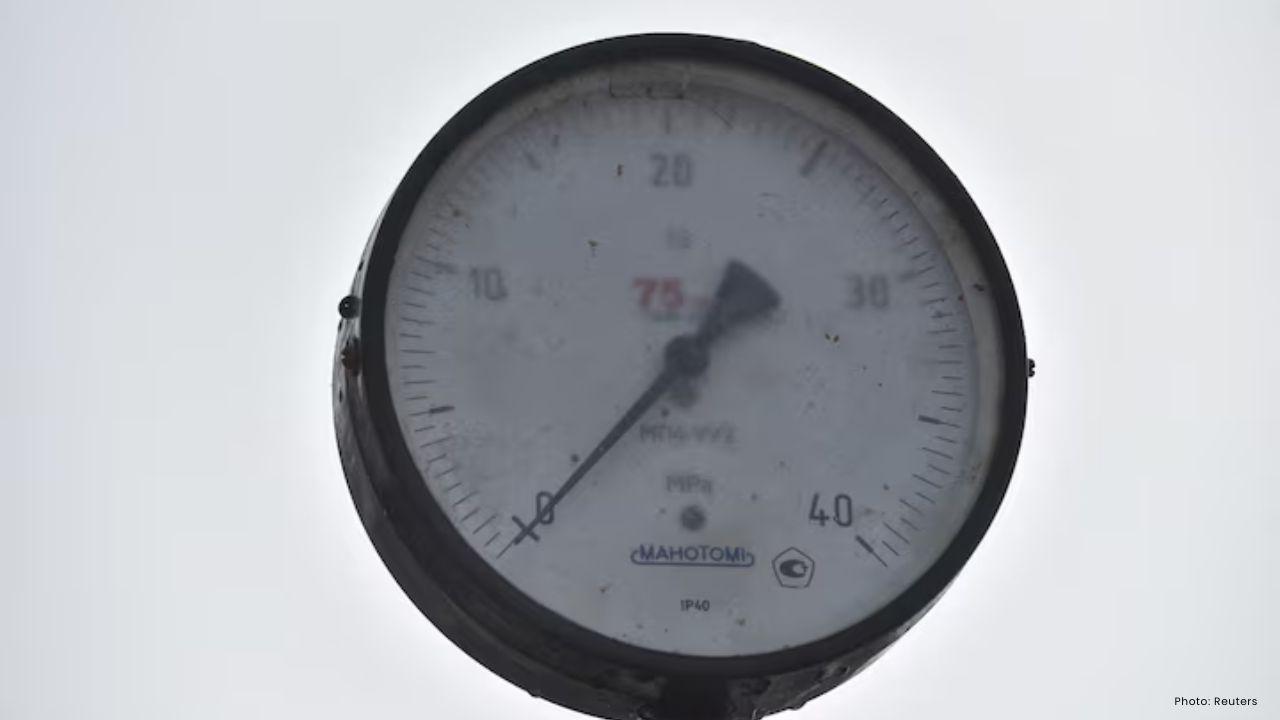
The ongoing war in the Middle East involving Iran, the United States, and Israel is affecting more than just politics and security. It is also creating worry about energy supplies in Europe. Norway’s energy minister recently warned that the conflict could reopen a long-standing debate in the European Union (EU) about whether to stop buying natural gas from Russia. This warning comes at a time when energy prices are rising and supplies are under pressure.
Europe has worked for years to reduce its dependence on Russian gas. After Russia’s invasion of Ukraine in 2022, EU countries agreed to phase out Russian gas imports by 2027. They have spent billions on new infrastructure and sought alternative sources of energy to protect their people from future supply shocks.
The war in Iran has helped push gas prices in Europe higher in recent days. Prices jumped sharply because the conflict has disrupted shipments of oil and liquefied natural gas (LNG) through the Persian Gulf. Qatar, one of the world’s largest exporters of LNG, halted production at a major plant after it was hit by a drone attack. This has added stress to an already tight global gas market.
The Persian Gulf is hugely important for global energy. A large share of the world’s oil and gas passes through the Strait of Hormuz, a narrow body of water near Iran. When shipping slows or stops, energy supplies to Europe and Asia can be affected. Even though Europe gets only a portion of its gas from the Gulf, the interconnected nature of global markets means that any disruption can cause price jumps far from the region.
Because of these challenges, Norway’s energy minister said the EU might have to revisit past decisions about energy sourcing. Many EU countries agreed to ban Russian gas to reduce dependence on Moscow and strengthen energy security. But the sudden rise in prices has brought back tough questions. Should Europe stick with its plan, or should it consider buying more Russian gas if supplies tighten again?
This debate is difficult and sensitive. Russia has been a major supplier of gas to Europe for decades. At times, Russian pipeline gas accounted for a large share of Europe’s energy mix. After the war in Ukraine began, the EU decided to cut most Russian imports because of political and moral reasons. But some policymakers have privately said they worry about what might happen if global energy supplies face more shocks.
At the same time, EU officials say they do not expect an immediate energy crisis from the Iran war. They have said that current oil and gas stocks are enough to meet demand, and that there is no immediate danger of shortages. But higher prices make energy more expensive for families and businesses across the continent.
The conflict also highlights Europe’s continued reliance on imported fuels. Despite building new liquefied natural gas terminals and developing more renewable energy, Europe still needs gas for heating, electricity, and industry. Because of this, sudden changes in global markets can hit European consumers hard.
Experts say that if the war continues, Europe could face even higher energy costs. This would make everyday life more expensive for many people. For example, families may pay more to heat their homes in winter, and industries could face higher production costs. Higher energy prices can also add to inflation, making goods and services more costly overall.
The current situation is a reminder that energy policy and geopolitics are deeply linked. Decisions about where energy comes from are not just economic; they are also political. Countries must balance security, cost, and long-term goals such as reducing carbon emissions. For Europe, this balance has become more complicated because of the war in the Middle East.
In the end, the EU must decide how to protect its people and its economy. Should it stay strong on its plan to stop buying Russian gas, or should it keep all options open in case of future crises? Norway’s warning is likely to spark lively discussions among European leaders in the weeks ahead.
The world watches closely as these debates unfold, because the decisions Europe makes about energy will matter not only for Europeans but for the global energy market as a whole.
#trending #latest #EnergyCrisis #Europe #RussianGas #IranWar #GasPrices #EU #EnergySecurity #GlobalMarkets #armustnews




Advances in Aerospace Technology and Commercial Aviation Recovery
Insights into breakthrough aerospace technologies and commercial aviation’s recovery amid 2025 chall

Defense Modernization and Strategic Spending Trends
Explore key trends in global defense modernization and strategic military spending shaping 2025 secu

Tens of Thousands Protest in Serbia on Anniversary of Deadly Roof Collapse
Tens of thousands in Novi Sad mark a year since a deadly station roof collapse that killed 16, prote

Canada PM Carney Apologizes to Trump Over Controversial Reagan Anti-Tariff Ad
Canadian PM Mark Carney apologized to President Trump over an Ontario anti-tariff ad quoting Reagan,

The ad that stirred a hornets nest, and made Canadian PM Carney say sorry to Trump
Canadian PM Mark Carney apologizes to US President Trump after a tariff-related ad causes diplomatic

Bengaluru-Mumbai Superfast Train Approved After 30-Year Wait
Railways approves new superfast train connecting Bengaluru and Mumbai, ending a 30-year demand, easi



