Post by : Avinab Raana
Photo : X / CNBC International
The ongoing Iran conflict has triggered one of the most significant energy disruptions in recent history, sending shockwaves across global transportation systems. As oil supply chains face unprecedented strain particularly through disruptions in critical routes like the Strait of Hormuz fuel prices have surged sharply, forcing governments, industries, and consumers to rethink their dependence on fossil fuels. This crisis is no longer just about energy, it is rapidly becoming a defining moment for the future of mobility worldwide.
With nearly 20% of global oil supply flowing through key maritime chokepoints now under pressure, the ripple effects are being felt across every mode of transportation. Fuel prices have risen sharply, increasing operating costs for airlines, shipping companies, and road transport networks. Analysts warn that prolonged disruptions could push oil prices toward historic highs, potentially exceeding $150–$200 per barrel in extreme scenarios. This surge is forcing industries to reconsider long-term strategies, as reliance on volatile fossil fuel markets becomes an increasing liability.
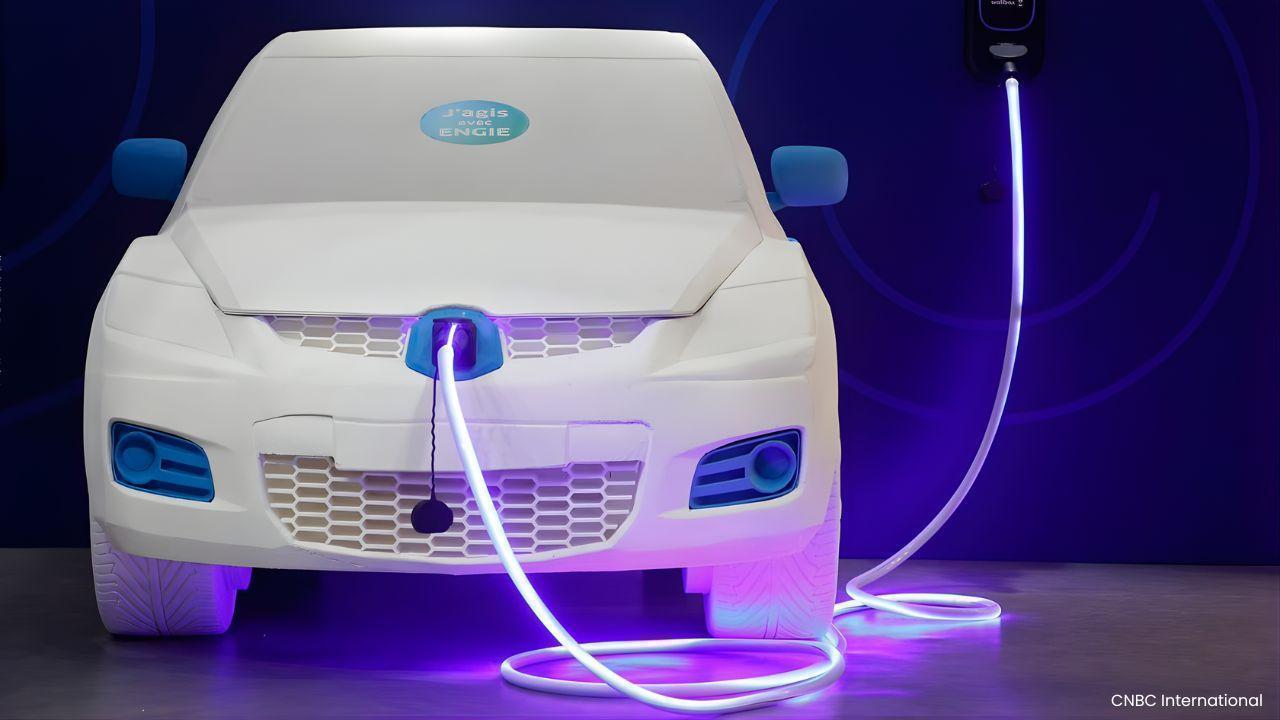
As petrol and diesel costs climb, electric vehicles are emerging as a clear alternative for cost-conscious consumers and governments alike. Across key regions such as Asia-Pacific, demand for EVs has surged dramatically, with some markets witnessing a sharp rise in consumer interest and financing applications. The logic is simple -electric mobility offers insulation from unpredictable fuel price shocks, making it an attractive long-term solution in an increasingly unstable energy landscape.
The crisis has also triggered policy-level responses, with governments actively encouraging a shift toward electric mobility and alternative energy systems. Countries heavily dependent on oil imports are now prioritizing electrification strategies to enhance energy security and reduce vulnerability to geopolitical disruptions. In markets like India, policymakers are urging the automotive sector to accelerate EV adoption, recognizing that reducing oil dependency is no longer just an environmental goal, it is a strategic necessity.
Interestingly, the crisis has created a paradox in global energy markets. While high fuel prices are pushing demand toward cleaner alternatives, some regions are simultaneously increasing fossil fuel production to meet immediate shortages. This dual response highlights the complex transition underway, where short-term energy security often clashes with long-term sustainability goals. However, the broader trend remains clear: repeated shocks are steadily accelerating the global shift toward cleaner and more resilient energy systems.
The Iran war may be remembered not just for its geopolitical consequences, but for the way it reshaped global transportation. By exposing the fragility of fossil fuel dependence, it is forcing a structural transformation in how energy and mobility intersect. Electric vehicles, renewable energy, and decentralized power systems are no longer futuristic concepts, they are rapidly becoming essential pillars of modern infrastructure. As the world adapts to this new reality, one thing is certain: the road ahead will be electric, and the shift has already begun.
#trending #latest,#EVRevolution #OilCrisis #ElectricTransport #EnergyTransition #GlobalMobility




Advances in Aerospace Technology and Commercial Aviation Recovery
Insights into breakthrough aerospace technologies and commercial aviation’s recovery amid 2025 chall

Defense Modernization and Strategic Spending Trends
Explore key trends in global defense modernization and strategic military spending shaping 2025 secu

Tens of Thousands Protest in Serbia on Anniversary of Deadly Roof Collapse
Tens of thousands in Novi Sad mark a year since a deadly station roof collapse that killed 16, prote

Canada PM Carney Apologizes to Trump Over Controversial Reagan Anti-Tariff Ad
Canadian PM Mark Carney apologized to President Trump over an Ontario anti-tariff ad quoting Reagan,

The ad that stirred a hornets nest, and made Canadian PM Carney say sorry to Trump
Canadian PM Mark Carney apologizes to US President Trump after a tariff-related ad causes diplomatic

Bengaluru-Mumbai Superfast Train Approved After 30-Year Wait
Railways approves new superfast train connecting Bengaluru and Mumbai, ending a 30-year demand, easi



