Post by : Avinab Raana
Photo : X / Splash
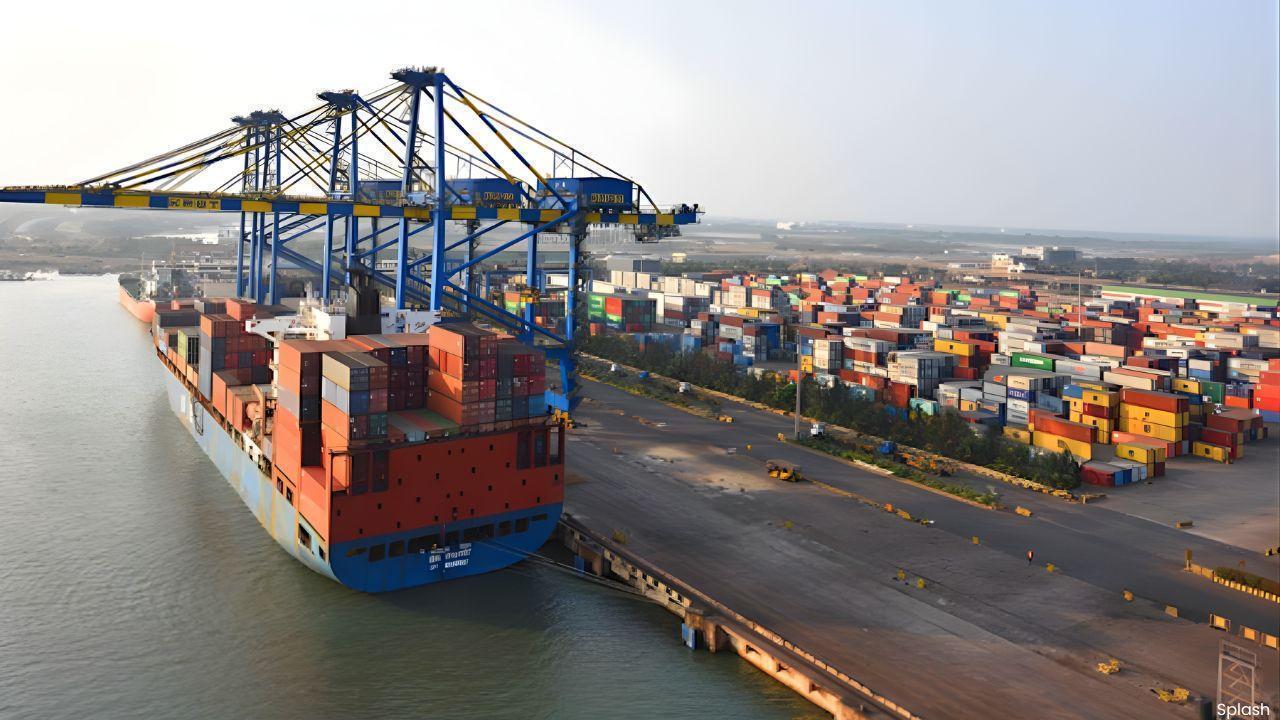
In a bold strategic shift that could reshape the global maritime insurance landscape, India has launched the ₹12,980 crore Bharat Maritime Insurance Pool, a move aimed at challenging the long-standing dominance of global Protection and Indemnity (P&I) insurers and securing the country’s shipping ecosystem against rising geopolitical uncertainties. This landmark decision is not just about insurance. It is about sovereignty, resilience, and control over one of the most critical pillars of global trade. At a time when conflicts, sanctions, and volatile sea routes are disrupting traditional insurance availability, India’s entry into the maritime risk coverage space signals a powerful intent to safeguard its shipping interests and ensure uninterrupted trade flows. The initiative positions India as not just a participant but a strategic player in global maritime risk management.
For decades, India’s shipping industry has relied heavily on international P&I clubs primarily dominated by Western insurers for coverage of third-party liabilities such as oil spills, cargo damage, and crew safety. This dependence has increasingly become a vulnerability, especially in times of geopolitical tension when coverage can be withdrawn or premiums surge unpredictably. The newly formed Bharat Maritime Insurance Pool directly addresses this challenge by creating a domestic mechanism capable of offering comprehensive coverage to Indian-linked vessels, thereby reducing reliance on foreign entities and strengthening national control over maritime risk management.
The pool is designed to provide end-to-end insurance coverage across a wide spectrum of maritime risks, including hull and machinery damage, cargo loss, protection and indemnity liabilities, and even war-related risks. This broad coverage is particularly significant in today’s environment, where shipping routes especially through sensitive regions are increasingly exposed to conflict-related disruptions. By ensuring that vessels operating to and from Indian ports remain insured even under volatile conditions, the initiative guarantees continuity of trade, which is vital for an economy heavily dependent on maritime imports and exports.
What makes this initiative structurally robust is its collaborative framework, bringing together multiple domestic insurers under a unified pool supported by a sovereign guarantee. With an underwriting capacity built collectively by participating insurers, the model spreads risk while ensuring financial stability. The involvement of state-backed entities alongside private players creates a hybrid system that combines credibility with operational flexibility. This approach is expected to not only reduce insurance costs for Indian shipping companies but also build specialized expertise in marine underwriting, claims management, and maritime law within the country.
The timing of this move is critical. Global maritime trade has been under pressure due to escalating geopolitical tensions, particularly in key shipping corridors where insurance risks have surged. Rising premiums and reduced coverage availability have already impacted shipping operations worldwide, forcing many operators to rethink routes and strategies. India’s decision to establish its own insurance pool comes as a proactive response to these challenges, ensuring that its shipping sector remains insulated from external shocks while maintaining operational continuity in an increasingly unpredictable global environment.
The launch of the Bharat Maritime Insurance Pool marks more than just a policy shift, it represents a decisive step toward building a self-reliant maritime ecosystem that can withstand global disruptions and assert strategic independence. By localizing risk coverage and reducing dependency on international insurers, India is not only protecting its trade but also laying the foundation for a more resilient and competitive shipping industry. As this initiative unfolds, its impact will extend far beyond national boundaries, potentially influencing how other emerging economies approach maritime insurance and risk management. In many ways, this ₹12,980 crore move is not just about insuring ships. It is about securing the future of India’s role in global trade, where resilience, control, and strategic foresight define the next era of maritime dominance.
#trending #latest#MaritimeInsurance #IndiaShipping #PIInsurance #ShippingIndustry #GlobalTrade








Advances in Aerospace Technology and Commercial Aviation Recovery
Insights into breakthrough aerospace technologies and commercial aviation’s recovery amid 2025 chall

Defense Modernization and Strategic Spending Trends
Explore key trends in global defense modernization and strategic military spending shaping 2025 secu

Tens of Thousands Protest in Serbia on Anniversary of Deadly Roof Collapse
Tens of thousands in Novi Sad mark a year since a deadly station roof collapse that killed 16, prote

Canada PM Carney Apologizes to Trump Over Controversial Reagan Anti-Tariff Ad
Canadian PM Mark Carney apologized to President Trump over an Ontario anti-tariff ad quoting Reagan,

The ad that stirred a hornets nest, and made Canadian PM Carney say sorry to Trump
Canadian PM Mark Carney apologizes to US President Trump after a tariff-related ad causes diplomatic

Bengaluru-Mumbai Superfast Train Approved After 30-Year Wait
Railways approves new superfast train connecting Bengaluru and Mumbai, ending a 30-year demand, easi



