Post by : Avinab Raana
Photo : X / The Maritime
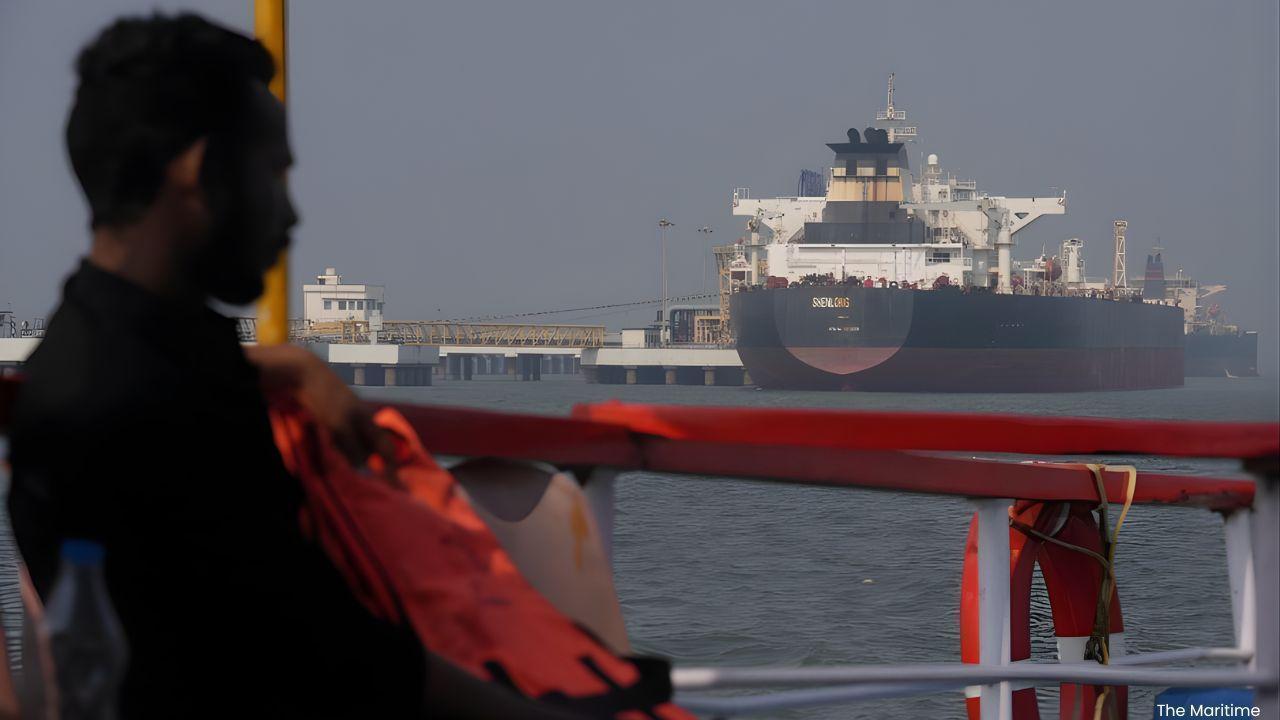
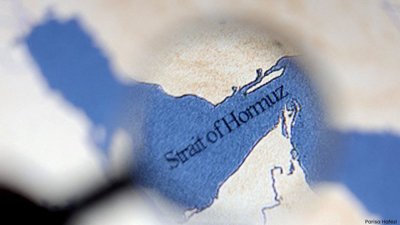
One of the world’s most critical energy lifelines has nearly come to a standstill, as shipping through the Strait of Hormuz collapses by 95%, transforming a once-busy corridor into a tightly controlled and highly selective passage. What used to see hundreds of vessels daily is now witnessing only a handful of ships navigating through, revealing a stark new reality where geopolitics dictates what cargo moves and what stays stranded.
The scale of disruption is unprecedented, with vessel crossings dropping sharply since the conflict escalated, leaving only a fraction of normal maritime traffic operational. Data indicates that only limited cargo ships are now passing through the strait, with the majority of global shipping companies suspending operations due to security risks and insurance constraints. This dramatic slowdown highlights how quickly a geopolitical flashpoint can choke a trade route responsible for a significant share of global oil and gas movement.
Despite the near shutdown, the cargo that continues to move is highly concentrated and strategic in nature. Oil and gas shipments particularly crude oil, LPG, and LNG make up the bulk of the remaining traffic, with tankers dominating the limited crossings recorded in recent weeks. Most of these shipments are moving eastward toward Asian markets, underlining the continued demand from major economies even amid severe disruptions.
A striking feature of the current situation is the dominance of sanctioned and “shadow fleet” vessels in the remaining traffic. A significant proportion of ships transiting the strait are either under international sanctions or operating under special approvals, reflecting a parallel system of trade that has emerged under crisis conditions. These vessels often operate under different flags or routes, navigating closer to controlled waters to ensure safe passage through the restricted corridor.
Beyond energy cargo, only a small number of bulk carriers and container ships are making the journey, carrying essential commodities such as grains or industrial goods. However, their presence remains minimal compared to pre-crisis levels, indicating that non-essential trade has largely been halted. This selective movement reinforces the idea that only critical cargo with strategic or economic importance is being prioritised.
The flow of cargo through Hormuz is no longer governed purely by market forces but by geopolitical alignment and approval mechanisms. Ships linked to certain countries or operating under specific permissions are more likely to transit, while others remain anchored or rerouted. This shift has effectively turned the strait into a controlled gateway, where access is dictated by strategic considerations rather than commercial demand alone.
The dramatic collapse in shipping through the Strait of Hormuz is more than a temporary disruption, it signals a structural shift in how global trade operates under conflict conditions. With energy cargo dominating the limited movement and shadow fleets filling the gaps, the crisis is redefining maritime logistics in real time. As tensions persist, the question is no longer just what cargo is moving but how long the world can sustain such a fragile and restricted flow of trade.
Strait of Hormuz cargo, shipping drop 95%, oil tanker traffic crisis, LNG cargo routes, shadow fleet tankers, global energy trade disruption, maritime chokepoint crisis


Advances in Aerospace Technology and Commercial Aviation Recovery
Insights into breakthrough aerospace technologies and commercial aviation’s recovery amid 2025 chall

Defense Modernization and Strategic Spending Trends
Explore key trends in global defense modernization and strategic military spending shaping 2025 secu

Tens of Thousands Protest in Serbia on Anniversary of Deadly Roof Collapse
Tens of thousands in Novi Sad mark a year since a deadly station roof collapse that killed 16, prote

Canada PM Carney Apologizes to Trump Over Controversial Reagan Anti-Tariff Ad
Canadian PM Mark Carney apologized to President Trump over an Ontario anti-tariff ad quoting Reagan,

The ad that stirred a hornets nest, and made Canadian PM Carney say sorry to Trump
Canadian PM Mark Carney apologizes to US President Trump after a tariff-related ad causes diplomatic

Bengaluru-Mumbai Superfast Train Approved After 30-Year Wait
Railways approves new superfast train connecting Bengaluru and Mumbai, ending a 30-year demand, easi



