Post by : Amit
Strategic Expansion into Southeast Asia
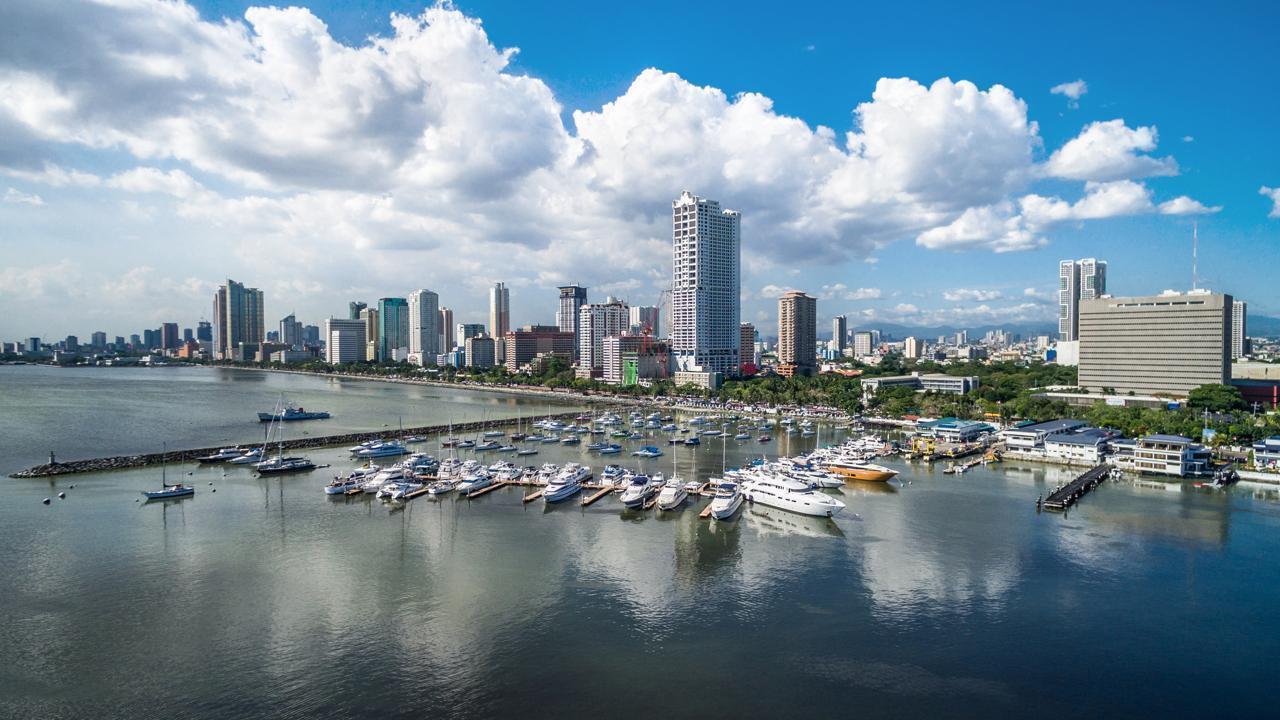
HD Hyundai, one of the world’s largest shipbuilders, is preparing to begin operations in its first Philippine shipyard by 2026. The move is part of the company’s long-term strategy to expand its global manufacturing footprint, tap into cost-effective labor markets, and strengthen its position in the competitive global marine construction sector. The facility will be located in the Subic Bay Freeport Zone, a strategic maritime hub with direct access to deepwater ports and major Asian shipping routes.
This investment not only marks HD Hyundai’s entry into the Philippine shipbuilding market but also signals a growing shift of heavy manufacturing capacity toward Southeast Asia, where governments are offering favorable business conditions, tax incentives, and infrastructure support.
Partnership and Local Support
The project is being developed in collaboration with the Philippine government and local stakeholders, with an emphasis on creating long-term economic benefits for the region. Officials have confirmed that the shipyard will generate thousands of direct and indirect jobs once operational, ranging from engineering and manufacturing roles to logistics and supply chain support.
Philippine President Ferdinand Marcos Jr. has hailed the investment as a key driver for national industrial growth. “This is a significant milestone in the Philippines’ ambition to become a global hub for maritime construction and repair,” Marcos said. “It aligns perfectly with our vision to modernize infrastructure, expand industrial capabilities, and create sustainable employment for our people.”
Global Competitive Edge
For HD Hyundai, the new facility is designed to enhance production efficiency and provide a competitive edge in the global shipbuilding market. The Subic Bay location offers cost advantages in both labor and operations, while also being geographically closer to emerging shipping markets in Southeast Asia, Oceania, and South Asia.
Industry analysts believe the shipyard will focus on a mix of vessel types, including bulk carriers, container ships, and specialized offshore support vessels. Additionally, with rising global demand for low-emission and environmentally compliant ships, the facility is expected to incorporate green shipbuilding technologies and eco-friendly production processes.
Technology-Driven Operations
HD Hyundai has announced that the Philippine shipyard will integrate advanced shipbuilding automation, digital twin technology, and AI-powered quality control systems. These measures aim to streamline construction timelines, reduce material waste, and ensure precision in manufacturing.
Digital twin technology will allow engineers to simulate the construction process virtually before physical assembly begins, identifying potential design flaws or inefficiencies early on. This technological approach mirrors Hyundai’s innovation-driven strategy in its South Korean yards, adapted here to suit the regional workforce and market needs.
Environmental Sustainability Goals
Sustainability will be a key pillar of the project. The shipyard is set to include a renewable energy component, relying partly on solar power and other clean energy sources to reduce carbon emissions during operations. HD Hyundai has committed to aligning the facility’s operations with global decarbonization standards, aiming for compliance with the International Maritime Organization’s (IMO) 2050 greenhouse gas reduction targets.
Furthermore, the yard’s design will incorporate advanced wastewater treatment systems and responsible material sourcing, reflecting a shift in the shipbuilding industry toward greener practices.
Boost to the Philippine Maritime Sector
The arrival of HD Hyundai in Subic Bay could have a catalytic effect on the Philippine maritime sector. The country already has a strong reputation for ship repair and maintenance services, particularly through its existing facilities in Subic and Cebu. However, large-scale shipbuilding has been less prominent. With Hyundai’s investment, the Philippines could diversify from repair services to becoming a competitive builder of large ocean-going vessels.
Local universities and technical institutes are expected to benefit from partnerships with HD Hyundai, offering maritime engineering and vocational training programs tailored to the new facility’s needs. This collaboration could produce a new generation of skilled Filipino shipbuilders, ensuring the industry’s long-term sustainability.
Regional and Economic Impact
Economists project that the shipyard could contribute billions of pesos annually to the local economy once fully operational. Beyond job creation, the investment will attract ancillary industries such as steel production, paint and coating suppliers, marine electronics manufacturers, and logistics providers.
Additionally, Subic Bay’s location gives HD Hyundai a logistical advantage in serving both the Pacific and Indian Ocean markets. The yard’s proximity to major shipping lanes will reduce transit times for delivering completed vessels, thereby enhancing competitiveness.
Strengthening South Korea–Philippines Ties
This expansion also underscores the strengthening economic ties between South Korea and the Philippines. The two nations have been deepening cooperation in trade, infrastructure, and defense, and the shipyard project is expected to be a flagship example of this partnership.
The Philippine government has expressed its commitment to ensuring smooth regulatory processes, providing workforce training programs, and maintaining robust infrastructure support for the project.
Issues to Address
While the prospects are promising, there are challenges to address. The global shipbuilding market is cyclical, with demand heavily influenced by international trade volumes and shipping rates. Any downturn could impact order books. Additionally, rising competition from China and Vietnam means that cost efficiency and technological advancement will be critical to the yard’s success.
Labor training will also be a significant undertaking, as the transition from a repair-focused industry to full-scale shipbuilding requires a wider range of technical skills. HD Hyundai has indicated plans to bring in experienced trainers from its South Korean facilities to ensure high-quality workforce development.
Industry Reactions
Maritime industry leaders have welcomed the news, noting that the investment reinforces the Philippines’ role in the global shipping supply chain. “This is a game-changer for our country’s maritime industry,” said Mark Lim, a senior analyst at the Philippine Shipbuilders Association. “It not only positions us for bigger roles in ship construction but also encourages foreign investors to look at the Philippines as a viable base for large-scale manufacturing.”
Shipowners and operators in the region are also watching closely, as the facility could provide faster and more cost-effective vessel delivery options compared to traditional shipyards in East Asia.
Looking Toward 2026 and Beyond
With construction expected to start in late 2024, the Subic Bay shipyard is projected to be fully operational by early 2026. HD Hyundai aims to secure its first contracts for vessel production before the facility’s official opening, ensuring a steady workflow from day one.
If successful, the venture could pave the way for additional investment in the Philippines’ shipbuilding sector, including specialized yards for LNG carriers, offshore wind installation vessels, and other niche maritime segments.
By blending South Korean technological expertise with Filipino craftsmanship, HD Hyundai hopes to set a new benchmark in global shipbuilding efficiency and environmental responsibility.
Philippines Port, Shipping






Advances in Aerospace Technology and Commercial Aviation Recovery
Insights into breakthrough aerospace technologies and commercial aviation’s recovery amid 2025 chall

Defense Modernization and Strategic Spending Trends
Explore key trends in global defense modernization and strategic military spending shaping 2025 secu

Tens of Thousands Protest in Serbia on Anniversary of Deadly Roof Collapse
Tens of thousands in Novi Sad mark a year since a deadly station roof collapse that killed 16, prote

Canada PM Carney Apologizes to Trump Over Controversial Reagan Anti-Tariff Ad
Canadian PM Mark Carney apologized to President Trump over an Ontario anti-tariff ad quoting Reagan,

The ad that stirred a hornets nest, and made Canadian PM Carney say sorry to Trump
Canadian PM Mark Carney apologizes to US President Trump after a tariff-related ad causes diplomatic

Bengaluru-Mumbai Superfast Train Approved After 30-Year Wait
Railways approves new superfast train connecting Bengaluru and Mumbai, ending a 30-year demand, easi



