Post by : Saif
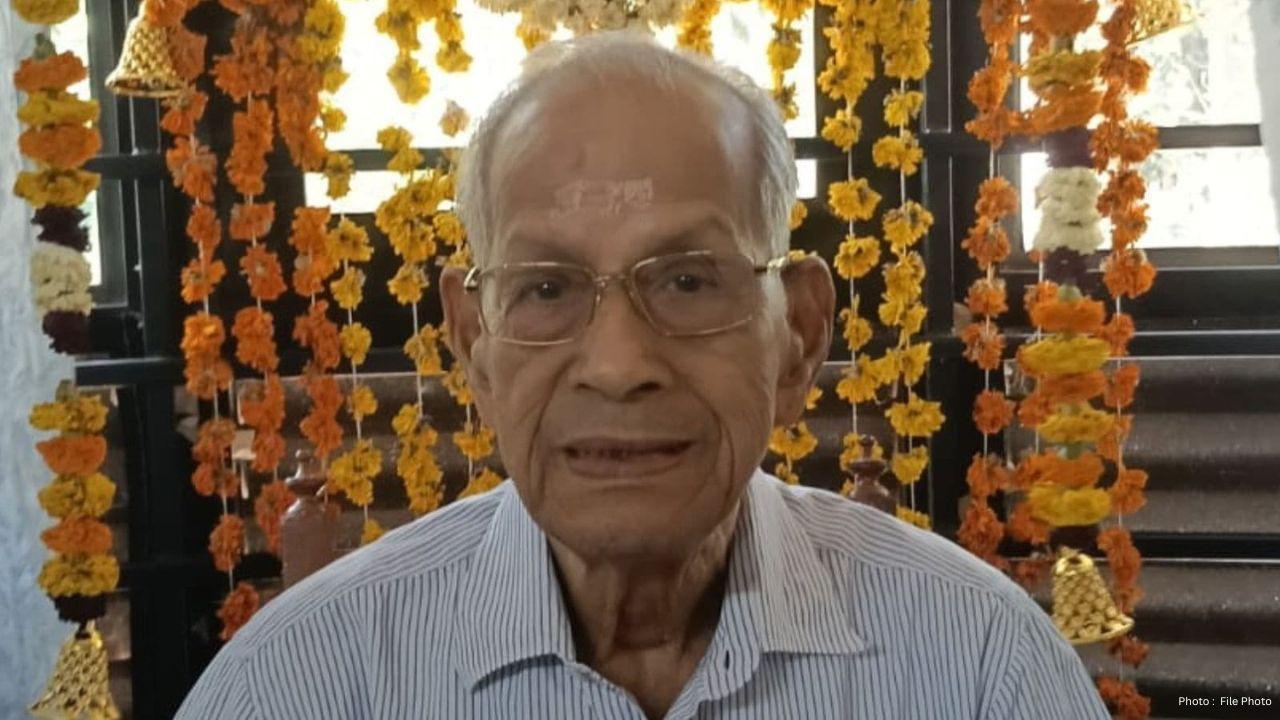
Kerala's long-discussed high-speed rail project has returned to the national spotlight following renewed support from renowned engineer E. Sreedharan. The proposal, which aims to connect Thiruvananthapuram and Kannur through a modern rail corridor, has once again sparked debate about the future of transportation, economic development, and infrastructure planning in the state.
The project is being viewed by many as a potential solution to one of Kerala's biggest challenges—limited transportation capacity along its narrow and densely populated corridor. With growing urbanization, increasing vehicle numbers, and rising travel demand, existing road and rail networks are facing significant pressure. Supporters believe a modern rapid transit system could help address these issues while preparing the state for future growth.
The proposed route would connect major cities and economic centers across Kerala. Faster travel between northern and southern districts could significantly reduce journey times, making daily commuting and business travel more convenient. Improved connectivity would also strengthen links between educational institutions, healthcare facilities, commercial centers, and tourist destinations.
E. Sreedharan, often referred to as the "Metro Man" of India because of his contribution to several major transportation projects, has consistently argued that Kerala requires a long-term infrastructure vision. According to supporters of the proposal, the state cannot rely solely on road expansion to meet future transportation needs. They believe advanced rail systems offer a more sustainable solution for handling growing passenger movement.
One of the strongest arguments in favor of the corridor is efficiency. Kerala's population is spread across a relatively narrow strip of land stretching from north to south. This unique geography often creates congestion on highways and conventional rail routes. A dedicated high-speed network could ease pressure on existing infrastructure while providing faster and more reliable travel options.
Economic benefits are also an important part of the discussion. Large infrastructure projects often generate employment during construction and create opportunities for businesses once operations begin. Improved mobility can encourage investment, support tourism, and strengthen regional development. Faster transportation links may also help smaller cities attract industries and services that were previously concentrated in larger urban centers.
The tourism sector could be among the major beneficiaries. Kerala is one of India's most popular travel destinations, attracting visitors from across the country and around the world. Better transportation would allow tourists to move more easily between beaches, hill stations, cultural attractions, and backwater destinations. This could increase visitor spending and support local economies.
However, the project is not without challenges. Concerns regarding land acquisition, environmental impact, and financial costs continue to be part of the public debate. Large-scale transportation projects require careful planning to minimize disruption to communities and natural ecosystems. Many residents want assurances that development will be balanced with environmental protection.
Financial feasibility is another key issue. Building a modern rail corridor requires significant investment. Policymakers must carefully evaluate funding options, projected passenger demand, and long-term economic returns before making final decisions. Public confidence often depends on transparent planning and clear communication about costs and benefits.
Environmental considerations are especially important in Kerala, a state known for its rich biodiversity and sensitive ecological zones. Supporters argue that modern rail transport can reduce dependence on road vehicles and lower carbon emissions over time. Critics, however, stress the need for detailed environmental assessments before major construction begins.
discussion surrounding the project also reflects a broader national conversation about infrastructure modernization. India has invested heavily in transportation development over the past decade, including highways, airports, metro systems, and railway upgrades. High-speed rail is increasingly being viewed as part of the country's long-term economic strategy.
For ordinary citizens, the central question is whether the project can improve quality of life. Faster travel, reduced congestion, and greater economic opportunities are attractive goals. At the same time, residents expect responsible planning that protects communities and ensures public resources are used effectively.
Renewed attention on Kerala's high-speed rail corridor highlights the importance of forward-looking infrastructure planning. As the state's population grows and transportation needs increase, policymakers face difficult decisions about how best to support future development. A modern rail network could offer significant benefits, but its success will depend on careful execution, financial sustainability, and public trust.
The proposal represents more than just a transportation project. It reflects a broader vision for Kerala's future—one that seeks to combine economic growth, improved connectivity, and sustainable development. Whether the plan moves forward in its current form or evolves through further discussion, the debate itself underscores the growing need for innovative solutions to meet the state's changing needs.
#trending #latest #Kerala #HighSpeedRail #KeralaRailProject #ESreedharan #IndianRailways #InfrastructureDevelopment #RailTransport #KeralaDevelopment #TransportationNews #IndiaInfrastructure #PublicTransport




Advances in Aerospace Technology and Commercial Aviation Recovery
Insights into breakthrough aerospace technologies and commercial aviation’s recovery amid 2025 chall

Defense Modernization and Strategic Spending Trends
Explore key trends in global defense modernization and strategic military spending shaping 2025 secu

Tens of Thousands Protest in Serbia on Anniversary of Deadly Roof Collapse
Tens of thousands in Novi Sad mark a year since a deadly station roof collapse that killed 16, prote

Canada PM Carney Apologizes to Trump Over Controversial Reagan Anti-Tariff Ad
Canadian PM Mark Carney apologized to President Trump over an Ontario anti-tariff ad quoting Reagan,

The ad that stirred a hornets nest, and made Canadian PM Carney say sorry to Trump
Canadian PM Mark Carney apologizes to US President Trump after a tariff-related ad causes diplomatic

Bengaluru-Mumbai Superfast Train Approved After 30-Year Wait
Railways approves new superfast train connecting Bengaluru and Mumbai, ending a 30-year demand, easi



