Post by : Avinab Raana
Photo : X / Bloomberg
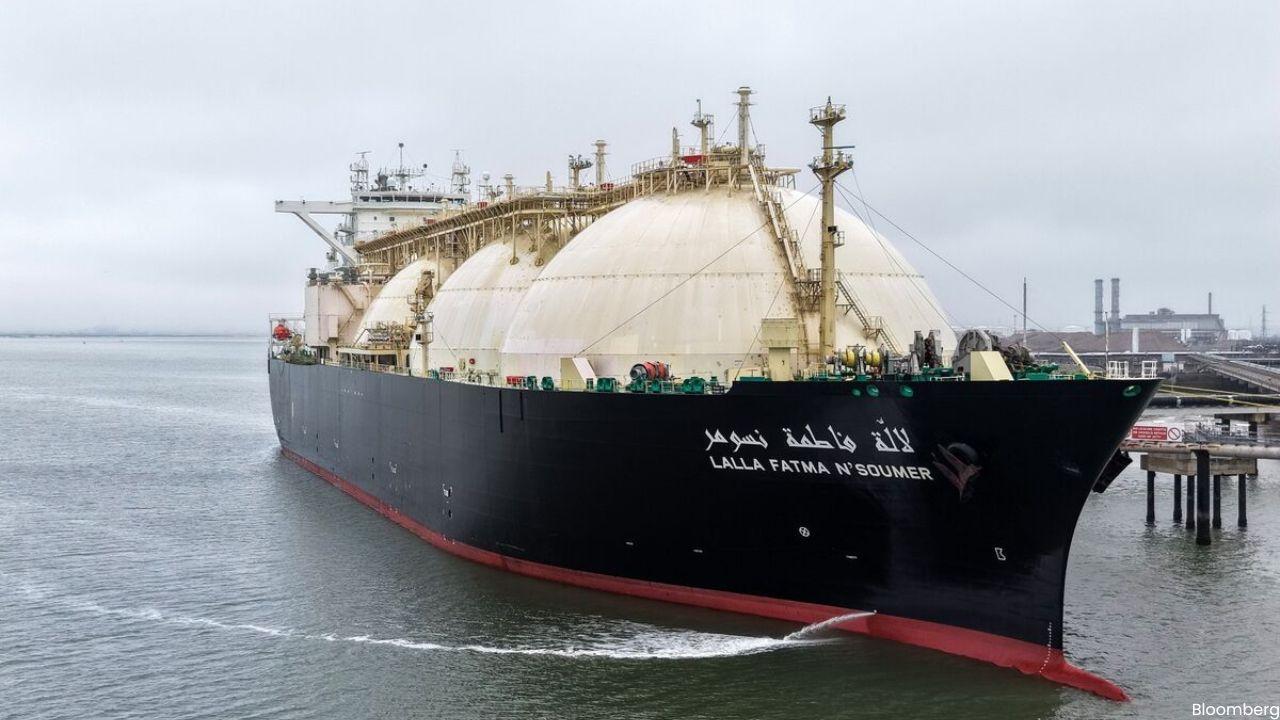
The global energy market is facing a sharp jolt as LNG exports plunge to a six-month low, with the ongoing West Asia conflict choking supply chains and sending shockwaves across international markets. What was once a steadily growing supply network has suddenly turned fragile, exposing how quickly geopolitical tensions can disrupt critical energy lifelines.
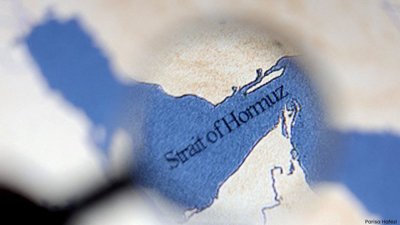
The decline in LNG exports has been steep and immediate, with global shipments dropping nearly 20% to around 1.1 million tonnes in recent weeks . The primary blow has come from Qatar, the world’s leading LNG exporter, where production and export operations have been severely disrupted following attacks on key infrastructure. At the same time, the effective closure of the Strait of Hormuz has prevented shipments from moving freely, tightening global supply further .
The Strait of Hormuz plays a crucial role in global LNG trade, acting as a gateway for a significant portion of the world’s gas shipments. With this route compromised, exporters in the Gulf, including Qatar and the UAE, are struggling to deliver cargo to key markets in Asia and Europe. The disruption highlights the vulnerability of global energy systems that depend heavily on a few critical maritime corridors.
The supply squeeze has triggered a sharp response in global markets, with gas prices surging across regions. European storage levels are already under pressure, while Asian buyers are competing aggressively for limited cargo, intensifying price volatility. The situation is further complicated by the inability of other major exporters, including the United States, to fully offset the loss of Middle Eastern supply .
The crisis is not just about short-term shortages, it is reshaping energy security strategies worldwide. Countries heavily dependent on LNG imports are now scrambling to secure alternative supplies, while some regions are turning back to coal and other fuels to bridge the gap. The disruption underscores the risks of relying on geopolitically sensitive supply routes for essential energy needs.
As LNG exports continue to struggle under the weight of conflict, the global energy market finds itself at a critical turning point. The current disruption is a stark reminder that energy security is deeply tied to geopolitical stability. Until tensions ease and supply routes normalize, volatility is likely to remain the defining feature of the global LNG landscape.
LNG exports decline, global LNG crisis, Strait of Hormuz disruption, West Asia war energy, LNG supply shortage, global gas prices surge, energy security crisis



Advances in Aerospace Technology and Commercial Aviation Recovery
Insights into breakthrough aerospace technologies and commercial aviation’s recovery amid 2025 chall

Defense Modernization and Strategic Spending Trends
Explore key trends in global defense modernization and strategic military spending shaping 2025 secu

Tens of Thousands Protest in Serbia on Anniversary of Deadly Roof Collapse
Tens of thousands in Novi Sad mark a year since a deadly station roof collapse that killed 16, prote

Canada PM Carney Apologizes to Trump Over Controversial Reagan Anti-Tariff Ad
Canadian PM Mark Carney apologized to President Trump over an Ontario anti-tariff ad quoting Reagan,

The ad that stirred a hornets nest, and made Canadian PM Carney say sorry to Trump
Canadian PM Mark Carney apologizes to US President Trump after a tariff-related ad causes diplomatic

Bengaluru-Mumbai Superfast Train Approved After 30-Year Wait
Railways approves new superfast train connecting Bengaluru and Mumbai, ending a 30-year demand, easi



