Post by : Avinab Raana
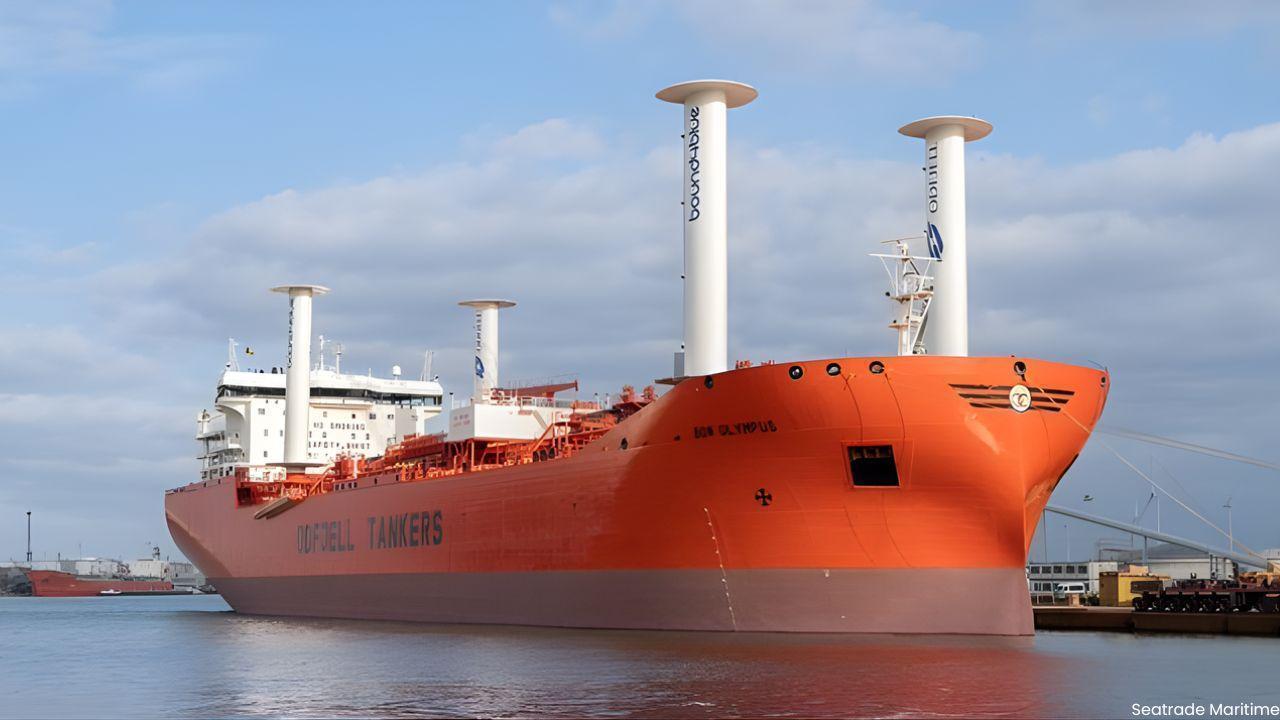
Photo : X / Seatrade Maritime
A sharp and unprecedented surge in marine fuel prices is now forcing the global shipping industry into a critical transformation phase, where efficiency is no longer optional, it is survival. As geopolitical disruptions continue to destabilize energy supply chains, bunker fuel costs have surged dramatically, placing immense financial pressure on shipowners and operators across the world.
This sudden cost escalation is reshaping operational strategies, compelling companies to rethink how vessels consume fuel, operate routes, and deliver cargo. What was once a gradual sustainability transition has now turned into an urgent, industry-wide shift driven by economics rather than regulation.
While rising fuel prices present a major challenge, they are simultaneously accelerating the adoption of energy-efficient technologies. Higher fuel costs significantly shorten the return-on-investment period for retrofitting ships with efficiency-enhancing systems, making upgrades more financially viable than ever before.
Technologies such as advanced propeller systems, hull optimization, air lubrication, and wind-assisted propulsion are now gaining renewed attention. These retrofits, once considered long-term investments, are quickly becoming immediate priorities as operators seek to offset soaring fuel expenses.
At the heart of this crisis lies a deep disruption in global energy infrastructure, particularly in the Middle East—a region critical to oil and LNG supply. Damage to key facilities and export capacities has created a ripple effect across global shipping, tightening fuel availability and driving prices upward.
With a significant share of LNG exports impacted and multiple oil-producing regions facing operational setbacks, the shipping industry is confronting a new reality of prolonged high fuel costs. This has fundamentally altered long-term planning, pushing companies toward structural efficiency improvements rather than temporary cost adjustments.
In this evolving landscape, retrofitting existing vessels has emerged as the fastest and most practical solution. Unlike new shipbuilding which requires years of investment and delivery timelines retrofits can deliver immediate efficiency gains across the existing global fleet.
Industry insights suggest that the longer conventionally fueled vessels remain in service, the stronger the pressure to retrofit them becomes, especially as sustainability expectations from cargo owners and charterers continue to rise.Moreover, global data indicates that higher fuel prices have historically driven improvements in ship efficiency, reinforcing the economic logic behind current retrofit trends.
Ironically, the fuel crisis is accelerating the very sustainability transition that some industry stakeholders had resisted. As fuel costs rise, alternative fuels and energy-efficient systems are becoming not just environmentally necessary but financially unavoidable.
Major shippers are now intensifying their focus on Scope 3 emissions, placing additional pressure on shipping lines to adopt cleaner and more efficient operations. This shift is redefining competitiveness in maritime logistics, where sustainability is increasingly linked to commercial viability.
The message emerging from this crisis is clear: doing nothing is no longer an option. Shipowners must urgently evaluate retrofit strategies, collaborate with stakeholders, and invest in technologies that deliver measurable efficiency gains.
As fuel prices stabilize at higher levels, the industry is likely to witness a sustained wave of retrofitting, innovation, and operational transformation. In the long run, this could mark a turning point—where economic pressure becomes the strongest catalyst for building a cleaner, smarter, and more resilient global shipping ecosystem.
#trending #latest,#ShipEfficiency #FuelPrices #MaritimeSustainability #GreenShipping #Retrofits









Advances in Aerospace Technology and Commercial Aviation Recovery
Insights into breakthrough aerospace technologies and commercial aviation’s recovery amid 2025 chall

Defense Modernization and Strategic Spending Trends
Explore key trends in global defense modernization and strategic military spending shaping 2025 secu

Tens of Thousands Protest in Serbia on Anniversary of Deadly Roof Collapse
Tens of thousands in Novi Sad mark a year since a deadly station roof collapse that killed 16, prote

Canada PM Carney Apologizes to Trump Over Controversial Reagan Anti-Tariff Ad
Canadian PM Mark Carney apologized to President Trump over an Ontario anti-tariff ad quoting Reagan,

The ad that stirred a hornets nest, and made Canadian PM Carney say sorry to Trump
Canadian PM Mark Carney apologizes to US President Trump after a tariff-related ad causes diplomatic

Bengaluru-Mumbai Superfast Train Approved After 30-Year Wait
Railways approves new superfast train connecting Bengaluru and Mumbai, ending a 30-year demand, easi



