Post by : Avinab Raana
Photo : X / @yaesakura2019
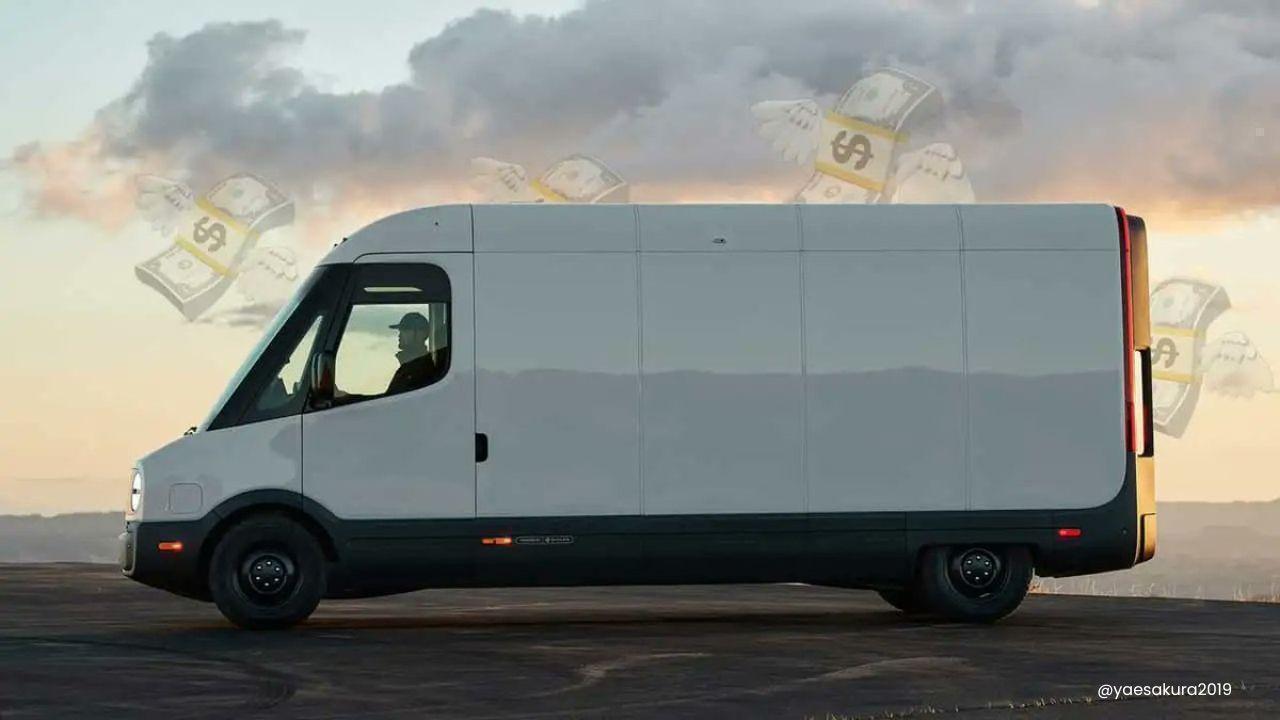
Electric vehicles are rapidly shifting from experimental technology to a powerful cost-saving tool for businesses. Recent analysis suggests that companies switching from traditional fuel-powered vehicles to electric alternatives could reduce fleet operating costs by nearly 50 percent. This dramatic financial advantage is now accelerating EV fleet adoptionacross industries that rely heavily on transportation, including logistics, delivery, public mobility, and corporate services.
For fleet operators, every kilometer driven translates into fuel expenses, maintenance costs, and vehicle downtime. When hundreds or even thousands of vehicles are involved, those costs can quickly escalate. The promise of major fleet electrification savings is therefore attracting attention from businesses searching for long-term efficiency and financial stability in an increasingly competitive market.
The primary driver of this shift lies in the concept of EV total cost of ownership. While electric vehicles can sometimes carry a higher upfront purchase price, their long-term operational expenses are significantly lower compared with conventional vehicles.
Electric motors contain far fewer moving components than internal combustion engines. This simplicity reduces maintenance needs and lowers the likelihood of mechanical failure. Fleet operators often report fewer service visits, lower parts replacement costs, and reduced downtime once vehicles transition to electric power.
Fuel costs also play a crucial role. Electricity is typically cheaper than gasoline or diesel when calculated on a per-mile basis. For companies operating large fleets that travel long distances each day, the difference can translate into substantial annual savings. When combined with lower maintenance requirements, the potential for EV fleet cost reduction becomes clear.
Among all fleet categories, delivery vehicles and light commercial vans are emerging as the strongest candidates for electrification. These vehicles typically operate within cities, travel predictable routes, and return to central depots at the end of the day.
Such operational patterns make battery electric vans particularly efficient for logistics companies. Businesses can install dedicated charging infrastructure at distribution centers and ensure vehicles recharge overnight, ready for the next day’s operations.
This predictable usage pattern allows companies to optimize the benefits of commercial EV fleets while minimizing operational disruptions. As e-commerce continues expanding globally, delivery companies are rapidly growing their fleets—creating a major opportunity for electrification.
Corporate fleet operators represent one of the most influential segments in the automotive market. Large organizations purchase vehicles in bulk and replace them on regular cycles, meaning their decisions can significantly impact vehicle production trends.
As more companies explore corporate fleet electrification, automakers are responding by developing new models specifically designed for commercial use. These vehicles prioritize durability, cargo capacity, and operational efficiency—features that matter most to fleet managers.
When large corporations adopt electric vehicles at scale, the ripple effects extend far beyond individual businesses. It encourages charging infrastructure expansion, boosts EV manufacturing capacity, and accelerates innovation across the entire automotive ecosystem.
One of the biggest concerns surrounding electric fleet transition has historically been charging infrastructure. Fleet managers worried about whether vehicles could recharge quickly and reliably enough to maintain operational schedules.
However, infrastructure development has accelerated dramatically in recent years. Cities and private companies are investing heavily in charging networks, while fleet operators are installing depot charging systems tailored specifically to their operational needs.
Modern electric vehicles are also achieving longer driving ranges and faster charging capabilities. These improvements are making EVs far more practical for businesses that depend on reliable transportation every day.
The shift toward electric fleets is often associated with sustainability goals, but the financial advantages are becoming equally important. Businesses are discovering that environmental responsibility and economic efficiency can align surprisingly well.
Reducing fuel consumption not only cuts operational costs but also lowers carbon emissions. For companies facing growing pressure from regulators, investors, and customers to reduce their environmental footprint, EV fleet adoptionoffers a practical path forward. This combination of sustainability and profitability is helping electrification move from a niche initiative to a mainstream business strategy.
The future of commercial mobility is increasingly electric—and the driving force behind that transition may be simple economics. As companies evaluate operational costs more carefully, the benefits of fleet electrification savings are becoming difficult to ignore.
Electric vehicles are no longer just an environmental experiment or a branding exercise. They are evolving into one of the most effective ways for businesses to control transportation costs while modernizing their operations.
If current trends continue, commercial EV fleets could transform the way goods and services move through cities around the world. What began as a technological shift may ultimately become one of the most significant economic transformations in modern transportation.
EV fleet adoption, electric fleet transition, fleet electrification savings, EV total cost of ownership, commercial EV fleets, corporate fleet electrification, battery electric vans, EV fleet cost reduction










Advances in Aerospace Technology and Commercial Aviation Recovery
Insights into breakthrough aerospace technologies and commercial aviation’s recovery amid 2025 chall

Defense Modernization and Strategic Spending Trends
Explore key trends in global defense modernization and strategic military spending shaping 2025 secu

Tens of Thousands Protest in Serbia on Anniversary of Deadly Roof Collapse
Tens of thousands in Novi Sad mark a year since a deadly station roof collapse that killed 16, prote

Canada PM Carney Apologizes to Trump Over Controversial Reagan Anti-Tariff Ad
Canadian PM Mark Carney apologized to President Trump over an Ontario anti-tariff ad quoting Reagan,

The ad that stirred a hornets nest, and made Canadian PM Carney say sorry to Trump
Canadian PM Mark Carney apologizes to US President Trump after a tariff-related ad causes diplomatic

Bengaluru-Mumbai Superfast Train Approved After 30-Year Wait
Railways approves new superfast train connecting Bengaluru and Mumbai, ending a 30-year demand, easi



