Post by : Saif
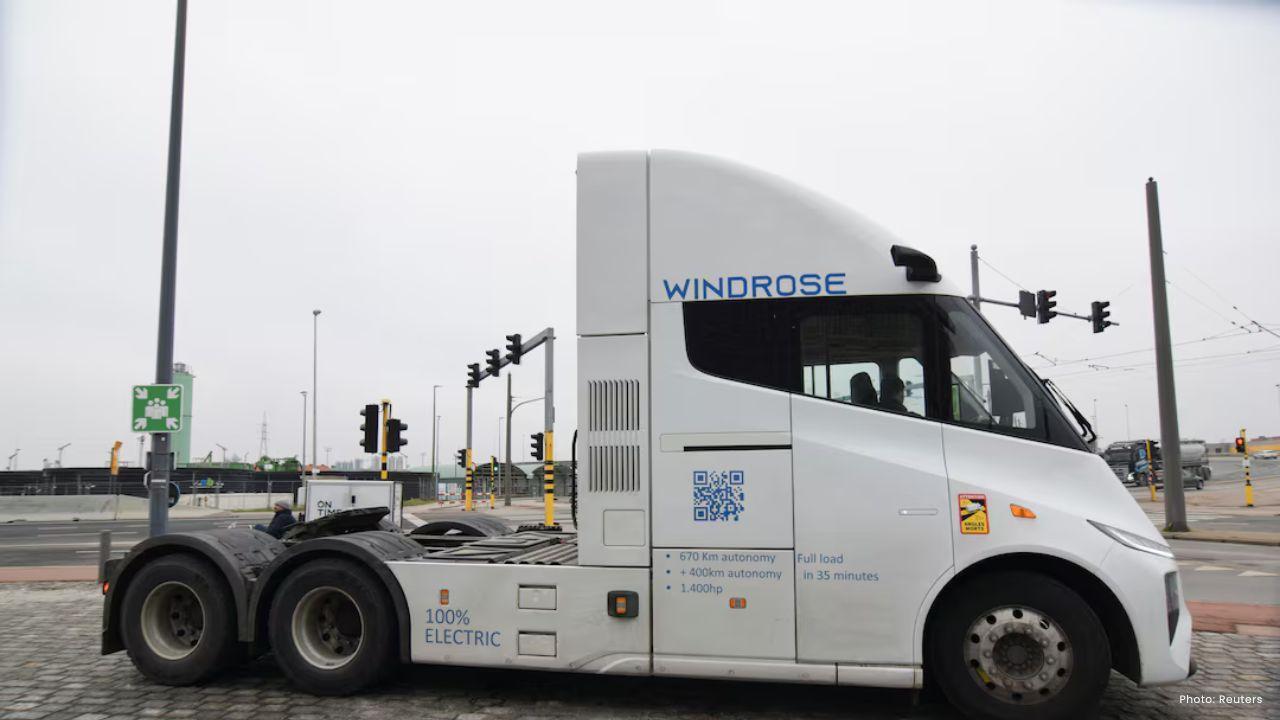
The European truck industry is preparing for a new wave of competition as Chinese companies begin selling electric freight trucks across Europe. These vehicles are expected to be cheaper and increasingly advanced, which could challenge long-established European manufacturers.
Many experts believe this change could reshape the trucking market in the coming years. Companies that have dominated Europe’s commercial vehicle industry for decades are now facing rivals that offer lower prices and modern electric technology.
Chinese manufacturers are following a path similar to what has already happened in the passenger car market. Over the last few years, Chinese electric vehicle brands have expanded quickly in Europe, gaining attention with affordable prices and improved technology. Now the same strategy is moving into the freight truck sector.
According to industry reports, Chinese electric truck makers are planning to start selling more vehicles in Europe during 2026. Some well-known companies, including BYD and Geely’s Farizon brand, are preparing to enter the market more aggressively.
One major advantage Chinese manufacturers have is cost. Analysts say some Chinese electric trucks could be priced up to 30% lower than similar models built by European companies.
Lower prices could make these vehicles attractive for logistics companies, delivery fleets, and transport operators that are trying to reduce costs while also meeting environmental rules.
Europe’s trucking industry is going through a major transformation as governments push for cleaner transportation. Many countries are introducing strict rules to reduce carbon emissions from heavy vehicles. As a result, manufacturers are rapidly developing electric trucks and other low-emission technologies.
This transition has created an opportunity for new competitors. Chinese companies have already built strong experience in electric vehicle production because their domestic market has expanded quickly with strong government support.
In China, electric trucks and buses are already widely used in many cities and industrial areas. Large-scale production has helped companies reduce costs and improve their technology.
Because of this experience, Chinese firms are now confident about entering international markets. Europe, with its strict environmental policies and growing demand for electric vehicles, has become one of the main targets.
For European truck manufacturers, the arrival of these competitors creates both concern and urgency. Companies such as Daimler Truck, Volvo Group, and Traton have invested heavily in developing their own electric trucks. But producing these vehicles remains expensive, especially while battery costs and infrastructure challenges continue.
European companies are known for their strong engineering, reliability, and safety standards. Many transport companies trust these brands because they have decades of experience and well-developed service networks.
However, price differences could still influence buyers, especially smaller transport firms that operate on tight budgets.
Some European manufacturers are already adjusting their strategies. Several companies are expanding partnerships, investing in new factories, and exploring ways to reduce production costs.
Others are strengthening their presence in China to better understand the technology and supply chains used by their competitors.
For example, Swedish truck maker Scania has built a major factory in China partly to learn more about the rapidly evolving Chinese truck industry and remain competitive in global markets.
Industry analysts say that the coming years will likely bring intense competition. Electric trucks are still a small share of total truck sales in Europe, but the market is expected to grow quickly as governments push for cleaner transportation.
Some studies suggest the electric truck market could expand rapidly as logistics companies begin replacing diesel vehicles with battery-powered models.
However, Europe still faces several challenges in this transition. Charging infrastructure for heavy trucks is limited in many areas, and building a large network of fast chargers requires major investment.
Truck manufacturers have also warned that Europe may fall behind China if the region does not move faster in developing charging networks and supporting electric transport technology.
At the same time, political tensions and trade policies may influence how quickly Chinese trucks expand in Europe. The European Union has already investigated Chinese electric vehicles over concerns about subsidies and unfair pricing advantages.
Similar debates could emerge in the trucking sector if European manufacturers feel threatened by rapidly growing imports.
Despite these concerns, many experts believe competition could also bring positive changes. Lower prices and new technology may encourage faster adoption of cleaner trucks across the continent.
Transport companies may benefit from having more options when choosing electric vehicles for their fleets. Increased competition could also push European manufacturers to innovate faster and improve efficiency.
The future of the European trucking market will depend on several factors. Technology development, government policies, environmental regulations, and global trade relations will all shape how the industry evolves.
For now, one thing is clear: the arrival of Chinese electric trucks marks the beginning of a new chapter for Europe’s freight transport industry.
Established manufacturers are no longer competing only with traditional rivals from Europe, Japan, or the United States. They are now facing a fast-growing group of Chinese companies determined to expand their presence in one of the world’s most important transport markets.
The coming decade will show whether Europe’s long-standing truck giants can maintain their leadership or whether new players will change the balance of power in the global trucking industry.
#trending #latest #armustnews #EuropeanTrucks #ElectricTrucks #ChineseAutomakers #FreightIndustry #EVMarket #TransportIndustry #GlobalTrade #AutomotiveNews #GreenTransport






Advances in Aerospace Technology and Commercial Aviation Recovery
Insights into breakthrough aerospace technologies and commercial aviation’s recovery amid 2025 chall

Defense Modernization and Strategic Spending Trends
Explore key trends in global defense modernization and strategic military spending shaping 2025 secu

Tens of Thousands Protest in Serbia on Anniversary of Deadly Roof Collapse
Tens of thousands in Novi Sad mark a year since a deadly station roof collapse that killed 16, prote

Canada PM Carney Apologizes to Trump Over Controversial Reagan Anti-Tariff Ad
Canadian PM Mark Carney apologized to President Trump over an Ontario anti-tariff ad quoting Reagan,

The ad that stirred a hornets nest, and made Canadian PM Carney say sorry to Trump
Canadian PM Mark Carney apologizes to US President Trump after a tariff-related ad causes diplomatic

Bengaluru-Mumbai Superfast Train Approved After 30-Year Wait
Railways approves new superfast train connecting Bengaluru and Mumbai, ending a 30-year demand, easi



