Post by : Saif
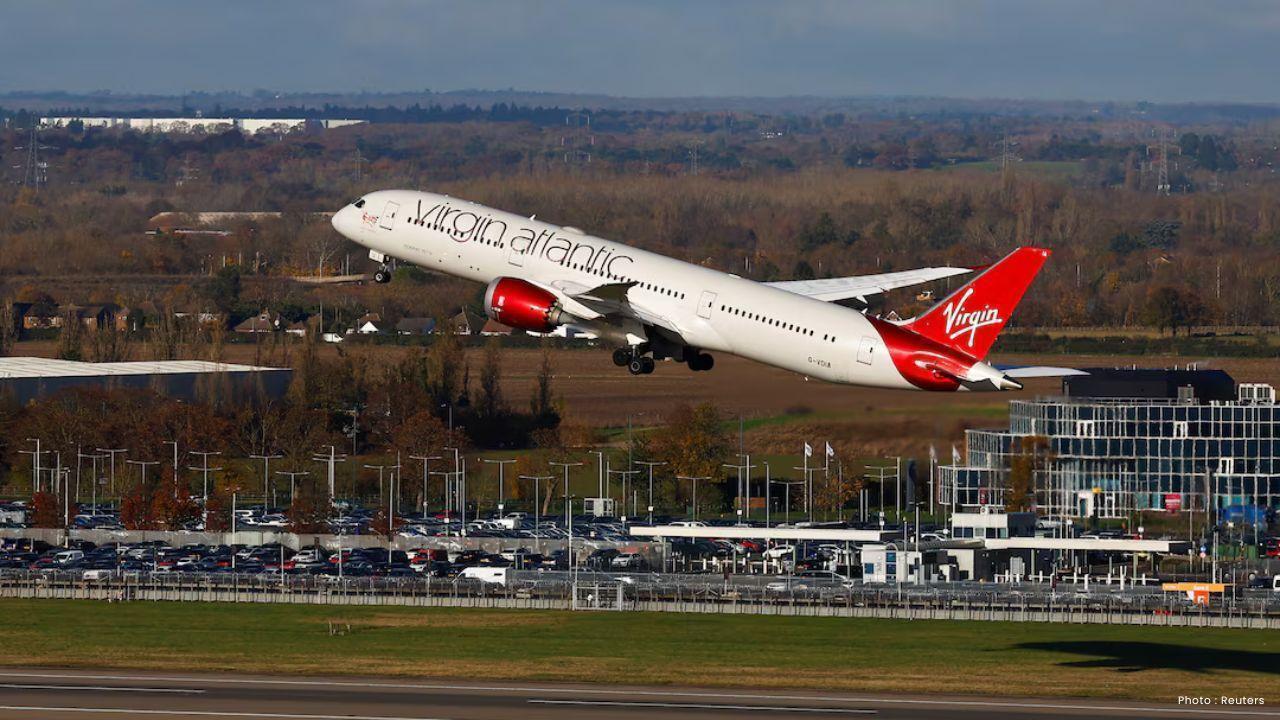
A surprising but positive development has emerged in the aviation industry as European airlines are expected to meet—and possibly exceed—their green jet fuel target for 2025. This marks an important step forward in efforts to reduce pollution from air travel, even as the industry continues to face serious challenges.
The European Union had set a rule requiring airlines to use at least 2% sustainable aviation fuel (SAF) in their total fuel supply by 2025. Early reports suggest that airlines not only met this goal but may have gone slightly above it.
This achievement is important because it shows progress in reducing dependence on traditional fossil fuels. Aviation is one of the hardest industries to clean up, as planes still rely heavily on jet fuel. SAF is seen as a cleaner option because it produces fewer emissions compared to regular fuel.
What makes this result even more notable is that just a year earlier, the use of green fuel was very low. In 2024, SAF accounted for only about 0.6% of total jet fuel use in Europe. The jump to around 2% in 2025 shows how quickly change can happen when strong policies are put in place.
Experts believe that clear rules and targets from the European Union played a big role in this progress. Once the mandate was set, fuel suppliers and airlines started increasing production and use of cleaner fuels. This shows that policy decisions can push industries to adapt faster than expected.
However, while the headline looks positive, the situation is not simple. Many airlines have warned that future targets may be much harder to achieve. The EU plans to raise the SAF requirement to 6% by 2030, and even higher levels after that.
Airlines say the biggest challenge is supply. There is still not enough green jet fuel being produced to meet growing demand. At the same time, the cost of SAF is much higher than regular jet fuel, sometimes several times more expensive.
Because of this, some airline groups have asked regulators to slow down or adjust future targets. They argue that without enough supply, strict rules could increase ticket prices and create financial pressure on the industry.
Despite these concerns, European officials have made it clear that they do not plan to reduce or delay the targets. They believe that sticking to these goals is necessary to fight climate change and push the industry toward cleaner energy.
Another factor adding pressure is the current global energy situation. Rising oil prices and supply disruptions, linked to ongoing conflicts, have made fuel markets more unstable. This makes it harder for airlines to balance costs while also investing in cleaner alternatives.
The success in reaching the 2% target shows that progress is possible, but it also highlights the road ahead. Meeting future goals will require more investment, better technology, and stronger cooperation between governments, airlines, and fuel producers.
For passengers, these changes may slowly lead to greener travel, but they could also mean higher ticket prices in the future. For the industry, the challenge will be to grow while also reducing its impact on the environment.
In the end, Europe’s early success with green jet fuel is a step in the right direction. But it is only the beginning of a much longer journey toward making air travel more sustainable and environmentally friendly.
#trending #latest #armustnews #Aviation #GreenFuel #SAF #ClimateChange #Airlines #Europe #Sustainability #NetZero #BreakingNews






Advances in Aerospace Technology and Commercial Aviation Recovery
Insights into breakthrough aerospace technologies and commercial aviation’s recovery amid 2025 chall

Defense Modernization and Strategic Spending Trends
Explore key trends in global defense modernization and strategic military spending shaping 2025 secu

Tens of Thousands Protest in Serbia on Anniversary of Deadly Roof Collapse
Tens of thousands in Novi Sad mark a year since a deadly station roof collapse that killed 16, prote

Canada PM Carney Apologizes to Trump Over Controversial Reagan Anti-Tariff Ad
Canadian PM Mark Carney apologized to President Trump over an Ontario anti-tariff ad quoting Reagan,

The ad that stirred a hornets nest, and made Canadian PM Carney say sorry to Trump
Canadian PM Mark Carney apologizes to US President Trump after a tariff-related ad causes diplomatic

Bengaluru-Mumbai Superfast Train Approved After 30-Year Wait
Railways approves new superfast train connecting Bengaluru and Mumbai, ending a 30-year demand, easi



