Post by : Avinab Raana
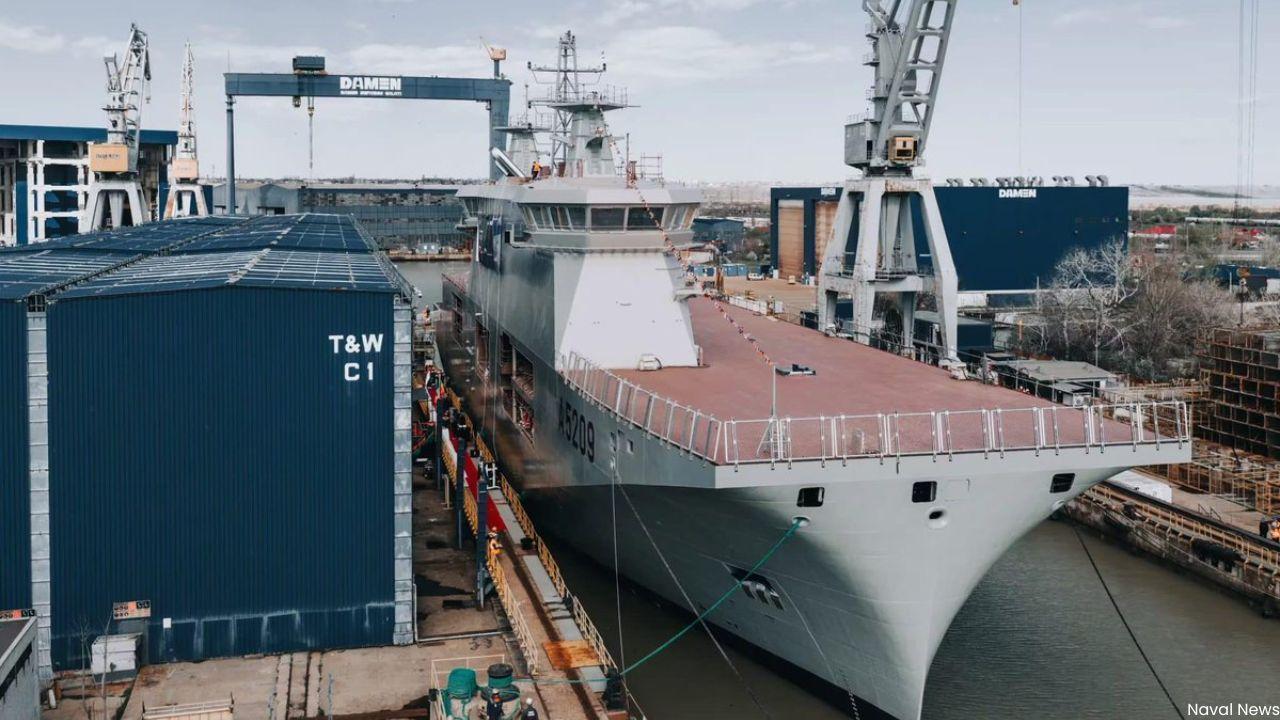
Photo : X / Naval News
In a bold move that is set to reshape maritime dynamics across the Red Sea and beyond, Djibouti has officially inaugurated the largest ship repair yard in East Africa—marking a defining moment not just for the nation, but for the entire African maritime ecosystem. Positioned at one of the world’s busiest shipping chokepoints, this development signals a powerful shift in how Africa is positioning itself within global trade networks, moving from a transit region to a value-generating maritime hub.
This is more than just infrastructure, it is a strategic leap. As global shipping routes face increasing pressure from geopolitical tensions and supply chain disruptions, Djibouti’s new shipyard is stepping in as a critical node that can support, maintain, and sustain vessels without forcing them to divert to distant continents.
At the core of this ambitious project lies the Djibouti Ship Repair Yard (DSRY), a facility developed through a high-value international partnership and backed by an investment exceeding $120 million. Designed to handle a wide spectrum of vessels, the yard integrates advanced engineering capabilities with large-scale infrastructure, enabling both preventive maintenance and complex repair operations.
The centerpiece of the facility is a massive floating dock stretching over 217 meters in length and 43 meters in width, with the capacity to lift vessels weighing more than 20,000 tonnes. This capability alone places it among the most significant maritime engineering assets in the region, capable of servicing large commercial vessels navigating one of the busiest oil and trade corridors in the world.
Djibouti’s geographical positioning at the entrance of the Bab el-Mandeb Strait gives this shipyard unmatched strategic relevance. This narrow maritime passage connects Europe, Asia, and the Middle East, handling a significant portion of global trade and energy shipments. Until now, vessels requiring maintenance in this corridor often had to travel to Europe, the Middle East, or Asia resulting in delays, increased costs, and logistical inefficiencies.
With the launch of this facility, that equation changes dramatically. Ships can now undergo repairs and servicing without leaving the region, reducing downtime and enhancing operational efficiency for global shipping companies. This positions Djibouti as a crucial service hub, capable of capturing a larger share of the maritime value chain.
Beyond its industrial capabilities, the shipyard is poised to deliver substantial economic benefits. The project is expected to generate hundreds of direct jobs and over a thousand indirect employment opportunities, while also contributing to skill development in advanced maritime engineering and technical disciplines.
More importantly, it strengthens Djibouti’s long-term vision of becoming a logistics and maritime powerhouse. By integrating ship repair services with its existing port and free zone infrastructure, the country is building a comprehensive ecosystem that supports trade, logistics, and industrial growth simultaneously.
For decades, African nations have relied heavily on foreign shipyards for critical repairs and maintenance, leading to significant revenue outflows and operational delays. The launch of the DSRY represents a turning point—one that brings maritime capabilities closer to home and enables the continent to retain more value within its own economy.
This shift is not just about infrastructure; it is about control, efficiency, and competitiveness. By localizing ship repair services, Djibouti is setting a precedent for other African nations to invest in maritime self-sufficiency and reduce dependency on external markets.
As global trade routes continue to evolve, Djibouti’s new shipyard is emerging as a symbol of strategic foresight and industrial ambition. It reflects a broader transformation where ports are no longer just gateways, but integrated hubs of engineering, logistics, and economic activity.
The real impact of this development will unfold in the coming years—but one thing is already clear: East Africa is no longer just a passage for global trade. It is becoming a destination for maritime excellence. And with this shipyard leading the charge, Djibouti is firmly anchoring itself at the center of that transformation.
#trending #latest,#Shipyard #Djibouti #MaritimeIndustry #PortInfrastructure #GlobalTrade







Advances in Aerospace Technology and Commercial Aviation Recovery
Insights into breakthrough aerospace technologies and commercial aviation’s recovery amid 2025 chall

Defense Modernization and Strategic Spending Trends
Explore key trends in global defense modernization and strategic military spending shaping 2025 secu

Tens of Thousands Protest in Serbia on Anniversary of Deadly Roof Collapse
Tens of thousands in Novi Sad mark a year since a deadly station roof collapse that killed 16, prote

Canada PM Carney Apologizes to Trump Over Controversial Reagan Anti-Tariff Ad
Canadian PM Mark Carney apologized to President Trump over an Ontario anti-tariff ad quoting Reagan,

The ad that stirred a hornets nest, and made Canadian PM Carney say sorry to Trump
Canadian PM Mark Carney apologizes to US President Trump after a tariff-related ad causes diplomatic

Bengaluru-Mumbai Superfast Train Approved After 30-Year Wait
Railways approves new superfast train connecting Bengaluru and Mumbai, ending a 30-year demand, easi



