Post by : Avinab Raana
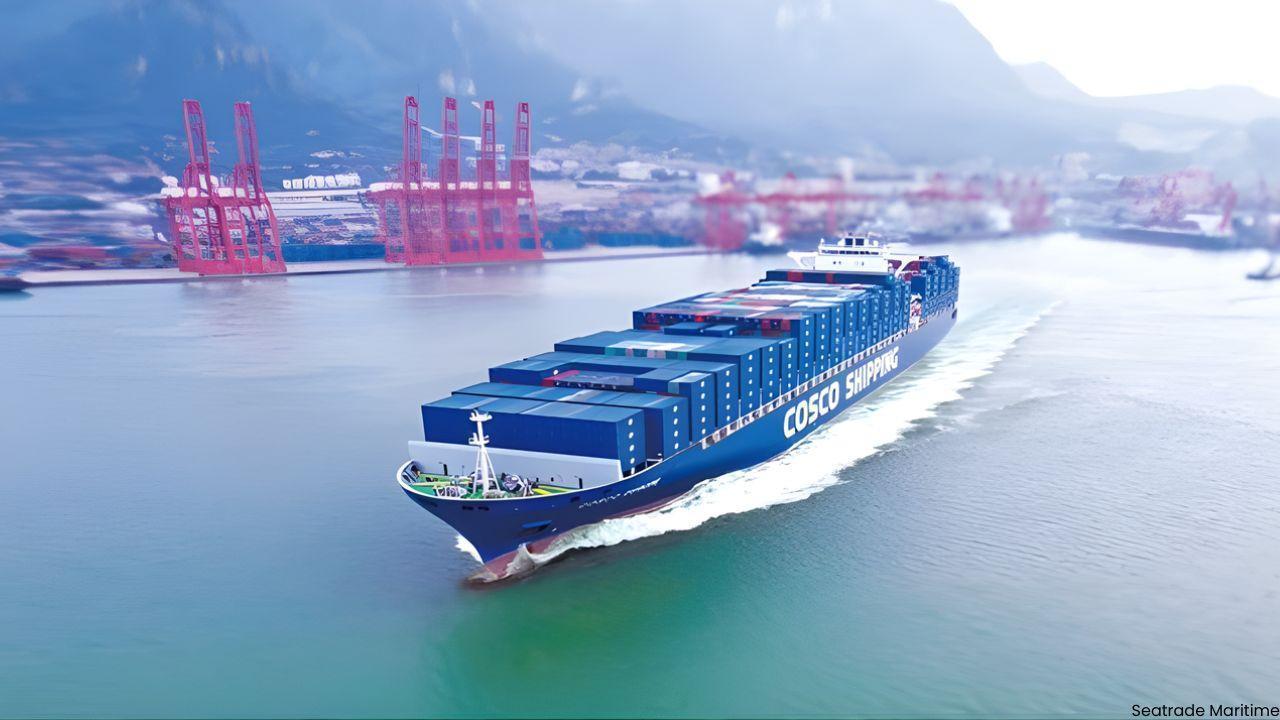
Photo : X / Seatrade Maritime
One of the world’s most critical maritime corridors is under fresh strain as COSCO Shipping announces a halt on vessel transits through the Strait of Hormuz. This decision comes amid escalating geopolitical tensions in the Gulf, instantly sending ripples across global shipping networks, energy supply chains, and international trade flows.
The Strait of Hormuz is not just another shipping lane, it is a strategic chokepoint through which a significant portion of the world’s oil and cargo shipments pass. Any disruption here has immediate and far-reaching consequences for global logistics.
The Strait of Hormuz connects the Persian Gulf to the open ocean and serves as a vital artery for global energy transportation. A substantial share of crude oil exports from key producing nations moves through this narrow passage, making it one of the most sensitive points in global trade infrastructure.
COSCO’s decision to pause transits highlights the growing risks associated with operating in the region. Shipping companies are increasingly forced to reassess route safety, insurance costs, and operational viability as tensions rise. The move also underscores how quickly geopolitical developments can translate into logistical disruptions, impacting industries far beyond maritime transport.
The suspension of transits by a major player like COSCO is expected to create immediate disruptions across global shipping networks. Container flows, energy shipments, and bulk cargo movements could all face delays as vessels are rerouted or held back.
Alternative routes, while available, are often longer and more expensive, leading to increased transit times and higher freight costs. This, in turn, could have a cascading effect on global supply chains, affecting everything from fuel prices to consumer goods availability. Ports and logistics hubs worldwide are now preparing for potential congestion and scheduling challenges as shipping patterns adjust to the evolving situation.
The halt in Hormuz transits also reflects the growing operational risks faced by shipping companies. Insurance premiums for vessels operating in high-risk zones are likely to rise sharply, while crew safety concerns add another layer of complexity.
Shipping firms must now balance commercial priorities with safety considerations, often making difficult decisions about route planning and cargo commitments. The situation highlights the fragile balance between efficiency and risk in global maritime operations. For many operators, the current environment represents one of the most challenging periods in recent years, where unpredictability is becoming the new norm.
Beyond shipping, the impact of this disruption extends into global energy markets. Any slowdown in oil shipments through the Strait of Hormuz can influence supply levels, pricing, and market stability.
Countries heavily reliant on Gulf oil exports may face supply uncertainties, prompting them to seek alternative sources or adjust inventory strategies. This dynamic further reinforces the interconnected nature of global trade, where maritime disruptions can quickly escalate into economic challenges.The situation also raises concerns about long-term energy security and the resilience of global supply chains in the face of geopolitical instability.
The current crisis is likely to accelerate efforts to build more resilient and diversified logistics networks. Companies may increasingly invest in alternative routes, regional supply chains, and advanced logistics planning to mitigate risks associated with chokepoints like the Strait of Hormuz.This shift could reshape global shipping patterns over time, reducing dependence on single routes and enhancing the flexibility of trade networks.At the same time, it highlights the growing importance of smart ports and integrated logistics hubs that can adapt quickly to changing conditions.
COSCO’s decision to halt transits through the Strait of Hormuz serves as a stark reminder of the vulnerabilities inherent in global shipping systems. In an interconnected world, disruptions in one region can have immediate and widespread effects across industries and economies.
As geopolitical tensions continue to influence trade dynamics, the maritime sector must adapt to an environment where risk management, flexibility, and strategic planning are more critical than ever. The message is clear: the future of global shipping will depend not just on capacity, but on resilience in the face of uncertainty.
#trending #latest#GlobalShipping #StraitOfHormuz #COSCO #MaritimeTrade #SupplyChainCrisis







Advances in Aerospace Technology and Commercial Aviation Recovery
Insights into breakthrough aerospace technologies and commercial aviation’s recovery amid 2025 chall

Defense Modernization and Strategic Spending Trends
Explore key trends in global defense modernization and strategic military spending shaping 2025 secu

Tens of Thousands Protest in Serbia on Anniversary of Deadly Roof Collapse
Tens of thousands in Novi Sad mark a year since a deadly station roof collapse that killed 16, prote

Canada PM Carney Apologizes to Trump Over Controversial Reagan Anti-Tariff Ad
Canadian PM Mark Carney apologized to President Trump over an Ontario anti-tariff ad quoting Reagan,

The ad that stirred a hornets nest, and made Canadian PM Carney say sorry to Trump
Canadian PM Mark Carney apologizes to US President Trump after a tariff-related ad causes diplomatic

Bengaluru-Mumbai Superfast Train Approved After 30-Year Wait
Railways approves new superfast train connecting Bengaluru and Mumbai, ending a 30-year demand, easi



