Post by : Avinab Raana
Photo : X / @ChinaGSProject
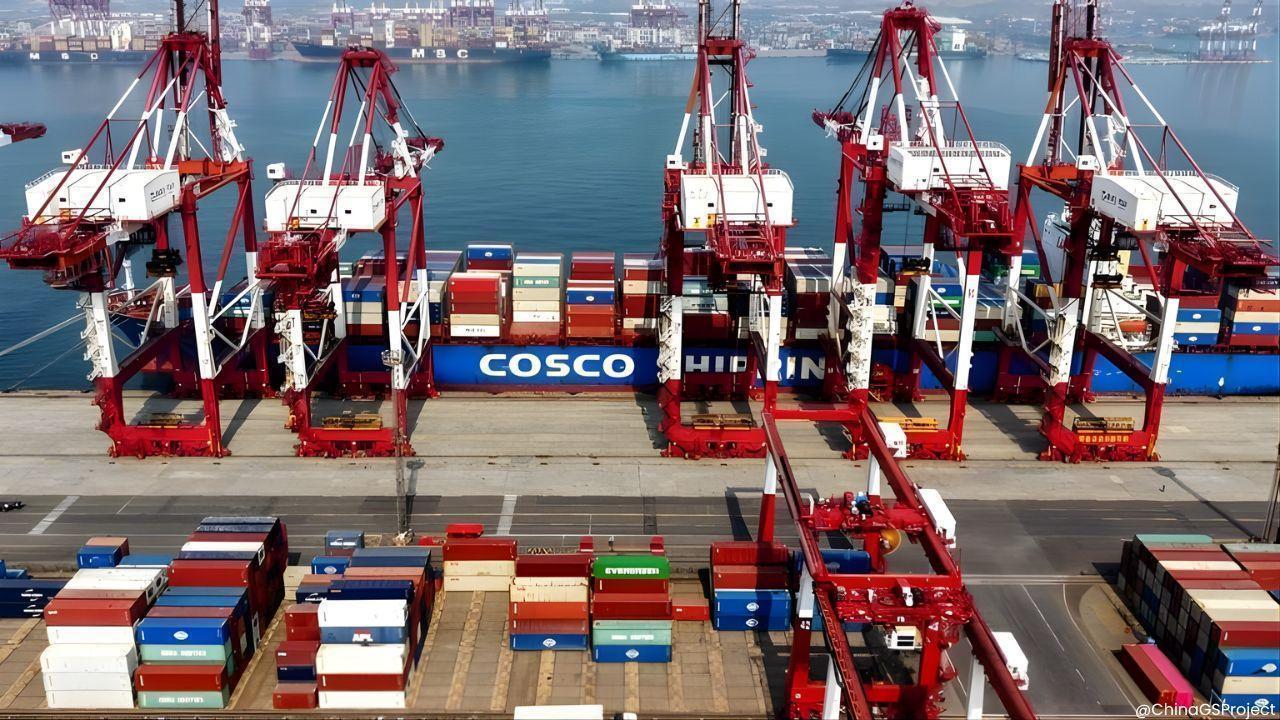
In a decisive response to escalating geopolitical tensions, COSCO Shipping Lines has introduced multimodal logistics solutions to sustain cargo movement between Asia and the Middle East. As traditional maritime routes face increasing uncertainty due to regional conflict and security risks, the Chinese shipping giant is redefining how goods flow across one of the world’s most critical trade corridors. The move reflects a broader transformation in global shipping, where flexibility and resilience are becoming essential. Instead of relying solely on ocean freight, COSCO is now integrating sea, land, and feeder networks to maintain continuity in trade operations—ensuring that cargo keeps moving even when key maritime chokepoints are disrupted.
COSCO’s multimodal strategy introduces a hybrid logistics model that blends ocean transport with overland connections, effectively bypassing high-risk maritime zones such as the Strait of Hormuz. Cargo from Asia is being routed to alternative ports like Khor Fakkan and Fujairah in the UAE, from where it is transported via bonded land bridges to major logistics hubs such as Abu Dhabi.This approach allows shipments to continue reaching Gulf destinations including Saudi Arabia, Bahrain, Qatar, Kuwait, and Iraq, even as direct sea routes remain volatile. By leveraging inland transport networks, COSCO is not only mitigating risk but also demonstrating how multimodal logistics can provide a viable alternative in times of crisis.
The shift toward multimodal solutions comes after COSCO and other major carriers were forced to suspend services in the region due to escalating conflict. With traditional shipping lanes disrupted and vessels stranded or rerouted, the industry has been compelled to innovate rapidly. COSCO’s approach highlights how shipping companies are evolving beyond conventional models, adopting dynamic routing strategies that can adapt to real-time geopolitical developments. The ability to pivot quickly between sea and land transport is becoming a critical competitive advantage in today’s unpredictable trade environment.
The adoption of multimodal transport is not just a temporary workaround, it signals a deeper shift in how global supply chains are structured. By integrating different modes of transport into a seamless network, logistics providers can reduce dependency on single routes and enhance overall resilience. For the Asia Middle East corridor, this transformation is particularly significant. The region serves as a vital link in global trade, connecting manufacturing hubs in Asia with energy markets and consumer economies in the Gulf. COSCO’s strategy ensures that this link remains intact, even under challenging conditions, while also setting a precedent for other carriers to follow.
While multimodal solutions offer flexibility, they also introduce new complexities. Coordinating between sea and land transport requires precise planning, infrastructure alignment, and efficient customs processes. Additionally, capacity constraints and fluctuating regional conditions can impact delivery timelines and costs.Despite these challenges, the long-term benefits are clear. By diversifying transport routes, shipping companies can better manage risk and maintain service reliability, an increasingly critical factor for global trade partners. The success of COSCO’s strategy could accelerate the adoption of similar models across the industry.
COSCO’s multimodal pivot represents more than a tactical adjustment, it is a glimpse into the future of global logistics. As geopolitical uncertainties continue to reshape trade routes, the ability to integrate multiple transport modes will become a defining feature of successful shipping networks. This evolution signals a shift from rigid, route-dependent operations to agile, network-based logistics systems capable of adapting to disruption. For the maritime industry, the message is clear: resilience is no longer optional. It is the foundation of future growth.
COSCO multimodal logistics, Asia Middle East shipping, landbridge cargo routes







Advances in Aerospace Technology and Commercial Aviation Recovery
Insights into breakthrough aerospace technologies and commercial aviation’s recovery amid 2025 chall

Defense Modernization and Strategic Spending Trends
Explore key trends in global defense modernization and strategic military spending shaping 2025 secu

Tens of Thousands Protest in Serbia on Anniversary of Deadly Roof Collapse
Tens of thousands in Novi Sad mark a year since a deadly station roof collapse that killed 16, prote

Canada PM Carney Apologizes to Trump Over Controversial Reagan Anti-Tariff Ad
Canadian PM Mark Carney apologized to President Trump over an Ontario anti-tariff ad quoting Reagan,

The ad that stirred a hornets nest, and made Canadian PM Carney say sorry to Trump
Canadian PM Mark Carney apologizes to US President Trump after a tariff-related ad causes diplomatic

Bengaluru-Mumbai Superfast Train Approved After 30-Year Wait
Railways approves new superfast train connecting Bengaluru and Mumbai, ending a 30-year demand, easi



