Post by : Avinab Raana
Photo : X / @newsnow4eco
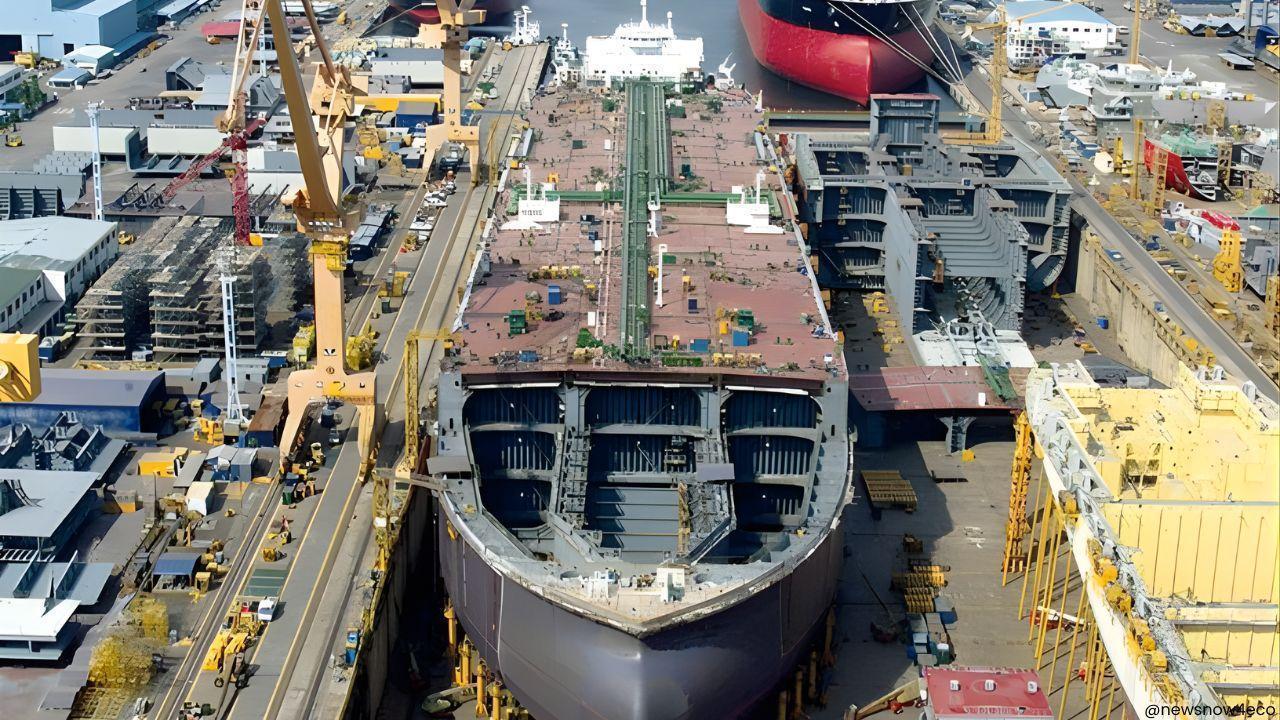
The maritime transport sector across the Arab region has attracted nearly $4 billion in foreign investment over the past 23 years, signaling a strong rise in global interest in the region’s logistics and port infrastructure. Over this period, more than a hundred maritime transport projects have been launched, demonstrating how international investors view the region as a strategic hub for global trade. This growing investment momentum reflects the increasing importance of maritime logistics in supporting international commerce. As shipping volumes expand and global supply chains evolve, ports across the Arab world are emerging as key gateways connecting trade routes between Asia, Europe, and Africa.
The Arab region occupies one of the most important geographic positions in global shipping. Major maritime corridors pass through its waters, linking international markets through critical routes such as the Suez Canal and major Gulf shipping lanes. This strategic advantage has encouraged governments to prioritize investments in port infrastructure, cargo terminals, and maritime logistics zones. By strengthening port capabilities and expanding shipping networks, the region aims to capture a larger share of international cargo flows.
Several countries within the Arab region have played a leading role in attracting maritime investment. Nations with large port networks and ambitious infrastructure strategies have emerged as focal points for logistics development. These countries are investing in port modernization, container terminal expansion, and integrated logistics platforms that connect seaports with inland transport corridors. Such initiatives are designed to improve cargo efficiency while supporting broader economic diversification strategies.
Modern maritime infrastructure plays a critical role in facilitating global trade. Efficient ports allow goods to move quickly across borders, helping industries access international markets while strengthening supply chain reliability. Across the Arab region, port authorities and logistics operators are upgrading facilities to accommodate larger vessels, faster cargo handling systems, and advanced digital port management technologies. These improvements enhance operational efficiency and make regional ports more competitive in the global shipping industry.
For many Arab economies, expanding the maritime transport sector is part of a broader strategy to diversify national revenue streams. By investing in logistics, ports, and shipping services, countries are positioning themselves as international trade hubs capable of supporting regional manufacturing and export growth. Foreign investment in maritime infrastructure also helps create jobs, stimulate industrial development, and encourage international partnerships that strengthen economic resilience.
The continued flow of foreign investment into the Arab maritime sector reflects the region’s rising importance in global logistics networks. As trade volumes increase and supply chains become more interconnected, efficient port infrastructure will remain essential to facilitating international commerce. With modern ports, strategic geographic positioning, and increasing investor confidence, the Arab maritime sector is steadily evolving into a powerful driver of global trade connectivity for the decades ahead.
Arab maritime investment, maritime sector foreign investment Arab region, Arab ports logistics growth, Middle East maritime transport sector, maritime infrastructure investment Arab countries, Arab shipping industry growth, port logistics development Arab world







Advances in Aerospace Technology and Commercial Aviation Recovery
Insights into breakthrough aerospace technologies and commercial aviation’s recovery amid 2025 chall

Defense Modernization and Strategic Spending Trends
Explore key trends in global defense modernization and strategic military spending shaping 2025 secu

Tens of Thousands Protest in Serbia on Anniversary of Deadly Roof Collapse
Tens of thousands in Novi Sad mark a year since a deadly station roof collapse that killed 16, prote

Canada PM Carney Apologizes to Trump Over Controversial Reagan Anti-Tariff Ad
Canadian PM Mark Carney apologized to President Trump over an Ontario anti-tariff ad quoting Reagan,

The ad that stirred a hornets nest, and made Canadian PM Carney say sorry to Trump
Canadian PM Mark Carney apologizes to US President Trump after a tariff-related ad causes diplomatic

Bengaluru-Mumbai Superfast Train Approved After 30-Year Wait
Railways approves new superfast train connecting Bengaluru and Mumbai, ending a 30-year demand, easi



