Post by : Avinab Raana
Photo : X / Electrek.co
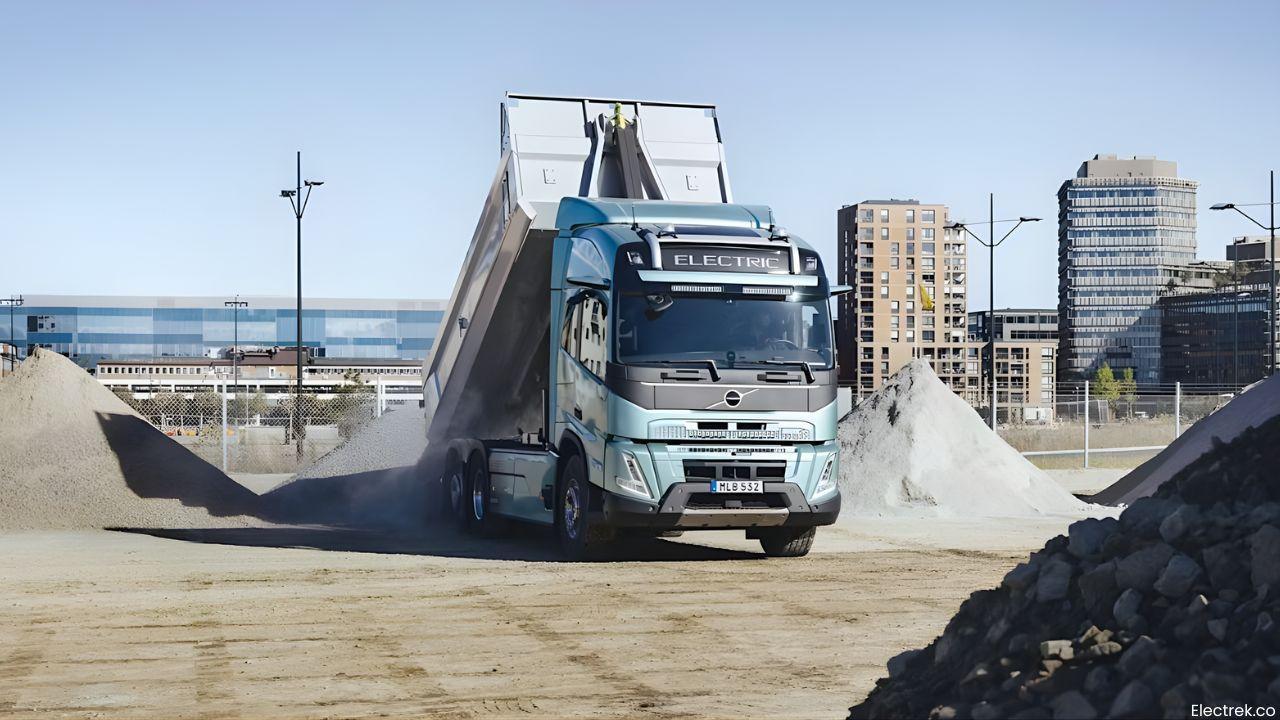
The global logistics industry is witnessing a pivotal shift as Volvo introduces a major upgrade to its electric truck lineup, achieving a breakthrough range of up to 700 kilometers. This development marks a defining moment in the transition toward zero-emission freight transport, as electric trucks move beyond short-haul and urban applications into long-distance logistics, a segment traditionally dominated by diesel-powered vehicles. With this move, Volvo is not just enhancing performance; it is redefining the boundaries of what electric trucking can achieve in real-world operations.
At the heart of this update is the new long-haul flagship model, the Volvo FH Aero Electric, capable of traveling up to 700 km on a single charge, a significant leap in electric heavy-duty vehicle capability. This advancement is made possible through a new e-axle driveline design that integrates motors and transmission into the rear axle, freeing up space for additional battery capacity.
The result is a truck that not only delivers extended range but also maintains high payload capacity and operational efficiency. With up to 48 tonnes gross combination weight and strong hauling capability, the vehicle is engineered to meet the demands of long-haul freight without compromising productivity.
One of the most critical barriers to electric trucking charging time is also being addressed with this new lineup. The FH Aero Electric supports megawatt charging systems, enabling batteries to charge from 20% to 80% in approximately 50 minutes.
This timing is strategically aligned with mandatory driver rest periods, allowing operators to recharge vehicles without disrupting schedules. In effect, Volvo is closing the productivity gap between electric and diesel trucks, making long-haul electric transport not just feasible but commercially viable.
Beyond the flagship model, Volvo has also upgraded its FH, FM, and FMX Electric trucks, offering ranges of up to 470 km and improved driveline flexibility. These models are designed for a wide range of applications, including regional distribution, construction, and urban logistics.
The new driveline systems allow trucks to power auxiliary equipment such as mixers or lifting systems directly, eliminating the need for additional motors. This integration enhances operational efficiency while reducing complexity, making electric trucks more adaptable to diverse industry needs.
The performance improvements are not limited to battery capacity alone. Volvo has incorporated advanced software optimization, improved aerodynamics, and enhanced energy management systems to maximize efficiency.
Additionally, the new gearbox systems and dual-motor configurations provide smoother power delivery, reduced noise, and improved driver comfort key factors in long-haul operations. These innovations highlight how electric trucking is evolving into a technologically sophisticated ecosystem rather than just an alternative fuel solution.
Volvo’s latest update reflects a broader transformation across the logistics sector, where sustainability goals are increasingly aligning with business efficiency. With zero tailpipe emissions and reduced operating costs over time, electric trucks are becoming an attractive option for fleet operators facing both regulatory pressure and rising fuel costs.
The introduction of a 700 km range effectively removes one of the biggest limitations of electric trucks, opening the door for wider adoption in intercity and cross-border freight operations. This shift is particularly significant as governments and corporations worldwide accelerate their decarbonization strategies.
The expansion of Volvo’s electric truck lineup signals more than just a technological upgrade, it represents a strategic turning point for the global transportation industry. By delivering long-haul capability, fast charging, and operational flexibility, Volvo is setting a new benchmark that competitors will be forced to match.
As electric trucking continues to evolve, the industry is moving closer to a future where diesel-powered freight becomes the exception rather than the norm. With innovations like this, the road ahead is not just electrified, it is fundamentally transformed, paving the way for cleaner, smarter, and more efficient global logistics networks.
#trending #latest#VolvoElectric #ElectricTrucks #SustainableLogistics #EVTrucking #GreenTransport









Advances in Aerospace Technology and Commercial Aviation Recovery
Insights into breakthrough aerospace technologies and commercial aviation’s recovery amid 2025 chall

Defense Modernization and Strategic Spending Trends
Explore key trends in global defense modernization and strategic military spending shaping 2025 secu

Tens of Thousands Protest in Serbia on Anniversary of Deadly Roof Collapse
Tens of thousands in Novi Sad mark a year since a deadly station roof collapse that killed 16, prote

Canada PM Carney Apologizes to Trump Over Controversial Reagan Anti-Tariff Ad
Canadian PM Mark Carney apologized to President Trump over an Ontario anti-tariff ad quoting Reagan,

The ad that stirred a hornets nest, and made Canadian PM Carney say sorry to Trump
Canadian PM Mark Carney apologizes to US President Trump after a tariff-related ad causes diplomatic

Bengaluru-Mumbai Superfast Train Approved After 30-Year Wait
Railways approves new superfast train connecting Bengaluru and Mumbai, ending a 30-year demand, easi



