Post by : Avinab Raana
In a decisive escalation aimed at restoring confidence in one of the world’s most critical maritime chokepoints, the United States has doubled its reinsurance coverage for ships navigating the Strait of Hormuz to $40 billion. The move comes as global shipping faces unprecedented disruption due to escalating geopolitical tensions, turning this narrow waterway into the focal point of a wider supply chain crisis. Carrying nearly a fifth of the world’s oil and a significant share of global energy cargo, the Strait’s instability has triggered alarm across industries from energy markets to logistics networks making this insurance expansion a pivotal intervention in safeguarding global trade flows.
The expanded reinsurance program builds on an earlier $20 billion initiative introduced to counter rising war-risk concerns in the Gulf region. Spearheaded by the US International Development Finance Corporation, the scheme is designed to cover critical risks such as hull damage, cargo loss, and wartime liabilities factors that have deterred shipowners from operating in the region. With the doubling of coverage, the US aims to bridge the gap between skyrocketing insurance costs and the urgent need to keep trade routes operational. Major global insurers have joined the initiative, signaling strong institutional backing, yet the real test lies in whether this financial safety net can effectively bring vessels back into one of the most volatile shipping zones in the world.
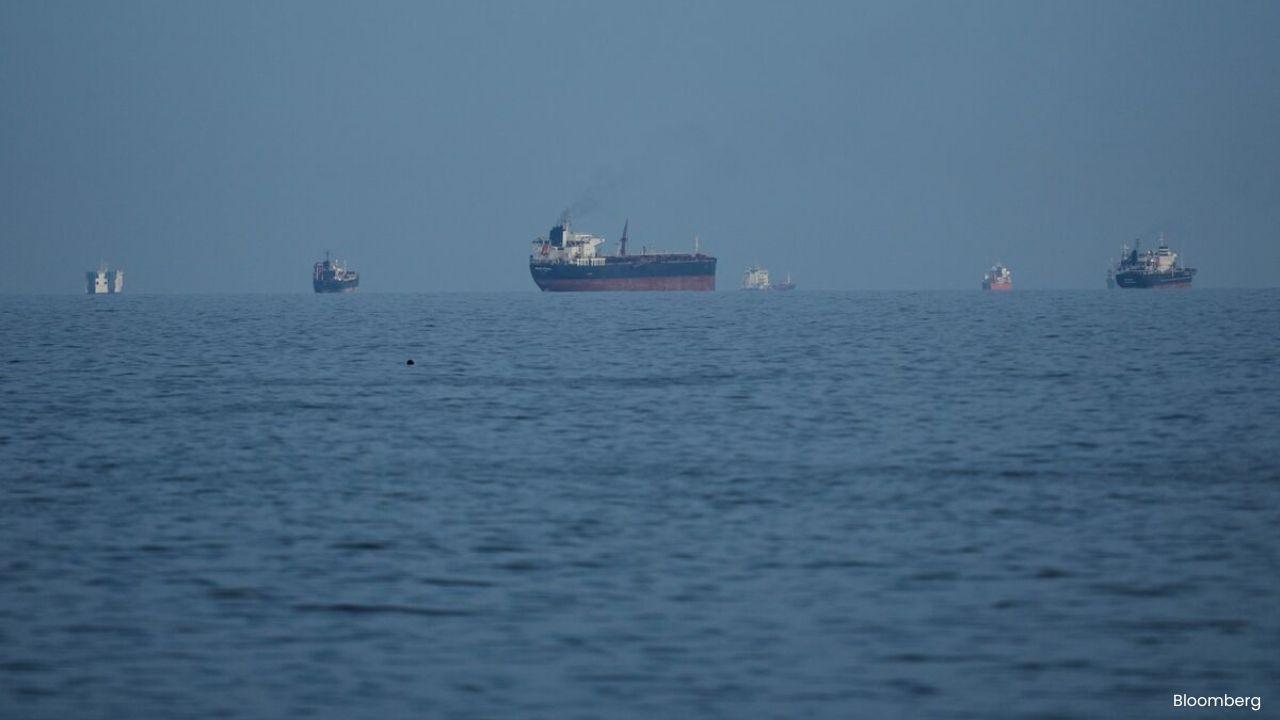
The urgency behind this move becomes clearer when examining the dramatic decline in maritime traffic through the Strait of Hormuz. Once a bustling artery of global commerce, the route has seen traffic plummet sharply amid security threats, forcing shipowners to reroute vessels or suspend operations altogether. The decline is not merely a logistical issue, it has triggered ripple effects across global energy markets, pushing oil prices higher and straining supply chains. With cargo movement disrupted at such a scale, the insurance expansion is being positioned as a critical step toward restoring normalcy and preventing further economic fallout.
While the financial backing provides a much-needed layer of security, industry experts remain cautious about its immediate impact. The risks in the region are not purely economic but deeply rooted in geopolitical tensions, including threats of missile and drone attacks on commercial vessels. Even with insurance coverage, the physical safety of ships and crews remains a primary concern for operators. This raises a fundamental question, Can financial instruments alone restore confidence in a conflict zone, or will broader military and diplomatic solutions be required to fully reopen this vital maritime corridor?
The stakes surrounding the Strait of Hormuz extend far beyond regional dynamics. As a critical link in the global energy supply chain, any prolonged disruption can have cascading effects on international markets. Oil-dependent economies, manufacturing hubs, and logistics networks are all directly impacted by the stability of this route. The US initiative, therefore, is not just about protecting ships, it is about safeguarding the flow of essential commodities that power economies worldwide. In this context, the reinsurance expansion represents a strategic attempt to stabilize global trade at a moment of heightened uncertainty.
The doubling of reinsurance coverage signals a broader transformation in how maritime risks are being managed in an increasingly volatile world. Traditional insurance models are being stretched to their limits, prompting governments and institutions to step in with large-scale financial interventions. This shift reflects a new reality where geopolitical risks are becoming deeply intertwined with global logistics, requiring innovative solutions that go beyond conventional frameworks.
As the world watches closely, the success of this initiative will depend on whether it can translate financial assurance into real-world shipping activity. If vessels begin to return to the Strait in significant numbers, it could mark the beginning of a gradual recovery for global supply chains. However, if risks continue to outweigh incentives, the crisis may deepen, forcing the industry to rethink its reliance on vulnerable chokepoints. Either way, this moment stands as a defining chapter in the evolving story of global maritime trade, one where resilience, strategy, and adaptability will determine the future of shipping.
#trending #latest,#HormuzCrisis #ShippingInsurance #GlobalTrade #MaritimeSecurity #SupplyChainCrisis







Advances in Aerospace Technology and Commercial Aviation Recovery
Insights into breakthrough aerospace technologies and commercial aviation’s recovery amid 2025 chall

Defense Modernization and Strategic Spending Trends
Explore key trends in global defense modernization and strategic military spending shaping 2025 secu

Tens of Thousands Protest in Serbia on Anniversary of Deadly Roof Collapse
Tens of thousands in Novi Sad mark a year since a deadly station roof collapse that killed 16, prote

Canada PM Carney Apologizes to Trump Over Controversial Reagan Anti-Tariff Ad
Canadian PM Mark Carney apologized to President Trump over an Ontario anti-tariff ad quoting Reagan,

The ad that stirred a hornets nest, and made Canadian PM Carney say sorry to Trump
Canadian PM Mark Carney apologizes to US President Trump after a tariff-related ad causes diplomatic

Bengaluru-Mumbai Superfast Train Approved After 30-Year Wait
Railways approves new superfast train connecting Bengaluru and Mumbai, ending a 30-year demand, easi



