Post by : Avinab Raana
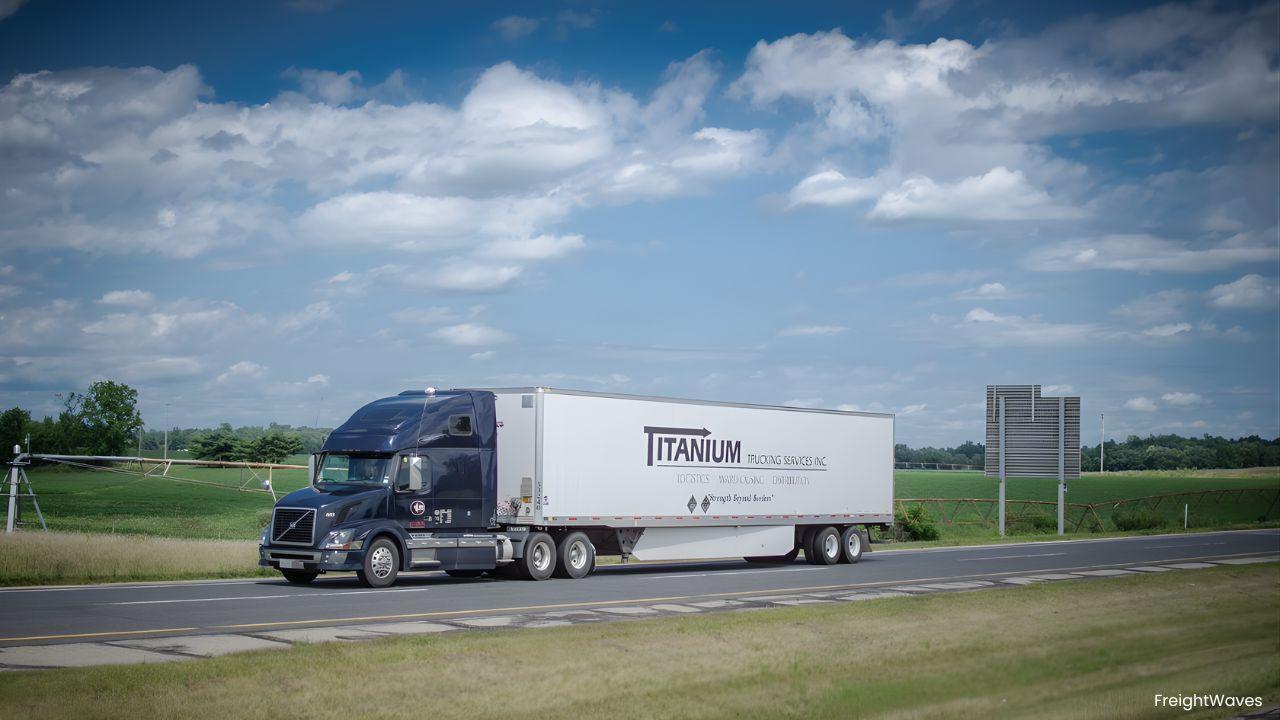
Photo : X / FreightWaves
In a move that is set to reshape the competitive landscape of North America’s logistics sector, Titanium Transportation Group is at the center of a significant buyout development, highlighting the accelerating pace of consolidation within the trucking and supply chain industry. As global logistics networks become more complex and demand for efficiency intensifies, strategic acquisitions are increasingly emerging as a preferred route for companies aiming to scale operations, expand capabilities, and strengthen market positioning. This latest development underscores how mid-to-large-sized logistics players are becoming attractive targets in a rapidly evolving transportation ecosystem.
The buyout of Titanium Transportation reflects a broader industry trend where consolidation is being driven by the need for operational efficiency, technological integration, and cost optimization. Logistics companies today are navigating challenges ranging from fluctuating fuel prices to driver shortages and increasing customer expectations for faster delivery. In this environment, scale has become a critical advantage. By combining resources, networks, and technological capabilities, companies can achieve better route optimization, enhanced service reliability, and improved profitability. This deal signals that the race to build larger, more integrated logistics platforms is intensifying.
Titanium Transportation has established itself as a key player in the trucking and logistics sector, known for its strong fleet operations, cross-border capabilities, and diversified service offerings. Its ability to manage complex freight operations across North America makes it an attractive acquisition target for investors looking to strengthen their footprint in a highly competitive market. The company’s operational expertise, combined with its established customer base, positions it as a strategic asset capable of delivering long-term value in an increasingly demand-driven logistics landscape.
The potential buyout is expected to have ripple effects across the broader logistics ecosystem. For competitors, it raises the stakes, pushing them to explore similar consolidation strategies or invest more heavily in innovation to remain competitive. For customers, the deal could translate into improved service offerings, enhanced network coverage, and greater reliability in freight movement. At the same time, it may also lead to shifts in pricing dynamics and market competition, as larger players gain increased influence over supply chain operations.
This development also highlights how global trade patterns are influencing the logistics industry. As supply chains become more interconnected and demand for seamless transportation solutions grows, companies are under pressure to adapt quickly. Strategic acquisitions like this one are not just about growth, they are about survival in an industry where agility, scale, and technological capability define success. The Titanium Transportation buyout is a clear example of how companies are positioning themselves to meet the demands of a rapidly changing global market.
Looking forward, the implications of this buyout extend beyond immediate market shifts. It signals a future where logistics companies will increasingly rely on partnerships, acquisitions, and technological investments to drive growth. The integration of advanced technologies such as real-time tracking, predictive analytics, and automated logistics systems will likely play a crucial role in shaping the next phase of the industry. For stakeholders across the supply chain, this moment represents both a challenge and an opportunity to innovate and adapt.
As the logistics sector continues to evolve, the Titanium Transportation buyout stands as a defining moment that reflects the broader transformation underway. It is a reminder that in today’s fast-paced and highly competitive environment, strategic decisions can redefine entire industries. For businesses, investors, and policymakers alike, the message is clear, the future of logistics will be driven by scale, efficiency, and the ability to navigate an increasingly complex global landscape.
#trending #latest,#TitaniumTransportation #LogisticsIndustry #SupplyChain #TruckingIndustry #MergersAndAcquisitions








Advances in Aerospace Technology and Commercial Aviation Recovery
Insights into breakthrough aerospace technologies and commercial aviation’s recovery amid 2025 chall

Defense Modernization and Strategic Spending Trends
Explore key trends in global defense modernization and strategic military spending shaping 2025 secu

Tens of Thousands Protest in Serbia on Anniversary of Deadly Roof Collapse
Tens of thousands in Novi Sad mark a year since a deadly station roof collapse that killed 16, prote

Canada PM Carney Apologizes to Trump Over Controversial Reagan Anti-Tariff Ad
Canadian PM Mark Carney apologized to President Trump over an Ontario anti-tariff ad quoting Reagan,

The ad that stirred a hornets nest, and made Canadian PM Carney say sorry to Trump
Canadian PM Mark Carney apologizes to US President Trump after a tariff-related ad causes diplomatic

Bengaluru-Mumbai Superfast Train Approved After 30-Year Wait
Railways approves new superfast train connecting Bengaluru and Mumbai, ending a 30-year demand, easi



