Post by : Saif
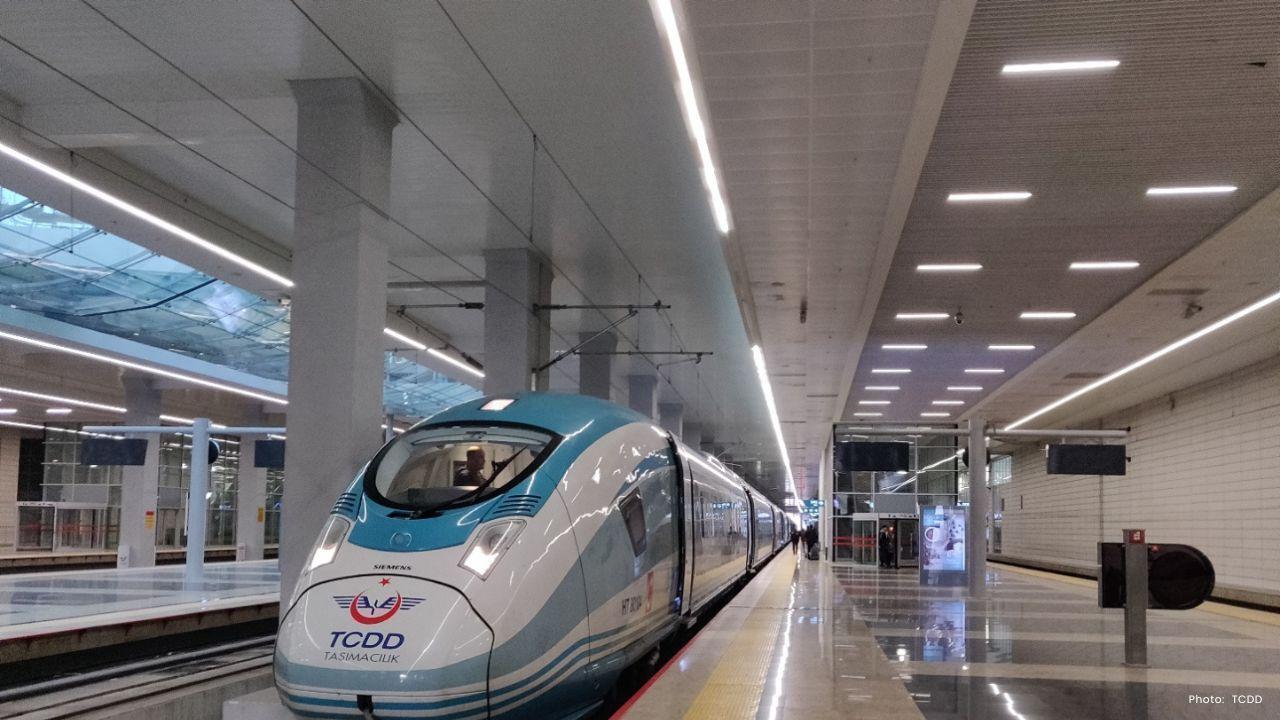
Türkiye has taken a major step toward improving its rail transport system by modernizing 60 railway stations in just one year. The project is part of a wider national effort to upgrade railway infrastructure, improve passenger comfort, and strengthen the country’s transport network.
The modernization work has been carried out across different regions of the country. The goal is to transform older stations into modern transport hubs that offer safer, more comfortable, and more accessible services for passengers.
Rail transport plays an important role in Türkiye’s national transportation system. The network is managed by the state through Turkish State Railways, while train operations are handled by TCDD Taşımacılık, a government-owned company responsible for passenger and freight rail services across the country.
The recent station modernization program focuses on improving facilities for travelers while also supporting the growth of rail transportation.
One of the main objectives of the modernization program is to make railway stations more accessible to all passengers. New elevators, ramps, and improved platforms have been installed to help people with disabilities, elderly passengers, and families traveling with children.
Many stations have also received upgrades to waiting areas, ticket counters, lighting systems, and passenger information displays. These improvements aim to create a more comfortable and efficient travel experience.
Modern security systems have also been introduced in several locations. Better lighting, surveillance cameras, and improved station layouts help create a safer environment for passengers and staff.
Another important part of the project is improving operational efficiency. By upgrading station infrastructure, railway authorities can reduce delays, improve train management, and make the overall transport system more reliable.
The modernization work is also connected to Türkiye’s long-term plans to expand and strengthen its rail network. The government has been investing heavily in railway infrastructure, including high-speed rail lines and electrified tracks.
In recent years, the country has developed one of the fastest-growing high-speed rail systems in the region. High-speed train services connect major cities such as Ankara, Istanbul, and Konya, allowing passengers to travel faster and more comfortably across long distances.
These modern train services require updated station facilities that can support higher passenger numbers and advanced railway technology.
Upgrading railway stations also supports economic development in many regions. Modern stations can become important centers for local transportation, tourism, and business activity.
When stations are improved, nearby areas often see increased economic activity. Shops, restaurants, and other services benefit from the higher number of travelers passing through.
Türkiye’s railway modernization efforts are also linked to its role as a major transport bridge between Europe and Asia. Because of its geographic position, the country plays an important role in international trade routes connecting the two continents.
Investments in rail infrastructure help improve freight transport as well. A stronger railway network allows goods to move faster and more efficiently between ports, factories, and international markets.
Some railway development projects are also supported by international financing and cooperation. These initiatives aim to increase rail freight capacity, reduce travel times, and improve connections between eastern and western regions of the country.
Improving railway stations is an essential part of this larger transformation.
Modern stations not only serve as transportation points but also function as urban centers that bring together different types of transport such as buses, metro lines, and taxis. This helps create smoother travel connections for passengers.
Many countries around the world are investing in railway infrastructure because trains offer several advantages compared with road and air transport. Rail travel is often more environmentally friendly, energy efficient, and capable of moving large numbers of passengers quickly.
Türkiye’s modernization program shows that the government sees railways as a key part of the country’s future transportation strategy.
Experts believe that improving stations will encourage more people to choose trains for both short and long journeys. This can help reduce traffic congestion, lower carbon emissions, and create a more sustainable transportation system.
The modernization of 60 railway stations within a single year is seen as an important milestone in Türkiye’s rail development plans.
However, officials say the work is far from finished. Many more stations are expected to be upgraded in the coming years as the country continues expanding its railway network.
With continued investment and modernization, Türkiye aims to build a railway system that is faster, safer, and more comfortable for passengers while also strengthening its position as a major transport hub connecting Europe and Asia.
#trending #latest #TurkiyeRailways #RailwayModernization #RailInfrastructure #HighSpeedRail #TransportDevelopment #RailwayStations #GlobalTransport #InfrastructureNews #SustainableTransport #armustnews








Advances in Aerospace Technology and Commercial Aviation Recovery
Insights into breakthrough aerospace technologies and commercial aviation’s recovery amid 2025 chall

Defense Modernization and Strategic Spending Trends
Explore key trends in global defense modernization and strategic military spending shaping 2025 secu

Tens of Thousands Protest in Serbia on Anniversary of Deadly Roof Collapse
Tens of thousands in Novi Sad mark a year since a deadly station roof collapse that killed 16, prote

Canada PM Carney Apologizes to Trump Over Controversial Reagan Anti-Tariff Ad
Canadian PM Mark Carney apologized to President Trump over an Ontario anti-tariff ad quoting Reagan,

The ad that stirred a hornets nest, and made Canadian PM Carney say sorry to Trump
Canadian PM Mark Carney apologizes to US President Trump after a tariff-related ad causes diplomatic

Bengaluru-Mumbai Superfast Train Approved After 30-Year Wait
Railways approves new superfast train connecting Bengaluru and Mumbai, ending a 30-year demand, easi



