Post by : Saif
Rising tensions in the Middle East have once again placed the Strait of Hormuz at the center of global attention. The narrow waterway is one of the most important routes for oil shipments in the world. Recently, Donald Trump, President of the United States, called on several countries to help secure the passage and ensure that commercial ships can travel safely through the region.
However, two major U.S. allies—Japan and Australia—have responded carefully and said they do not currently plan to send naval vessels to the area. Their decision highlights the complicated situation facing many countries as tensions between the United States and Iran continue to rise.
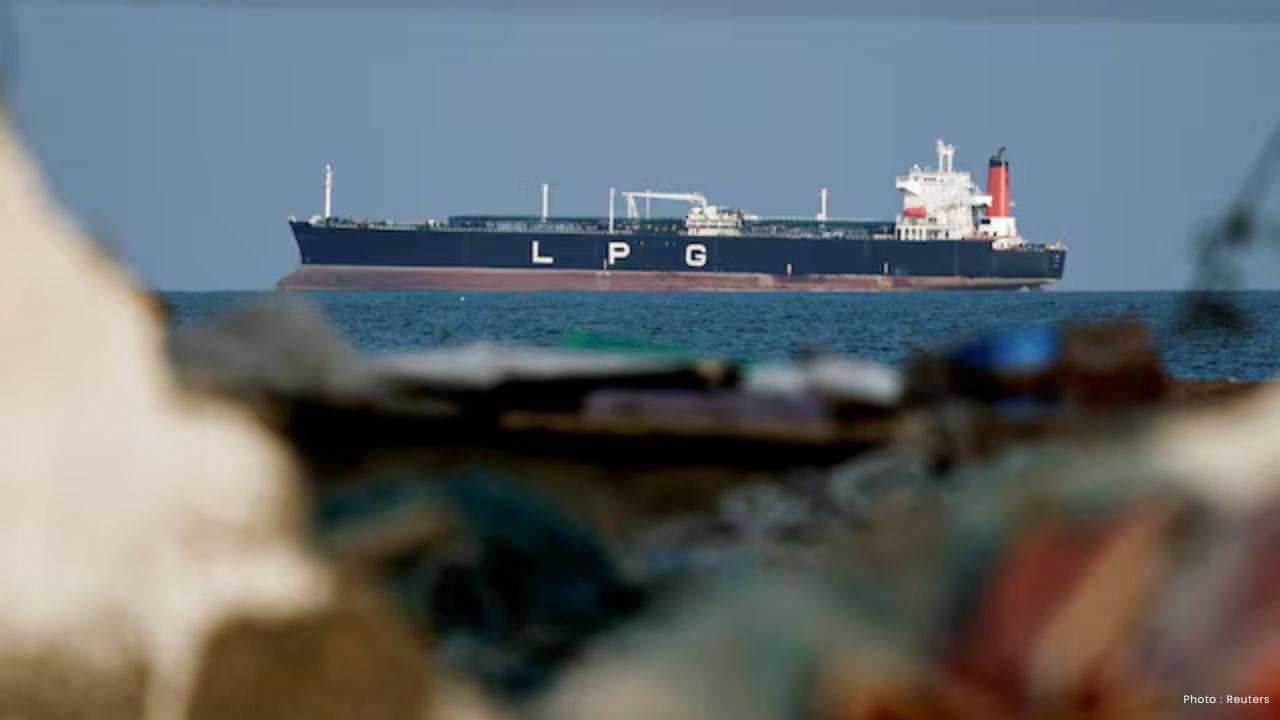
The Strait of Hormuz lies between Iran and Oman and connects the Persian Gulf to the Arabian Sea. Although it is only a narrow stretch of water, it is one of the most important trade routes in the global energy system. Large oil tankers travel through this channel every day, carrying crude oil from Gulf countries to markets in Asia, Europe, and other regions.
Experts say that nearly one-fifth of the world’s oil supply moves through the Strait of Hormuz. Because of this, any disruption in the area can quickly affect energy markets and fuel prices worldwide. Even the possibility of conflict or attacks near the waterway can make shipping companies nervous and cause oil prices to rise.
The latest concerns come during a period of heightened military tension in the Middle East. The ongoing confrontation involving the United States, Israel, and Iran has already led to several military actions across the region. Reports of drone attacks, missile strikes, and security threats near key shipping routes have increased fears about the safety of ships traveling through the strait.
In response to these risks, President Trump has said that protecting the shipping lane should be a shared responsibility. He argued that many countries benefit from the oil transported through the Strait of Hormuz and therefore should help maintain security in the region. According to reports, the United States has reached out to several nations to discuss forming a coalition that could escort oil tankers and commercial ships passing through the area.
Trump has also pointed out that some of the world’s largest economies rely heavily on energy supplies that move through the Gulf. Countries such as China, Japan, and South Korea import large amounts of oil from the region. Because of this dependence, the U.S. administration believes these nations should take part in protecting the vital shipping route.
Despite this request, Japan has made it clear that it is not planning to send warships to the Strait of Hormuz at this time. Japanese leaders explained that the country’s military activities abroad are limited by legal and constitutional rules. Japan’s constitution places strong restrictions on overseas military missions, which means the government must carefully review any decision involving the deployment of defense forces outside the country.
Australia has also taken a cautious approach. Officials in Canberra said that although the country understands the importance of safe maritime trade routes, there are currently no plans to deploy Australian naval forces to the region. The government also indicated that it has not received a direct request from Washington asking for military support.
These responses show the difficult balance many governments must maintain. While they recognize the importance of protecting global trade routes, they are also concerned that sending warships to the region could increase the risk of a wider military conflict.
The tensions surrounding the Strait of Hormuz have already affected global oil markets. Investors and traders are closely watching the situation because any disruption in the waterway could reduce the supply of oil and push prices higher. In recent days, oil prices have risen as fears about possible shipping disruptions increased.
Higher oil prices can have wide-ranging effects on economies around the world. When fuel becomes more expensive, transportation costs rise and businesses often pass those costs on to consumers. This can lead to higher prices for goods and services and can slow economic growth in some countries.
Energy analysts warn that the world remains highly dependent on oil shipments from the Gulf region. If ships are unable to move freely through the Strait of Hormuz, even for a short period, the effects could spread quickly through global markets.
At the same time, diplomatic tensions remain strong. Iran has rejected pressure from the United States and has signaled that it will defend its interests in the region. Military activity on all sides has increased, raising concerns about the possibility of further escalation.
Some experts believe that international cooperation may eventually be necessary to protect the shipping lane and avoid a major disruption to global energy supplies. However, many countries still prefer diplomatic solutions rather than direct military involvement.
The situation shows how closely linked global trade, energy security, and international politics have become. A conflict in one region can quickly influence markets and economies around the world.
For now, the future of the Strait of Hormuz remains uncertain. The United States continues to encourage allies and partners to participate in protecting the shipping route, but many governments are still carefully considering their options.
As the crisis develops, the world will continue to watch the region closely. The safe movement of oil through the Strait of Hormuz remains essential not only for the Middle East but for the stability of the global economy.
#trending #latest #Trump #StraitOfHormuz #IranTensions #MiddleEastCrisis #GlobalOil #EnergySecurity #USForeignPolicy #Japan #Australia #WorldNews




Advances in Aerospace Technology and Commercial Aviation Recovery
Insights into breakthrough aerospace technologies and commercial aviation’s recovery amid 2025 chall

Defense Modernization and Strategic Spending Trends
Explore key trends in global defense modernization and strategic military spending shaping 2025 secu

Tens of Thousands Protest in Serbia on Anniversary of Deadly Roof Collapse
Tens of thousands in Novi Sad mark a year since a deadly station roof collapse that killed 16, prote

Canada PM Carney Apologizes to Trump Over Controversial Reagan Anti-Tariff Ad
Canadian PM Mark Carney apologized to President Trump over an Ontario anti-tariff ad quoting Reagan,

The ad that stirred a hornets nest, and made Canadian PM Carney say sorry to Trump
Canadian PM Mark Carney apologizes to US President Trump after a tariff-related ad causes diplomatic

Bengaluru-Mumbai Superfast Train Approved After 30-Year Wait
Railways approves new superfast train connecting Bengaluru and Mumbai, ending a 30-year demand, easi



