Post by : Avinab Raana
Photo : X / Electrek.co
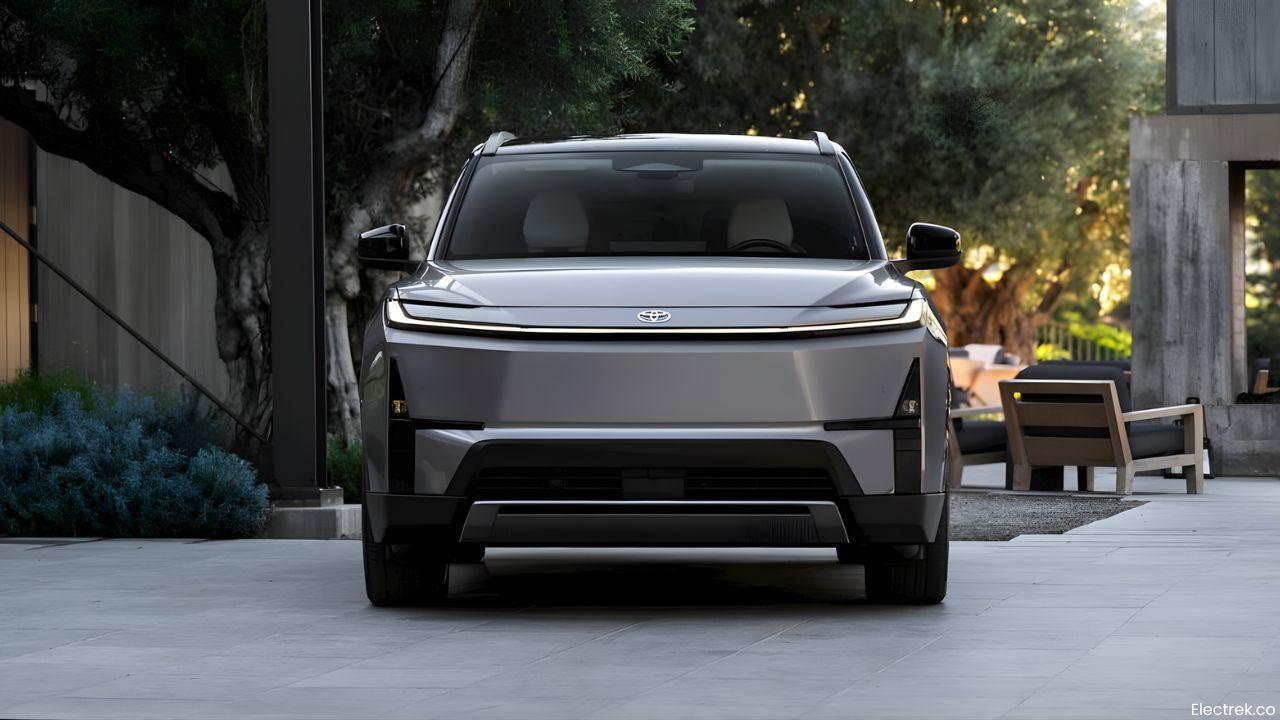
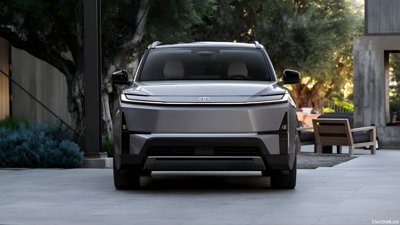
Toyota is preparing to significantly expand its electric vehicle footprint in North America with plans for a second US-built EV, following its upcoming three-row electric Highlander. This move marks a clear turning point for the automaker, which had previously taken a cautious approach toward electrification. Now, facing intensifying competition and regulatory pressure, Toyota is shifting gears moving toward localized production, faster rollout timelines, and a stronger presence in the rapidly evolving EV landscape.
The electric Highlander is expected to play a critical role in Toyota’s transition, bringing electrification into one of the most popular vehicle segments in the US market. Designed as a family-oriented SUV, the model is set to combine long-range capability with practical performance, targeting mainstream adoption rather than niche buyers. By focusing on a high-demand segment, Toyota is aligning its EV strategy with consumer preferences, ensuring broader acceptance and scalability.
The plan to introduce a second US-manufactured EV signals that Toyota is no longer treating electrification as a limited experiment. Instead, it is building a multi-model strategy aimed at expanding its EV portfolio across key segments. While specific details of the second model remain under wraps, the direction is clear. Toyota intends to scale its electric lineup to compete more aggressively with established EV leaders in the US market.
A major pillar of Toyota’s strategy is the localization of production, including both vehicle assembly and battery manufacturing. By producing EVs within the United States, the company can reduce dependency on global supply chains, improve cost efficiency, and respond more effectively to regional demand. This approach also positions Toyota to benefit from policy incentives and strengthens its long-term competitiveness in one of the world’s largest automotive markets.
Toyota’s expanded EV push comes at a time when competitors have already gained significant ground in the electric SUV space. The market is becoming increasingly crowded, with automakers introducing new models and investing heavily in innovation. Toyota’s strategy, however, appears to focus on leveraging its manufacturing expertise and brand reliability to deliver scalable and sustainable growth rather than rushing into the market.
By targeting high-volume segments like SUVs, Toyota is aiming to bring EV technology to a broader audience. This reflects a wider industry shift where electric vehicles are no longer positioned as premium or experimental products but as practical solutions for everyday mobility. The company’s focus on usability, range, and affordability is likely to play a key role in driving adoption across diverse customer groups.
Toyota’s decision to develop a second US-built EV marks a significant evolution in its electrification journey. The company is transitioning from a cautious participant to an active competitor in the global EV race. With localized production, a growing portfolio, and a focus on high-demand segments, Toyota is positioning itself for long-term success in a market that is rapidly redefining the future of transportation. As the industry continues to shift toward electrification, this move could prove to be a defining moment in Toyota’s transformation.
Toyota US EV production, Highlander electric SUV, Toyota EV expansion 2026, US made electric vehicles, Toyota EV strategy, battery manufacturing USA, electric SUV market



Advances in Aerospace Technology and Commercial Aviation Recovery
Insights into breakthrough aerospace technologies and commercial aviation’s recovery amid 2025 chall

Defense Modernization and Strategic Spending Trends
Explore key trends in global defense modernization and strategic military spending shaping 2025 secu

Tens of Thousands Protest in Serbia on Anniversary of Deadly Roof Collapse
Tens of thousands in Novi Sad mark a year since a deadly station roof collapse that killed 16, prote

Canada PM Carney Apologizes to Trump Over Controversial Reagan Anti-Tariff Ad
Canadian PM Mark Carney apologized to President Trump over an Ontario anti-tariff ad quoting Reagan,

The ad that stirred a hornets nest, and made Canadian PM Carney say sorry to Trump
Canadian PM Mark Carney apologizes to US President Trump after a tariff-related ad causes diplomatic

Bengaluru-Mumbai Superfast Train Approved After 30-Year Wait
Railways approves new superfast train connecting Bengaluru and Mumbai, ending a 30-year demand, easi



