Post by : Avinab Raana
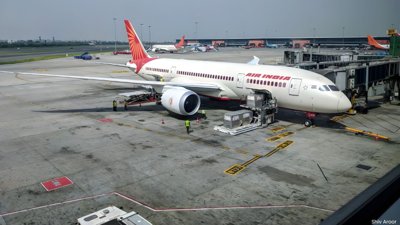
Photo : X / Shiv Aroor
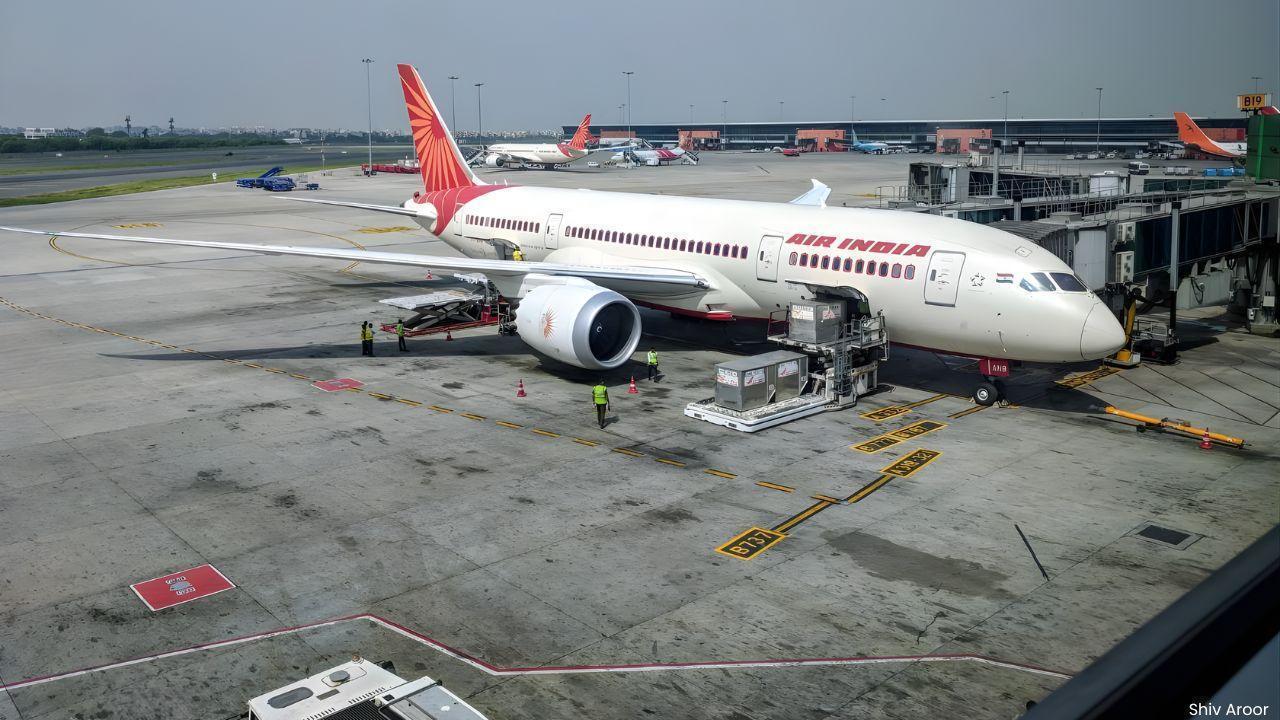
An Air India Boeing 787 Dreamliner operating an international route was forced to divert mid-flight to Jeddah after the crew detected a technical issue, triggering immediate precautionary action. The aircraft, which was en route to London, altered its course as part of standard safety procedures, ensuring a controlled and secure landing. The incident underscores the critical role of real-time monitoring and pilot response in modern aviation, where even minor anomalies are treated with utmost seriousness.
The decision to divert was taken swiftly by the flight crew, reflecting the aviation industry’s uncompromising focus on safety. Modern aircraft systems are designed to detect irregularities early, allowing pilots to make informed decisions before situations escalate. In this case, the diversion ensured that the aircraft could be inspected thoroughly on the ground, minimizing any potential risk to passengers and crew. The safe landing at Jeddah highlights the effectiveness of established safety protocols in handling in-flight technical challenges.
While the aircraft landed safely, such diversions inevitably disrupt airline operations, affecting schedules, passenger connections, and aircraft utilization. Long-haul flights, particularly those connecting major global hubs, operate within tightly coordinated timelines, and any deviation can create cascading delays. Airlines must quickly adjust logistics, arrange alternative travel plans for passengers, and deploy maintenance teams to assess the aircraft, demonstrating the complexity of managing modern aviation networks.
The Boeing 787 Dreamliner, known for its advanced technology and fuel efficiency, remains a cornerstone of long-haul aviation. However, incidents involving technical glitches, even when handled safely, continue to draw attention to aircraft reliability and maintenance practices. Each event contributes to ongoing industry scrutiny, reinforcing the importance of rigorous inspection regimes and continuous system monitoring to ensure consistent performance across global fleets.
For passengers, such incidents are a mix of reassurance and inconvenience. While the safe diversion reinforces confidence in aviation safety standards, unexpected landings can lead to delays, missed connections, and logistical challenges. Airlines are increasingly focusing on improving communication and support during such events, recognizing that passenger experience extends beyond the flight itself to how disruptions are managed.
The incident highlights a fundamental strength of modern aviation—the ability to respond effectively to unforeseen situations. Aircraft systems are built with multiple redundancies, and crew training emphasizes rapid decision-making under pressure. Diversions, while disruptive, are a testament to this layered safety approach, ensuring that risks are mitigated long before they become critical.
The diversion of the Air India Dreamliner to Jeddah serves as a reminder that aviation safety is not defined by the absence of issues, but by how effectively they are managed. In an industry where millions of flights operate annually, the ability to detect, respond, and resolve technical challenges in real time is what ensures passenger confidence. As airlines continue to expand and modernize fleets, such incidents reinforce a key reality—safety remains the foundation on which global aviation operates.
Air India Dreamliner diversion, Boeing 787 technical issue, Jeddah emergency landing, aviation safety India, flight diversion 2026, airline operations disruption, Dreamliner reliability






Advances in Aerospace Technology and Commercial Aviation Recovery
Insights into breakthrough aerospace technologies and commercial aviation’s recovery amid 2025 chall

Defense Modernization and Strategic Spending Trends
Explore key trends in global defense modernization and strategic military spending shaping 2025 secu

Tens of Thousands Protest in Serbia on Anniversary of Deadly Roof Collapse
Tens of thousands in Novi Sad mark a year since a deadly station roof collapse that killed 16, prote

Canada PM Carney Apologizes to Trump Over Controversial Reagan Anti-Tariff Ad
Canadian PM Mark Carney apologized to President Trump over an Ontario anti-tariff ad quoting Reagan,

The ad that stirred a hornets nest, and made Canadian PM Carney say sorry to Trump
Canadian PM Mark Carney apologizes to US President Trump after a tariff-related ad causes diplomatic

Bengaluru-Mumbai Superfast Train Approved After 30-Year Wait
Railways approves new superfast train connecting Bengaluru and Mumbai, ending a 30-year demand, easi



