Post by : Avinab Raana
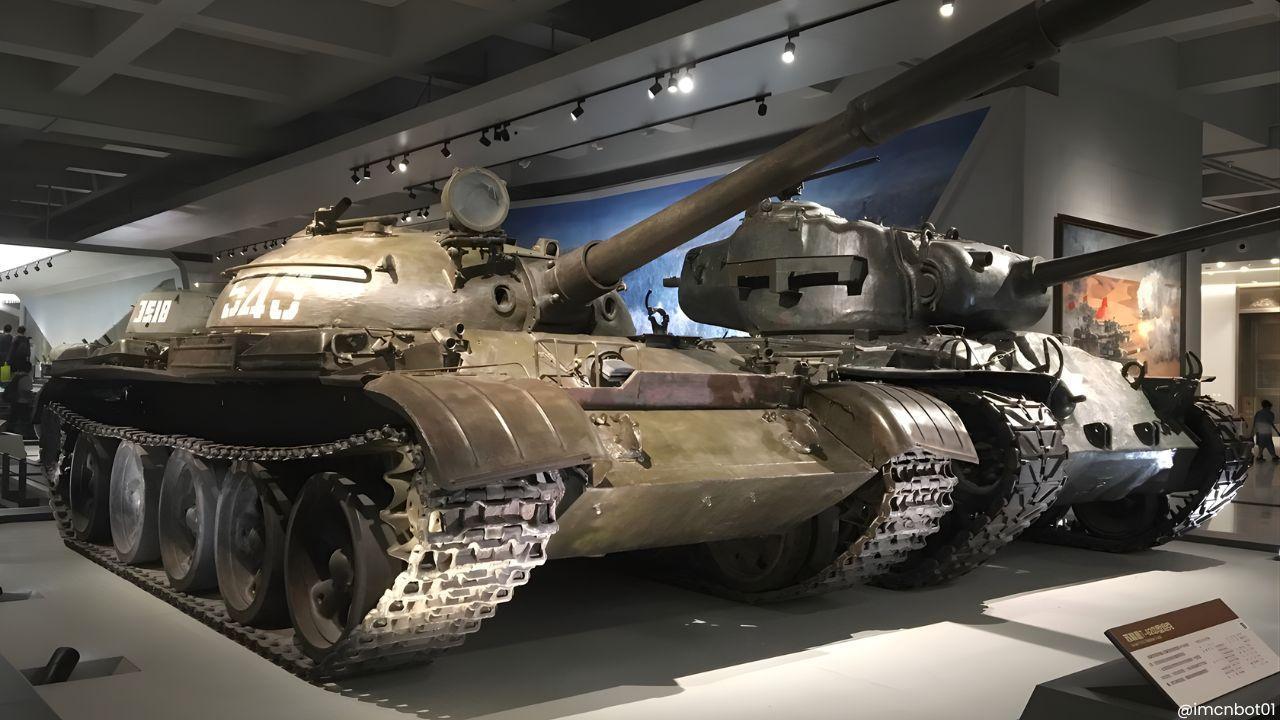
In a striking development that reflects deeper shifts within Russia’s military structure, reports suggest that remaining T-64 tanks are being removed from storage—not for deployment or refurbishment, but to be repurposed as static monuments across cities. This unusual move signals more than symbolic reuse; it points toward a growing reality where older armored platforms are no longer considered viable for modern warfare. In a conflict environment defined by advanced surveillance, drones, and precision strikes, legacy systems are increasingly losing their operational relevance.
The T-64, once a cornerstone of Soviet-era armored power, has gradually been phased out of active Russian service for decades. Originally designed during the Cold War, the platform has struggled to keep pace with modern battlefield requirements, particularly in terms of armor protection, electronics, and engine reliability. Many of the tanks stored over the years have reportedly deteriorated significantly, making restoration both technically challenging and economically inefficient. This degradation has effectively pushed the T-64 out of the pool of deployable reserve assets.
The ongoing conflict has placed unprecedented strain on Russia’s armored fleet, forcing the military to draw from long-term storage reserves to replenish battlefield losses. While more advanced tanks like the T-72 and T-90 are being refurbished and redeployed, older platforms such as the T-64 appear to have reached the end of their lifecycle. The decision to convert these tanks into monuments suggests that the cost and effort required to bring them back into service outweigh any potential tactical value they could provide.
Turning former military assets into monuments is not merely a cultural gesture, it also reflects a practical acknowledgment of limitations. By removing T-64 tanks from storage permanently, Russia is effectively narrowing its reserve pool, relying instead on newer or more maintainable platforms. This shift highlights a broader strategic reality where quantity alone is no longer sufficient; modern warfare demands systems that can integrate with advanced technologies and operate in highly dynamic combat environments.
Another key factor influencing this decision is the industrial capacity required to restore aging equipment. Rebuilding decades-old tanks involves sourcing obsolete components, upgrading outdated systems, and ensuring compatibility with modern logistics chains. With defense production already focused on manufacturing and upgrading newer models, diverting resources to revive T-64 tanks may not be a viable option. This highlights the growing importance of efficient production cycles and modernization capabilities in sustaining military readiness.
The removal of T-64 tanks from reserve status reflects a broader trend in military planning phasing out legacy systems that no longer meet operational demands. As warfare evolves, the gap between outdated and modern equipment continues to widen, making it increasingly difficult to rely on older platforms even in reserve roles. This transition underscores the need for continuous modernization and highlights the risks associated with maintaining large but aging stockpiles.
The repurposing of T-64 tanks into monuments may appear symbolic on the surface, but it carries deeper strategic implications. It reveals a military adapting to the realities of modern warfare, where outdated equipment is no longer an asset but a liability. As conflicts become more technologically driven, the focus is shifting toward quality, integration, and sustainability leaving legacy systems behind as relics of a different era.
Russia T-64 tanks, Soviet tank retirement, Russian military reserves, Ukraine war equipment losses, armored fleet decline, defense logistics Russia, military hardware shortages







Advances in Aerospace Technology and Commercial Aviation Recovery
Insights into breakthrough aerospace technologies and commercial aviation’s recovery amid 2025 chall

Defense Modernization and Strategic Spending Trends
Explore key trends in global defense modernization and strategic military spending shaping 2025 secu

Tens of Thousands Protest in Serbia on Anniversary of Deadly Roof Collapse
Tens of thousands in Novi Sad mark a year since a deadly station roof collapse that killed 16, prote

Canada PM Carney Apologizes to Trump Over Controversial Reagan Anti-Tariff Ad
Canadian PM Mark Carney apologized to President Trump over an Ontario anti-tariff ad quoting Reagan,

The ad that stirred a hornets nest, and made Canadian PM Carney say sorry to Trump
Canadian PM Mark Carney apologizes to US President Trump after a tariff-related ad causes diplomatic

Bengaluru-Mumbai Superfast Train Approved After 30-Year Wait
Railways approves new superfast train connecting Bengaluru and Mumbai, ending a 30-year demand, easi



