Post by : Avinab Raana
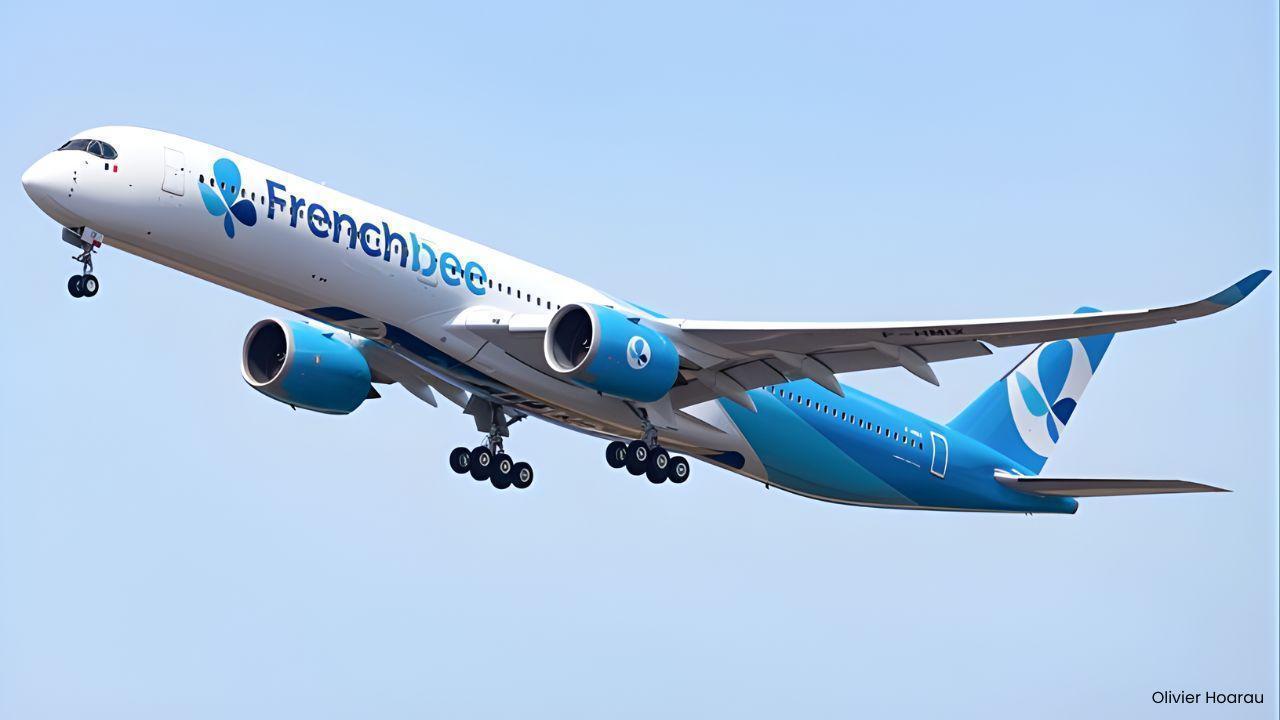
Photo : X / Olivier Hoarau
In a bold strategic move that defies its modest size, a small airline has unveiled plans to acquire 480-seat A350s as it eyes entry into competitive airline expansion USA markets. The announcement signals a shift in long-haul aircraft strategy, with the carrier positioning itself to compete on transcontinental and transatlantic routes against much larger rivals. This development has captured industry attention, not just for the scale of the aircraft involved but for what it could mean for market dynamics in premium and leisure travel segments.
The Airbus A350 has become a preferred platform for long-haul services thanks to its fuel efficiency, range and passenger comfort. However, specifying 480-seat A350s is notable for a smaller operator, as it suggests the airline believes there is robust demand on high-traffic USA routes. With operating economics that rival larger widebody jets, the aircraft offers opportunities to balance capacity and unit cost on dense long-haul sectors. The airline’s leadership has framed the decision as a proactive bet on future travel volumes, particularly in post-pandemic markets where premium leisure traffic remains resilient.
For an airline of limited scale, launching service with such large aircraft requires careful network planning. Analysts suggest that deploying the A350s on routes to major U.S. gateways where both business and leisure demand converge could help the carrier establish a foothold and build brand recognition.The decision to pursue airline expansion USA routes may also reflect broader trends in aviation demand, where direct long-haul services between secondary markets and key U.S. cities are gaining traction among travellers seeking non-stop options.
Despite the potential upside, integrating 480-seat A350s into a smaller carrier’s fleet poses risks. Operational complexity, crew training, fleet financing and airport compatibility are all factors that must be balanced against growth ambitions. With major hubs offering ground support and connectivity advantages, the airline will need to ensure that its long-haul strategy can be sustained commercially. Nonetheless, if demand materialises as anticipated, the move could position the airline as a nimble competitor in an otherwise consolidation-driven landscape.
The pursuit of large widebody aircraft by a smaller carrier highlights a shifting view of capacity deployment in global aviation. Carriers are increasingly willing to experiment with fleet scale and network reach, particularly where data suggests untapped passenger interest. By embracing long-haul aircraft strategy centred on the A350’s efficiency, this airline is staking its future on connecting more travellers to high-demand U.S. destinations.
As the airline progresses toward its goal of operating 480-seat A350s into the United States, the industry will be watching closely how this ambitious strategy performs in practice. The blend of modern widebody technology with aggressive network aspirations could redefine expectations for what smaller carriers can achieve on the long-haul stage.
480-seat A350s, airline expansion USA, long-haul aircraft strategy










Advances in Aerospace Technology and Commercial Aviation Recovery
Insights into breakthrough aerospace technologies and commercial aviation’s recovery amid 2025 chall

Defense Modernization and Strategic Spending Trends
Explore key trends in global defense modernization and strategic military spending shaping 2025 secu

Tens of Thousands Protest in Serbia on Anniversary of Deadly Roof Collapse
Tens of thousands in Novi Sad mark a year since a deadly station roof collapse that killed 16, prote

Canada PM Carney Apologizes to Trump Over Controversial Reagan Anti-Tariff Ad
Canadian PM Mark Carney apologized to President Trump over an Ontario anti-tariff ad quoting Reagan,

The ad that stirred a hornets nest, and made Canadian PM Carney say sorry to Trump
Canadian PM Mark Carney apologizes to US President Trump after a tariff-related ad causes diplomatic

Bengaluru-Mumbai Superfast Train Approved After 30-Year Wait
Railways approves new superfast train connecting Bengaluru and Mumbai, ending a 30-year demand, easi



