Post by : Saif
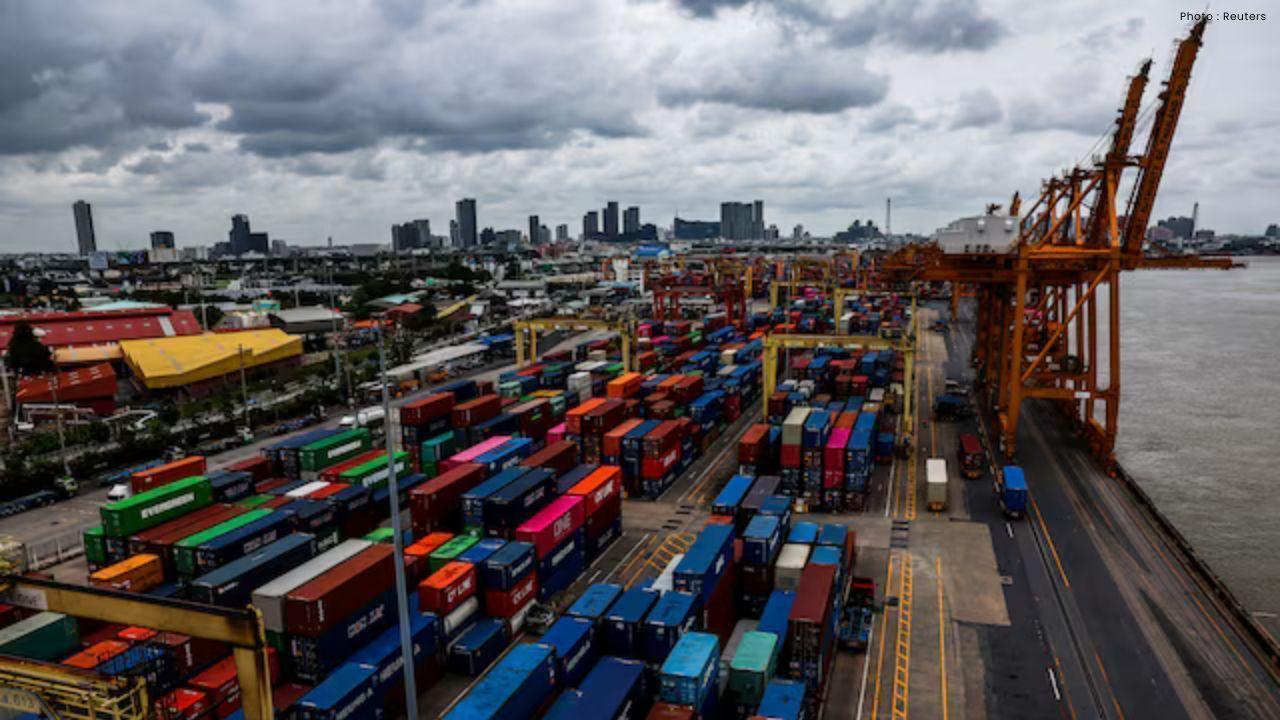
Thailand is facing growing pressure in global trade as it prepares to respond to a major investigation launched by the United States. The country has been asked to submit its official comments by April 15 under a Section 301 probe, a legal tool used by the U.S. to examine unfair trade practices.
This deadline is important because failing to respond properly could lead to tariffs on Thai exports. Officials in Thailand have made it clear that the country must defend its position carefully to avoid economic damage.
The investigation is part of a broader move by the United States to review trade practices of several countries. Thailand is one of 16 nations being examined under Section 301 of the Trade Act of 1974. This law allows the U.S. government to take action, including imposing tariffs, if it believes that another country’s policies harm American businesses.
The probe focuses on areas such as excess production in industries like automobiles, machinery, seafood, animal feed, and garments. There is also a separate concern about goods that may be linked to forced labour. These issues are central to the U.S. investigation and could influence its final decision.
For Thailand, the stakes are high. The United States is one of its key trading partners, and any new tariffs could affect exports, businesses, and jobs. In the past, Thai goods have already faced tariffs, and further measures could increase pressure on the country’s economy.
Thai officials have said they are already in discussions with U.S. authorities. The goal is to explain the country’s trade practices and avoid penalties. However, the timeline is tight, and the response must be detailed and convincing.
This situation is not just about Thailand. It reflects a larger shift in global trade policies. The United States has recently increased its use of Section 301 investigations to rebuild tariff pressure and protect domestic industries. These actions come after earlier tariff programs faced legal challenges in U.S. courts.
From an editorial point of view, this development shows how trade disputes are becoming more complex and more frequent. Countries are not only competing in markets but also defending their policies under international scrutiny.
For developing economies like Thailand, such investigations can be challenging. On one hand, they need to maintain strong export growth. On the other hand, they must meet global standards and respond to concerns raised by larger economies.
The risk of tariffs is especially serious. Tariffs make goods more expensive in the importing country, which can reduce demand. If Thai products become costlier in the U.S., buyers may shift to other countries, affecting Thailand’s industries.
At the same time, the investigation also raises questions about fairness in global trade. While countries have the right to protect their industries, such actions can lead to tension and even trade wars. When multiple countries are involved, the impact can spread quickly across regions.
Thailand is also working on strengthening its trade ties with other partners, including the European Union. Ongoing free trade agreement talks may help reduce dependence on any single market and provide new opportunities.
The coming weeks will be critical. Thailand must present a clear and strong response before the April 15 deadline. The outcome of this process could shape its trade relations with the United States for years to come.
In conclusion, the Section 301 probe is more than just a legal process. It is a test of how countries manage trade relations in a changing global environment. For Thailand, it is both a challenge and an opportunity — a challenge to defend its policies, and an opportunity to strengthen its position in global trade.
#trending #latest #Thailand #USTrade #Section301 #GlobalTrade #Tariffs #Economy #TradeWar #BusinessNews #armustnews






Advances in Aerospace Technology and Commercial Aviation Recovery
Insights into breakthrough aerospace technologies and commercial aviation’s recovery amid 2025 chall

Defense Modernization and Strategic Spending Trends
Explore key trends in global defense modernization and strategic military spending shaping 2025 secu

Tens of Thousands Protest in Serbia on Anniversary of Deadly Roof Collapse
Tens of thousands in Novi Sad mark a year since a deadly station roof collapse that killed 16, prote

Canada PM Carney Apologizes to Trump Over Controversial Reagan Anti-Tariff Ad
Canadian PM Mark Carney apologized to President Trump over an Ontario anti-tariff ad quoting Reagan,

The ad that stirred a hornets nest, and made Canadian PM Carney say sorry to Trump
Canadian PM Mark Carney apologizes to US President Trump after a tariff-related ad causes diplomatic

Bengaluru-Mumbai Superfast Train Approved After 30-Year Wait
Railways approves new superfast train connecting Bengaluru and Mumbai, ending a 30-year demand, easi



