Post by : Avinab Raana
Photo : X / invezz.com
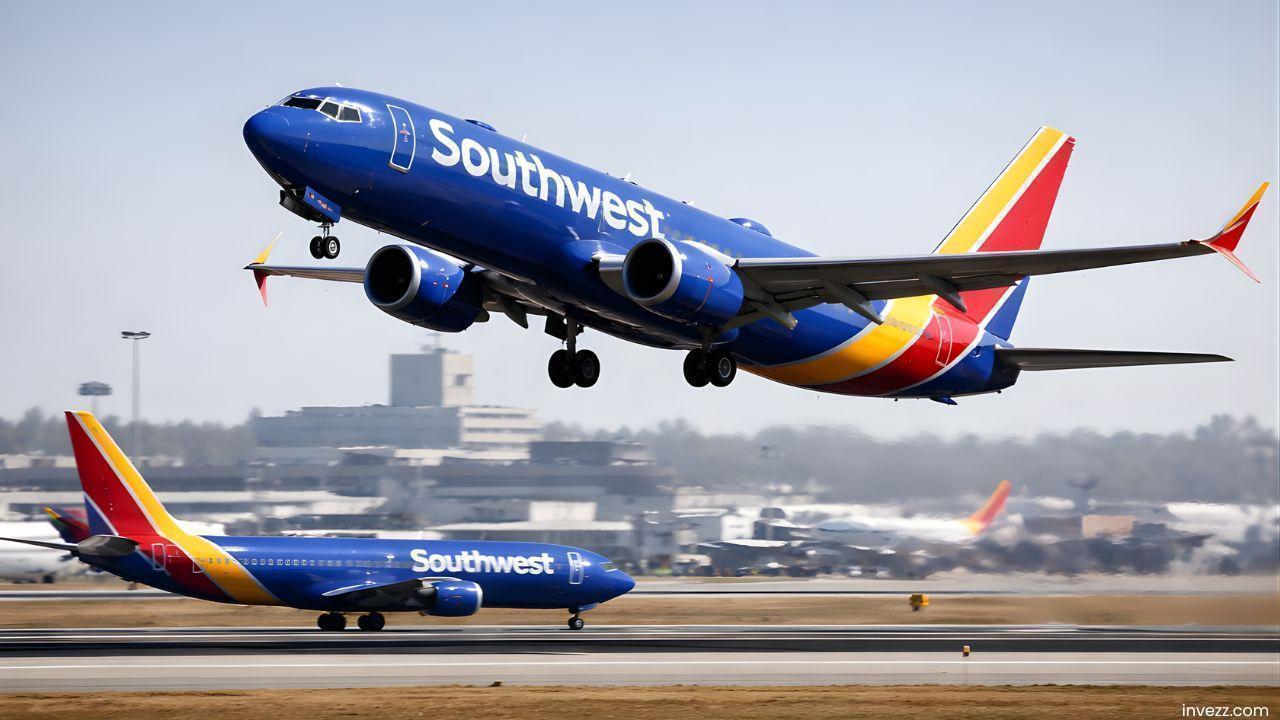
Southwest Airlines is navigating one of the most complex phases in its operational history, as it balances engine shortages with an ambitious transition to the Boeing 737 MAX fleet. At a time when airlines are racing to modernize fleets for efficiency and sustainability, Southwest finds itself managing a delicate equation—ensuring operational continuity while dealing with limited engine availability and supply chain constraints that are reshaping aviation globally.
Unlike most global carriers, Southwest operates an all-Boeing 737 fleet, a strategy that has historically delivered simplicity and cost efficiency. However, this same model now presents a unique vulnerability. With more than 800 aircraft powered by a mix of CFM engines, any disruption in engine supply or maintenance cycles has a direct and amplified impact on operations. The airline is now prioritizing engine availability as a critical factor, ensuring sufficient “green time” to keep aircraft flying without interruptions.
The global aviation supply chain continues to face pressure, particularly in the availability of spare engines and critical components. Southwest is working closely with maintenance partners and engine manufacturers to manage these constraints, relying on a mix of long-term agreements, fixed-price contracts, and flexible maintenance strategies. This approach allows the airline to optimize engine usage, decide when to retain or sell assets, and maintain operational resilience despite ongoing shortages.
Compounding the challenge is the delayed certification and delivery timeline of the Boeing 737 MAX 7, a key aircraft intended to replace older 737-700 models. While the airline expects certification to be completed soon, the entry into service is projected around 2027, forcing Southwest to adjust its fleet planning and continue operating older, less fuel-efficient aircraft longer than anticipated. This delay not only impacts cost efficiency but also slows the airline’s broader modernization strategy.
In response to these challenges, Southwest is adopting a highly strategic approach to fleet and engine management. Decisions are increasingly driven by economic factors whether to extend engine life, invest in maintenance, or redeploy assets. The airline’s ability to maintain reliability while controlling costs will be critical as it navigates this transition period. Every operational decision now carries long-term implications for both profitability and fleet sustainability.
Southwest’s situation is not isolated, it reflects a broader trend across the aviation industry, where engine supply constraints and delayed aircraft deliveries are forcing airlines to rethink their strategies. The growing complexity of modern engines, combined with global supply disruptions, is placing unprecedented pressure on maintenance networks. Airlines are now investing more heavily in MRO partnerships and predictive maintenance to stay ahead of these challenges.
As Southwest continues its transition to the Boeing 737 MAX fleet, the airline’s ability to navigate engine constraints will play a decisive role in shaping its future. This phase is not just about overcoming temporary challenges. It is about redefining how airlines manage fleets in an era of uncertainty. The outcome will likely influence industry best practices, as carriers worldwide look for ways to balance modernization with operational resilience in an increasingly complex aviation landscape.
#trending #latest,#SouthwestAirlines #Boeing737MAX #AviationMRO #EngineShortage #FleetTransition








Advances in Aerospace Technology and Commercial Aviation Recovery
Insights into breakthrough aerospace technologies and commercial aviation’s recovery amid 2025 chall

Defense Modernization and Strategic Spending Trends
Explore key trends in global defense modernization and strategic military spending shaping 2025 secu

Tens of Thousands Protest in Serbia on Anniversary of Deadly Roof Collapse
Tens of thousands in Novi Sad mark a year since a deadly station roof collapse that killed 16, prote

Canada PM Carney Apologizes to Trump Over Controversial Reagan Anti-Tariff Ad
Canadian PM Mark Carney apologized to President Trump over an Ontario anti-tariff ad quoting Reagan,

The ad that stirred a hornets nest, and made Canadian PM Carney say sorry to Trump
Canadian PM Mark Carney apologizes to US President Trump after a tariff-related ad causes diplomatic

Bengaluru-Mumbai Superfast Train Approved After 30-Year Wait
Railways approves new superfast train connecting Bengaluru and Mumbai, ending a 30-year demand, easi



