Post by : Saif
Six months after the US-Israeli war with Iran began, conflicts around the world are affecting a major share of global oil production, increasing pressure on energy markets and raising concerns about fuel supplies.
Reuters calculations based on International Energy Agency data show that countries affected by conflicts produced around 45 million barrels of oil per day in 2025, accounting for more than 43% of global oil supply.
The disruptions have created one of the most severe challenges for global energy markets in recent history, with uncertainty continuing over when major supply problems will ease.
The war involving Iran has become a major source of disruption in the global oil market.
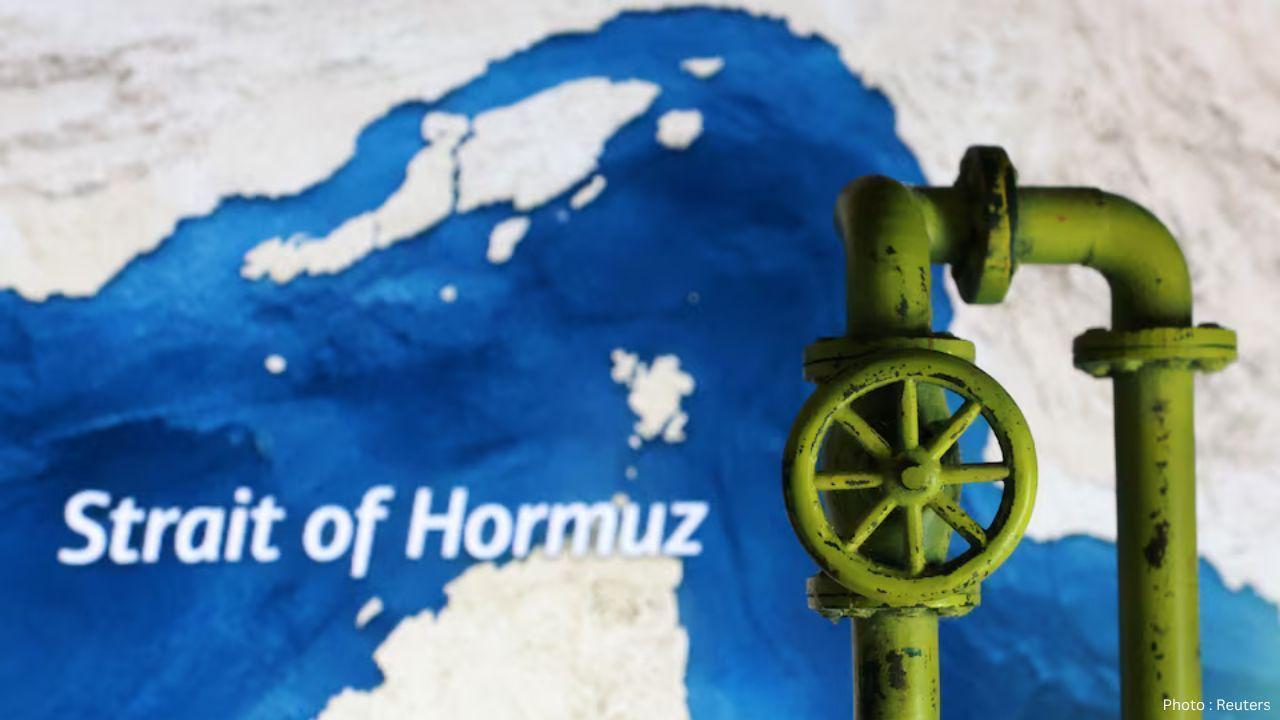
Oil flows through and around the Strait of Hormuz have been heavily affected, while Gulf producers have taken alternative routes to move crude to international markets.
Analysts estimate that the current disruption to Gulf oil supplies is around 5 million to 7 million barrels per day.
The Strait of Hormuz is particularly important to global energy markets because large volumes of crude oil and petroleum products normally pass through the waterway.
The Russia-Ukraine conflict has also affected oil production and refining capacity.
Ukraine has targeted parts of Russia's refining network, including facilities located far from the front lines. These attacks have contributed to fuel shortages inside Russia and prompted Moscow to restrict gasoline and diesel exports.
The disruption has tightened fuel markets internationally and increased pressure on countries that depend on imported refined products.
Other developments have further complicated the global oil market.
Ongoing conflict in Libya has affected energy production, while US restrictions on Venezuelan oil exports have added another source of pressure.
Together with disruptions in the Middle East and Russia, these developments have increased the importance of oil supplies from countries outside conflict zones, particularly the United States.
However, US production has also faced occasional interruptions because of severe weather.
Read more: Tata and Hyundai Urge India to Remove Emission Concession That Favors Small Cars
The impact of the conflicts extends beyond crude oil production.
The wars in Iran and Ukraine have reduced global refining capacity by approximately 10%, according to the report.
Ukraine's attacks on Russian refineries have reduced fuel production, while disruptions across the Gulf have added further pressure to an already tight refining market.
Russia has responded to domestic fuel shortages by restricting gasoline and diesel exports, reducing the availability of refined products in international markets.
Higher energy prices are increasingly affecting consumers and governments.
Rising fuel costs have become an important driver of inflation, increasing transportation and production expenses and putting additional pressure on household budgets.
In the United States, diesel prices have reached record levels despite refiners operating at high capacity.
Higher energy costs can also contribute to increased borrowing costs as governments and central banks respond to inflationary pressure.
The International Energy Agency has released record volumes of oil from emergency stockpiles to help stabilize markets during the supply shock.
However, those emergency releases are now largely complete while global oil inventories continue to decline.
That leaves energy markets more exposed to additional disruptions if conflict expands or major transportation routes remain restricted.
The current situation highlights the vulnerability of global oil markets to geopolitical conflicts.
While not all supply disruptions occurred simultaneously, the concentration of major oil-producing countries in conflict-affected regions has increased the risk of further shortages.
Attacks around the Red Sea and near Egypt's Suez Canal have also demonstrated the potential for disruptions to important shipping routes.
With the Iran war continuing and risks surrounding Russia, Ukraine and other oil-producing regions remaining high, global energy markets face continued uncertainty.
#trending #latest #IranWar #OilCrisis #GlobalOil #OilSupply #EnergyCrisis #CrudeOil #OilPrices #StraitOfHormuz #MiddleEast #GlobalEnergy #EnergyMarkets #FuelPrices #OilMarket #Iran #Israel #RussiaUkraineWar #OilRefining







Advances in Aerospace Technology and Commercial Aviation Recovery
Insights into breakthrough aerospace technologies and commercial aviation’s recovery amid 2025 chall

Defense Modernization and Strategic Spending Trends
Explore key trends in global defense modernization and strategic military spending shaping 2025 secu

Tens of Thousands Protest in Serbia on Anniversary of Deadly Roof Collapse
Tens of thousands in Novi Sad mark a year since a deadly station roof collapse that killed 16, prote

Canada PM Carney Apologizes to Trump Over Controversial Reagan Anti-Tariff Ad
Canadian PM Mark Carney apologized to President Trump over an Ontario anti-tariff ad quoting Reagan,

The ad that stirred a hornets nest, and made Canadian PM Carney say sorry to Trump
Canadian PM Mark Carney apologizes to US President Trump after a tariff-related ad causes diplomatic

Bengaluru-Mumbai Superfast Train Approved After 30-Year Wait
Railways approves new superfast train connecting Bengaluru and Mumbai, ending a 30-year demand, easi



