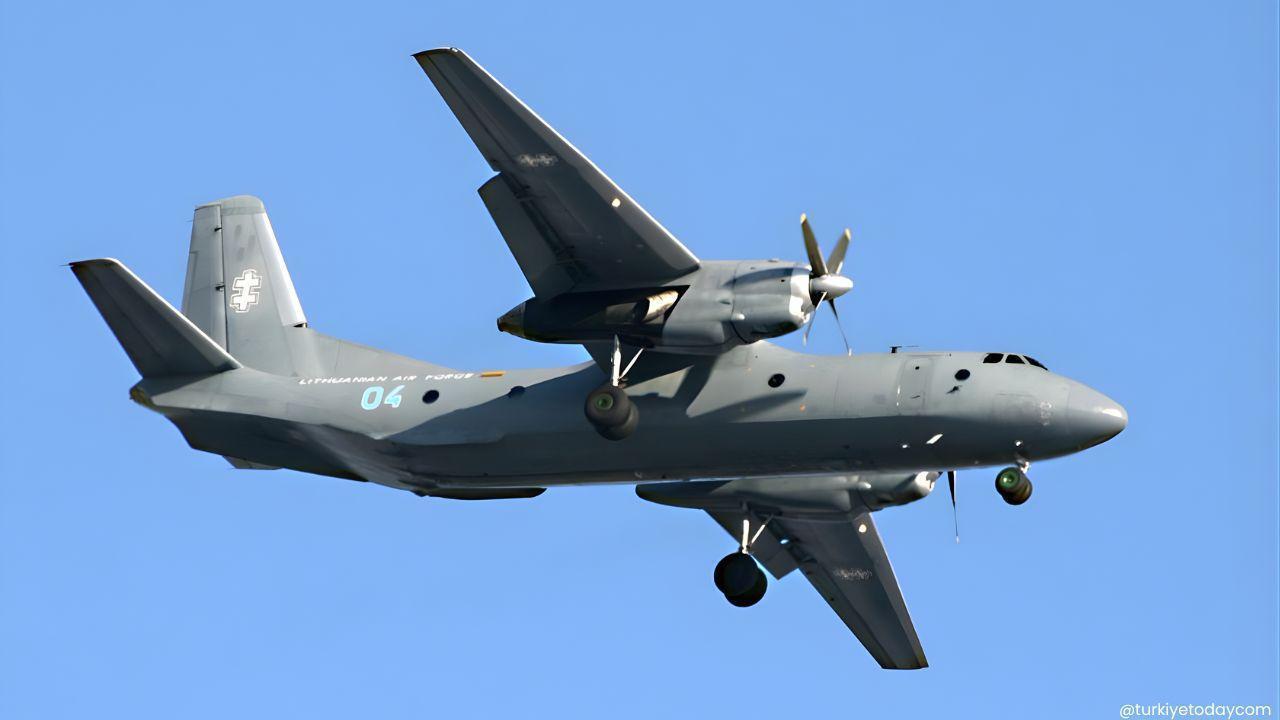
Post by : Avinab Raana
Photo : X / @turkiyetodaycom
A Russian Antonov An-26 aircraft has crashed in Crimea, triggering immediate emergency response operations and raising serious questions about aviation safety in the region. The incident, involving a military transport aircraft widely used for logistical operations, has once again brought attention to the risks associated with aging fleets operating under complex and often high-pressure conditions. As authorities begin their investigation, the crash stands as a stark reminder of the challenges facing aviation systems where operational demands intersect with older aircraft technology.
The aircraft reportedly went down during a routine flight, with initial reports suggesting a rapid loss of control before impact. While full details are still emerging, early indications point toward possible technical failure or adverse operational conditions, both of which are common factors in similar incidents involving legacy aircraft platforms.
Emergency services were quickly deployed to the crash site, but the severity of the incident has led to concerns over casualties and the extent of damage. The remote and complex terrain of Crimea has further complicated rescue and recovery efforts, delaying a complete assessment of the situation.
The Antonov An-26 has long been a reliable workhorse for military and civilian operators, known for its versatility and ability to operate in challenging environments. However, the aircraft’s design dates back several decades, and many units in operation today are significantly aged.
This raises a critical issue, while these aircraft have proven durable, maintaining their safety standards requires rigorous upkeep, consistent modernization, and access to high-quality replacement parts. In regions where supply chains and maintenance capabilities are under strain, these factors can become significant vulnerabilities.
This latest crash is likely to intensify scrutiny over the continued use of older aircraft across military and regional aviation networks. Aging fleets are not uncommon globally, but they present increasing risks as systems degrade over time and operational demands grow more complex.
The situation is further compounded in regions experiencing geopolitical tension, where aircraft may be subjected to extended operational hours, challenging environments, and limited access to maintenance resources. These conditions can accelerate wear and increase the likelihood of technical failures, making safety oversight more critical than ever.
Beyond the immediate tragedy, the crash highlights a broader issue facing the aviation industry, how to balance operational necessity with long-term safety and modernization. As newer aircraft technologies emerge, the gap between legacy systems and modern safety standards continues to widen, forcing operators to make difficult decisions about fleet upgrades and resource allocation.
For global aviation stakeholders, this incident serves as a reminder that safety cannot be compromised, regardless of operational pressures. Continuous investment in maintenance, training, and modernization is essential to prevent such tragedies and ensure that aviation systems remain reliable and resilient.
As investigations continue, the findings from this crash will likely contribute to ongoing discussions about fleet management, regulatory oversight, and the future of aging aircraft in a rapidly evolving aviation landscape.
#trending #latest,#An26Crash #AviationSafety #RussiaAirForce #AircraftAccident #FlightSafety








Advances in Aerospace Technology and Commercial Aviation Recovery
Insights into breakthrough aerospace technologies and commercial aviation’s recovery amid 2025 chall

Defense Modernization and Strategic Spending Trends
Explore key trends in global defense modernization and strategic military spending shaping 2025 secu

Tens of Thousands Protest in Serbia on Anniversary of Deadly Roof Collapse
Tens of thousands in Novi Sad mark a year since a deadly station roof collapse that killed 16, prote

Canada PM Carney Apologizes to Trump Over Controversial Reagan Anti-Tariff Ad
Canadian PM Mark Carney apologized to President Trump over an Ontario anti-tariff ad quoting Reagan,

The ad that stirred a hornets nest, and made Canadian PM Carney say sorry to Trump
Canadian PM Mark Carney apologizes to US President Trump after a tariff-related ad causes diplomatic

Bengaluru-Mumbai Superfast Train Approved After 30-Year Wait
Railways approves new superfast train connecting Bengaluru and Mumbai, ending a 30-year demand, easi



