Post by : Avinab Raana
Photo : X / Reuters
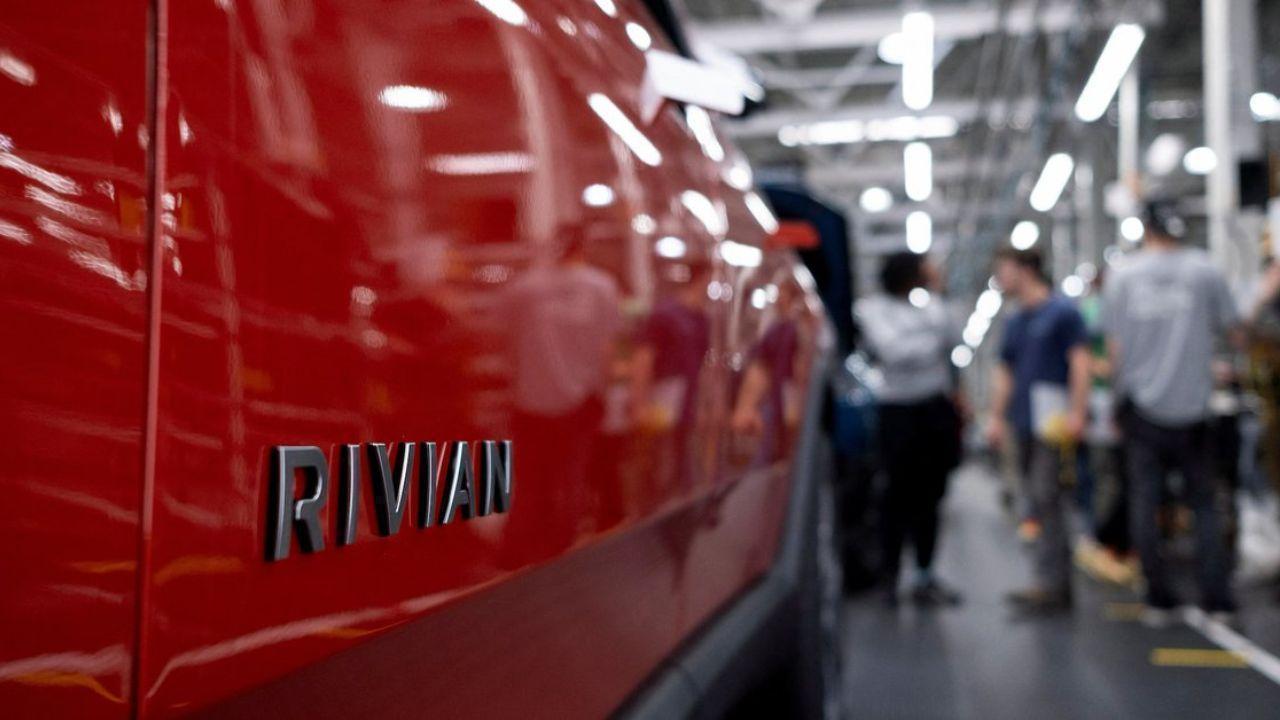
Rivian recall raises safety concerns
Electric vehicle maker Rivian has announced the recall of more than 24,000 vehicles in the United States due to a software defect in its highway assist system. The decision marks one of the company’s most significant recalls to date, highlighting the challenges facing new entrants in the electric vehicle market as they balance innovation with safety. The recall comes at a time when Rivian is positioning itself as a long-term player in the EV industry, but the incident risks denting consumer trust at a critical moment for the brand.
The highway assist defect
The defect centers around Rivian’s advanced driver-assistance feature, known as highway assist. This system is designed to help drivers maintain their lane, adjust speed, and keep a safe distance from other vehicles when driving on highways. However, internal testing and external reports flagged irregularities that could cause the system to misinterpret road conditions under certain circumstances. The malfunction could potentially result in the vehicle failing to apply braking or steering corrections in time, increasing the risk of accidents. Rivian emphasized that no major incidents or injuries have been linked to the flaw, but the company chose to act preemptively.
Scope of the recall
The recall affects more than 24,000 vehicles across Rivian’s flagship models, including the R1T pickup, the R1S SUV, and its electric delivery vans. Most of the affected vehicles were sold in the US market, which remains Rivian’s largest customer base. Owners have been notified and advised to schedule updates at Rivian service centers or through the company’s mobile service network. Unlike traditional mechanical recalls, this issue can be resolved primarily through a software update, reducing the logistical complexity for both the company and its customers.
Software update as a solution
Rivian plans to deliver the fix through an over-the-air software update, a method increasingly common in the EV industry. This approach minimizes downtime for customers, as the vehicles can be updated without a physical visit to a dealership. However, Rivian still encourages customers to bring their vehicles in for a safety check to ensure that the update has been successfully applied. The company believes the fix will fully resolve the problem and restore consumer confidence in the highway assist system.
Balancing innovation and safety
The recall underscores the growing tension between rapid technological innovation and ensuring driver safety. Rivian has built its reputation as a pioneer in electric trucks and SUVs, entering a segment long dominated by traditional automakers. But with that reputation comes pressure to deliver advanced features that compete with rivals such as Tesla, Ford, and General Motors. Advanced driver-assistance systems are now a key selling point for EV buyers, yet they also pose unique challenges. Unlike mechanical parts, software flaws are less visible to consumers, making it difficult to detect potential problems until the systems are widely deployed.
Impact on Rivian’s brand image
Rivian has worked hard to establish itself as a trustworthy and premium EV brand. Its vehicles are marketed not just as electric alternatives, but as adventure-ready trucks and SUVs capable of long-range driving. A recall of this scale could shake consumer trust, particularly among early adopters who have placed their faith in the company. Industry analysts note that how Rivian manages the recall process will be crucial. Transparent communication, swift resolutions, and assurances of safety will play a key role in determining whether this incident becomes a temporary setback or a lingering reputational challenge.
Consumer response to recalls
While recalls often attract negative headlines, consumer response can vary. Many buyers recognize that recalls are part of modern vehicle ownership, especially as cars become more technologically complex. Rivian’s decision to issue a voluntary recall before serious incidents occurred may work in its favor, signaling that the company prioritizes safety over short-term convenience. The ability to resolve the problem with software rather than expensive hardware replacements may also limit frustration for customers. However, for a young company still building its base, even minor dissatisfaction can have outsized consequences.
Industry-wide scrutiny of driver-assist systems
The Rivian recall is not an isolated incident but part of a broader industry trend. Driver-assist systems, including Tesla’s Autopilot, GM’s Super Cruise, and Ford’s BlueCruise, have faced scrutiny in recent years over safety concerns. Regulators are increasingly demanding proof that these technologies function as advertised. The recall adds Rivian’s name to the list of companies navigating the fine line between innovation and safety. As automakers continue to push the limits of automation, recalls like this may become more common, especially in the early years of adoption.
Regulatory and market implications
Regulators will likely pay close attention to how Rivian addresses this defect, particularly given the growing political focus on EV safety. Agencies are expected to push for stricter testing and certification of driver-assistance features. At the same time, investors are watching closely, as product recalls can impact a company’s market performance and customer acquisition. Rivian’s stock has been sensitive to both production challenges and demand fluctuations, and this recall could add another layer of uncertainty. However, the relatively simple fix through a software update may limit long-term damage.
Looking ahead for Rivian
Rivian faces the challenge of ensuring that this recall does not derail its momentum. The company is expanding production capacity, delivering vehicles to Amazon under its delivery van partnership, and preparing new models for release. Maintaining consumer trust is vital to sustaining this growth trajectory. By acting quickly and demonstrating accountability, Rivian has an opportunity to reinforce its image as a responsible automaker. The coming months will reveal whether customers continue to embrace the brand or become hesitant in light of safety concerns.
The bigger picture in EV adoption
Beyond Rivian itself, the recall highlights a broader issue within the electric vehicle sector: the reliance on software-driven innovation. As vehicles evolve into computers on wheels, software becomes both a strength and a vulnerability. Over-the-air updates promise convenience but also expose drivers to new forms of risk. For consumers, the expectation of safety remains paramount, no matter how advanced the technology. Automakers must therefore invest heavily in software testing and security to ensure that recalls do not become the norm.
A pivotal test for Rivian
The recall of over 24,000 vehicles due to a software defect in the highway assist system represents a pivotal test for Rivian. While the problem itself is manageable through an over-the-air update, the implications for customer confidence, brand reputation, and industry perception are far-reaching. Rivian’s response will determine whether this moment is remembered as a stumble or as proof of the company’s commitment to safety and responsibility. In a competitive EV market where trust is everything, this recall may ultimately serve as a defining chapter in Rivian’s growth story.
Rivian recall, Software defect, Highway assist




Advances in Aerospace Technology and Commercial Aviation Recovery
Insights into breakthrough aerospace technologies and commercial aviation’s recovery amid 2025 chall

Defense Modernization and Strategic Spending Trends
Explore key trends in global defense modernization and strategic military spending shaping 2025 secu

Tens of Thousands Protest in Serbia on Anniversary of Deadly Roof Collapse
Tens of thousands in Novi Sad mark a year since a deadly station roof collapse that killed 16, prote

Canada PM Carney Apologizes to Trump Over Controversial Reagan Anti-Tariff Ad
Canadian PM Mark Carney apologized to President Trump over an Ontario anti-tariff ad quoting Reagan,

The ad that stirred a hornets nest, and made Canadian PM Carney say sorry to Trump
Canadian PM Mark Carney apologizes to US President Trump after a tariff-related ad causes diplomatic

Bengaluru-Mumbai Superfast Train Approved After 30-Year Wait
Railways approves new superfast train connecting Bengaluru and Mumbai, ending a 30-year demand, easi



