Post by : Saif
The Philippines has said it is seeing early signs that China may be ready to improve cooperation, even while serious disputes remain in the South China Sea. A senior Philippine diplomat stated that relations between the two countries should not be judged only by their territorial conflicts, and that there may be room for practical cooperation in other areas.
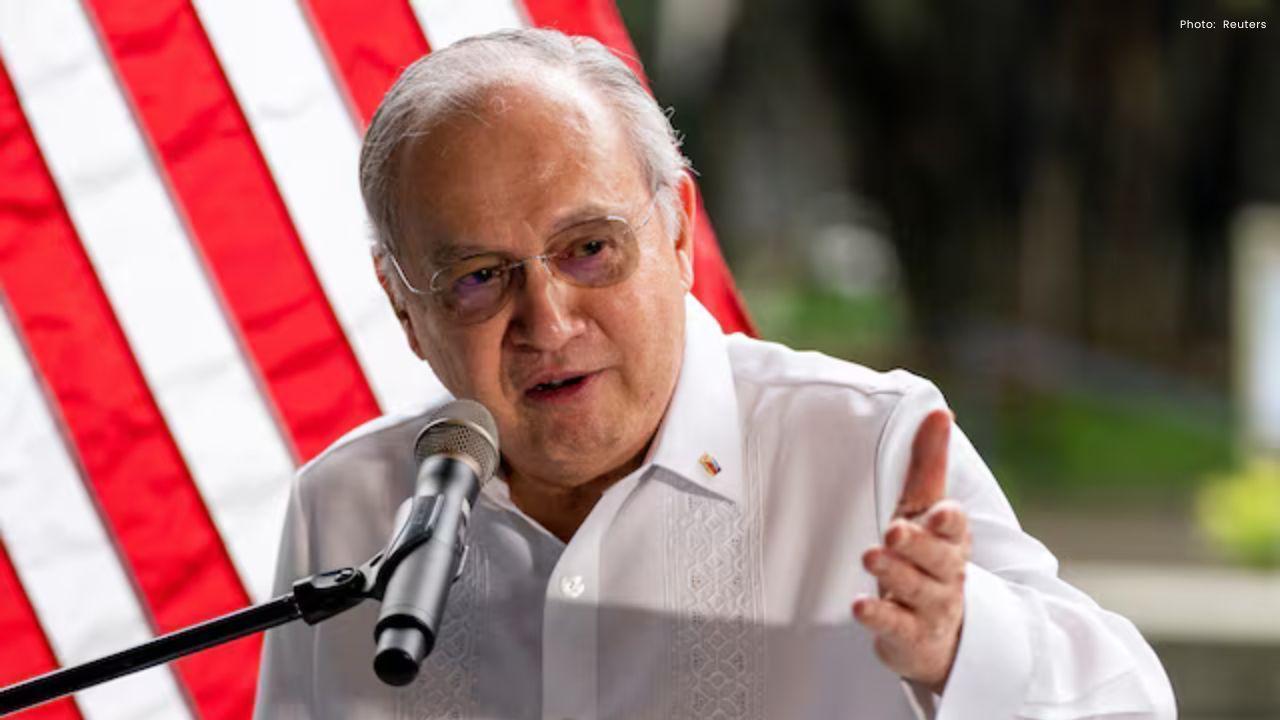
The comment came from the Philippine ambassador to the United States, who explained that recent talks and signals suggest Beijing may be willing to keep disagreements at sea separate from other parts of the relationship. This approach, if it continues, could help reduce tension and allow both sides to work together where their interests match.
The South China Sea has been a long-running source of conflict between China and several Southeast Asian countries, including the Philippines. The waters are important because they are rich in fish, may contain oil and gas, and are a major shipping route for global trade. Many nations claim parts of the same sea areas, which has led to repeated standoffs and diplomatic protests.
In recent years, relations between Manila and Beijing have gone through ups and downs. There have been reports of ship encounters, coast guard clashes, and strong public statements from both sides. These events have raised worries about safety, national sovereignty, and regional peace. Because of this, any sign of calmer dialogue is being watched closely by experts and neighboring countries.
Philippine officials now suggest that China may be open to managing the dispute without letting it damage all other ties. That means both sides could continue talks on trade, investment, tourism, and other shared interests, even if they do not agree on maritime borders. This is sometimes called a “compartment” approach in diplomacy — where one conflict is handled separately so it does not block every other area of cooperation.
From an editorial point of view, this is a practical idea. Countries often disagree on borders or security issues, but still trade and work together in other sectors. Total breakdown in relations rarely helps ordinary citizens. Fishermen, traders, students, and travelers are often the first to suffer when diplomacy fails.
China is one of the Philippines’ largest trading partners. Business links, infrastructure projects, and supply chains connect the two economies. Cutting all ties would be costly and disruptive. At the same time, the Philippines also has strong security and defense ties with the United States and other partners in the region. That means Manila must carefully balance its foreign policy choices.
Balancing big powers is not easy. If the Philippines moves too close to one side, the other may react. Good diplomacy requires steady communication, clear rules, and crisis control systems. Even small misunderstandings at sea can grow into bigger problems if there are no working hotlines or meeting channels between officials.
Another key point is public trust. In the Philippines, public opinion about the South China Sea is strong. Many citizens want firm protection of national rights. Leaders must show that cooperation does not mean surrender. Any deal or dialogue with China will likely be judged by how well it protects fishermen, coast guard crews, and national territory.
Regional stability also depends on how disputes are handled. Southeast Asia has worked for years on codes of conduct and negotiation frameworks to prevent conflict in disputed waters. Progress has been slow, but continued dialogue is still better than silence. Even small agreements on behavior at sea can lower risk.
The ambassador’s statement suggests that diplomatic doors are not closed. It signals that Manila is willing to test whether Beijing is ready for a more stable and respectful working relationship. Words alone are not enough, but they can be a starting point.
The true test will be actions. Fewer confrontations at sea, more working-level meetings, and steady communication would show real change. If both sides can reduce tension while keeping talks alive, it would benefit not just the two countries, but the wider region.
In international politics, progress is often slow and uneven. But careful cooperation, even between rivals, is often better than constant conflict. The coming months will show whether these early signs turn into lasting improvement.
#trending #latest #Philippines #China #SouthChinaSea #AsiaPacific #Diplomacy #Geopolitics #RegionalSecurity #ForeignPolicy #InternationalRelations #armustnews






Advances in Aerospace Technology and Commercial Aviation Recovery
Insights into breakthrough aerospace technologies and commercial aviation’s recovery amid 2025 chall

Defense Modernization and Strategic Spending Trends
Explore key trends in global defense modernization and strategic military spending shaping 2025 secu

Tens of Thousands Protest in Serbia on Anniversary of Deadly Roof Collapse
Tens of thousands in Novi Sad mark a year since a deadly station roof collapse that killed 16, prote

Canada PM Carney Apologizes to Trump Over Controversial Reagan Anti-Tariff Ad
Canadian PM Mark Carney apologized to President Trump over an Ontario anti-tariff ad quoting Reagan,

The ad that stirred a hornets nest, and made Canadian PM Carney say sorry to Trump
Canadian PM Mark Carney apologizes to US President Trump after a tariff-related ad causes diplomatic

Bengaluru-Mumbai Superfast Train Approved After 30-Year Wait
Railways approves new superfast train connecting Bengaluru and Mumbai, ending a 30-year demand, easi



