Post by : Saif
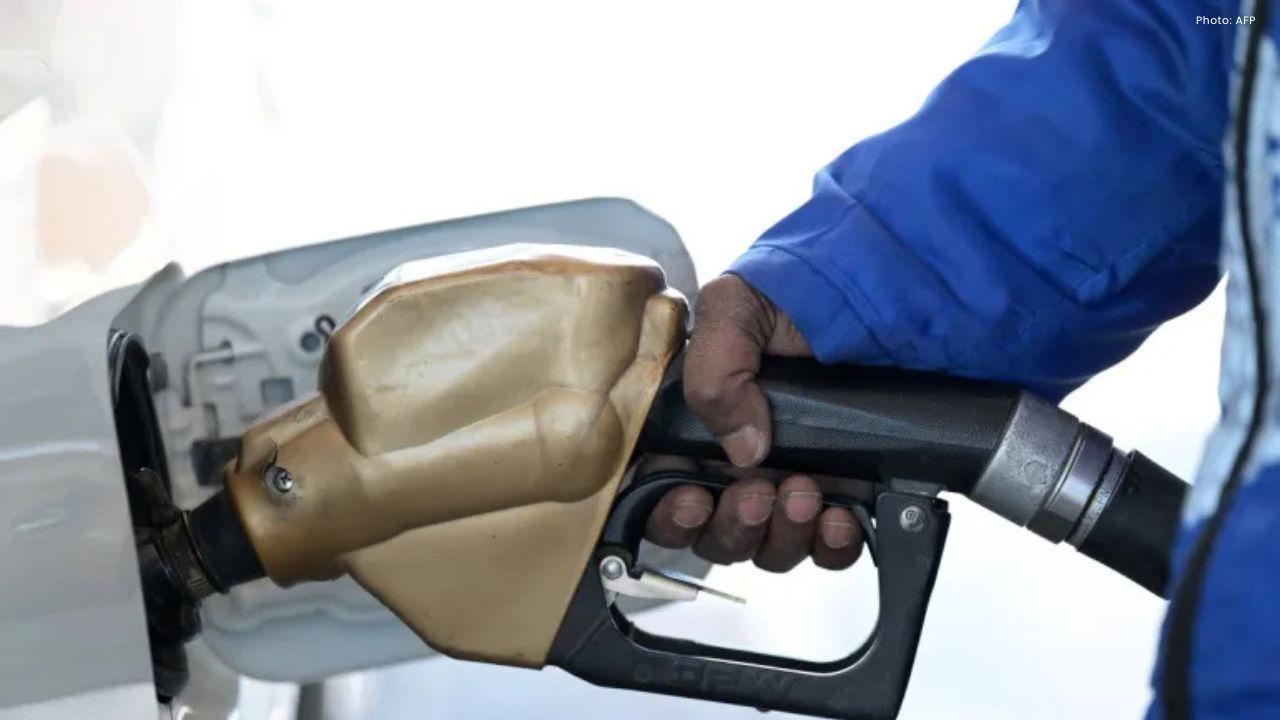
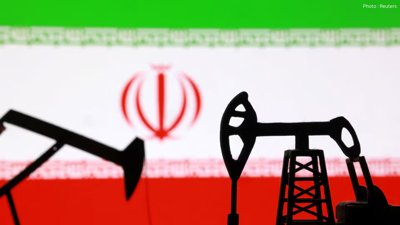
Global oil prices have been moving up and down sharply as uncertainty grows around the ongoing war involving Iran and its wider impact on the Middle East. Traders, governments, and businesses across the world are trying to understand what the conflict might mean for energy supplies and the global economy.
Energy markets have reacted strongly to every new development in the conflict. Oil prices jumped sharply when the fighting intensified but later dropped again when political signals suggested that the situation might not escalate further. This pattern of sudden rises and falls shows how sensitive the global oil market is to geopolitical tensions.
In recent trading sessions, crude oil prices climbed close to $120 per barrel as fears spread that the conflict could disrupt major oil supplies from the Middle East. Soon after, prices fell again toward the $80–$90 range when new statements from political leaders suggested that the situation might stabilize.
These rapid changes have created one of the most volatile periods for oil markets in recent years.
The conflict has raised serious concerns about the safety of oil shipments in the Persian Gulf, especially around the Strait of Hormuz. This narrow waterway is one of the most important routes for global energy transport. About 20 percent of the world’s oil and natural gas normally passes through this route each day.
Any disruption in this area can quickly affect global energy prices.
Shipping activity in the region has already slowed significantly because of security risks. Many oil tankers and shipping companies have become cautious about using the route, and some ships have delayed or suspended their journeys. When fewer ships move through the region, the supply of oil reaching global markets becomes uncertain.
This uncertainty has made investors nervous.
When traders fear that oil supply might be interrupted, prices usually rise quickly because buyers try to secure fuel before shortages occur. However, when new information suggests that supply routes remain open or that governments may release emergency oil reserves, prices can fall again just as quickly.
This push and pull between fear and reassurance is the main reason behind the dramatic price swings seen in recent days.
The war itself has already had a clear impact on global energy markets. Since the conflict began, oil prices have climbed significantly as traders added a “risk premium” to account for possible disruptions in supply.
The energy sector is closely linked to global economic stability, which means these price changes affect far more than just the oil industry.
When oil prices rise, transportation costs increase because fuel becomes more expensive. Airlines, shipping companies, trucking firms, and manufacturers all face higher operating costs. These extra costs often lead to higher prices for goods and services.
As a result, consumers around the world may eventually pay more for everyday items such as food, travel, and electricity.
Financial markets have also reacted to the uncertainty. Stock markets have shown signs of instability as investors worry about rising inflation and the possible impact of higher energy prices on economic growth.
Economists warn that a long conflict in the Middle East could push inflation higher across many countries. Higher energy prices tend to increase production costs for businesses and reduce spending power for households.
Countries that depend heavily on imported oil may feel the pressure more strongly. Major Asian economies such as India, China, Japan, and South Korea rely on large volumes of energy imports from the Gulf region. Any disruption in supplies from the Middle East could therefore create economic challenges for these countries.
At the same time, oil-exporting nations could see temporary financial benefits if prices remain high.
However, the situation remains extremely uncertain.
Political statements from leaders involved in the conflict have often sent mixed signals to the markets. At times officials have suggested that military operations could expand, while at other moments they have hinted at diplomatic solutions or limited objectives.
Each new statement changes market expectations about how long the conflict might last and how much oil production could be affected.
Experts say this uncertainty is likely to continue until there is a clearer direction for the conflict.
Another factor affecting the oil market is the possibility that major oil-producing countries or international groups may increase production to stabilize prices. Organizations such as OPEC+ can adjust oil output in order to reduce supply shortages and calm market fears.
Governments may also decide to release oil from strategic reserves if prices rise too sharply.
These measures can help reduce panic in energy markets, but they may not fully eliminate the uncertainty caused by war.
Energy analysts say the current situation shows how deeply global markets depend on stability in the Middle East. Even rumors about threats to shipping routes or oil facilities can send shockwaves through financial markets.
Recent attacks on energy infrastructure and warnings about the safety of shipping routes have further increased concerns about supply disruptions.
Because oil is one of the most important commodities in the world, changes in its price can influence nearly every part of the global economy.
For governments, businesses, and consumers, the coming weeks may be crucial. If the conflict spreads or continues for a long time, oil prices could remain high or become even more unstable.
On the other hand, if diplomatic efforts succeed or tensions ease, the market may calm and prices could stabilize again.
For now, the energy market remains on edge, reacting to every development in the Iran conflict. The dramatic swings in oil prices serve as a clear reminder that geopolitical tensions can have immediate and powerful effects on the global economy.
#trending #latest #OilPrices #IranWar #GlobalEnergy #EnergyMarkets #MiddleEastCrisis #GlobalEconomy #OilMarket #EnergySecurity #Geopolitics #armustnews



Advances in Aerospace Technology and Commercial Aviation Recovery
Insights into breakthrough aerospace technologies and commercial aviation’s recovery amid 2025 chall

Defense Modernization and Strategic Spending Trends
Explore key trends in global defense modernization and strategic military spending shaping 2025 secu

Tens of Thousands Protest in Serbia on Anniversary of Deadly Roof Collapse
Tens of thousands in Novi Sad mark a year since a deadly station roof collapse that killed 16, prote

Canada PM Carney Apologizes to Trump Over Controversial Reagan Anti-Tariff Ad
Canadian PM Mark Carney apologized to President Trump over an Ontario anti-tariff ad quoting Reagan,

The ad that stirred a hornets nest, and made Canadian PM Carney say sorry to Trump
Canadian PM Mark Carney apologizes to US President Trump after a tariff-related ad causes diplomatic

Bengaluru-Mumbai Superfast Train Approved After 30-Year Wait
Railways approves new superfast train connecting Bengaluru and Mumbai, ending a 30-year demand, easi



